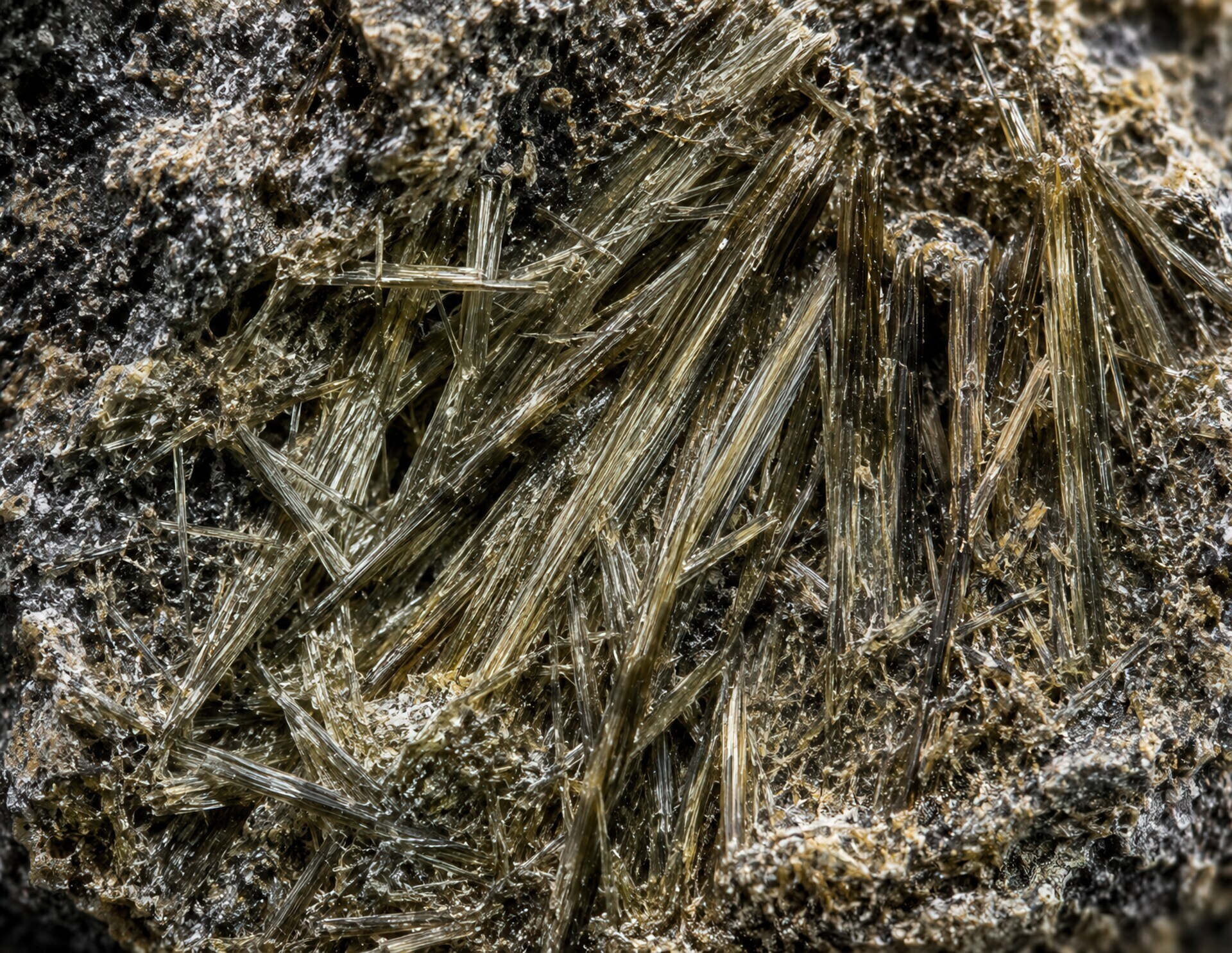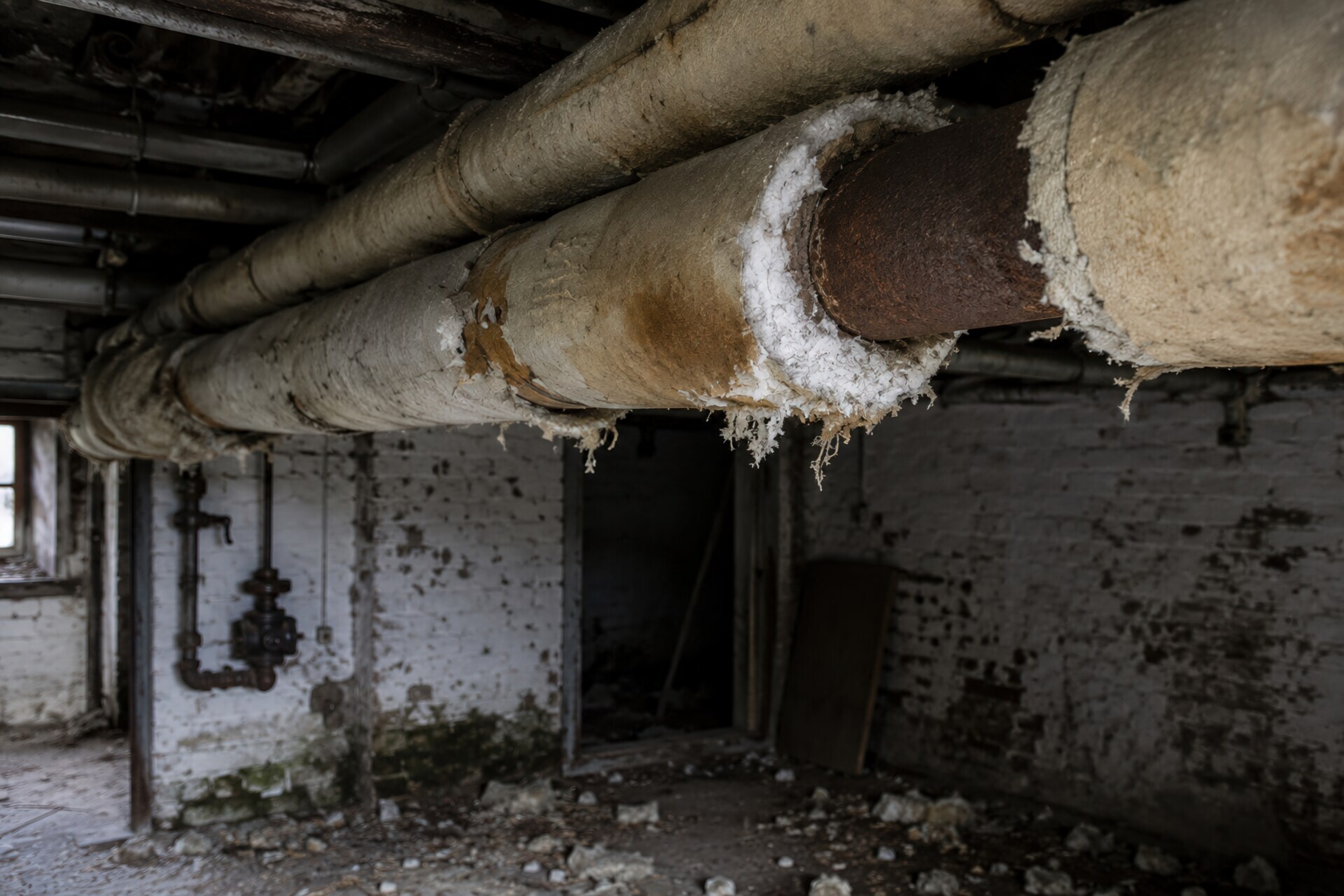


Demolition and strip-out projects in Dudley can disturb asbestos products hidden throughout older buildings. Insulation board, sprayed coatings, pipe lagging, cement sheets, floor tiles, fire protection and service components may all be present in properties built or altered before the UK ban.
These materials cannot be identified reliably by appearance. Comprehensive asbestos testing before work starts gives clients, designers and contractors the information needed to plan removal and prevent uncontrolled disturbance.
Define the demolition boundary
Document every structure and area included in the project, from main rooms and roof spaces to plant rooms, basements, ducts and outbuildings. Include temporary works and service disconnections. Partial demolition needs clear boundaries so adjoining retained areas are not overlooked.
For useful context on the range of products involved, read the history of asbestos use before agreeing the survey scope.
Arrange an intrusive survey
A routine management survey is not sufficient for demolition or extensive strip-out. The survey must inspect all affected building fabric as far as reasonably practicable, including concealed voids that will be exposed when the structure is dismantled.
Representative samples should be taken by a competent person using controlled methods and analysed by a suitable laboratory. The final report should identify locations, quantities where possible, material condition and recommended actions. Demolition should not start while relevant results remain outstanding.
Sequence asbestos removal correctly
Asbestos-containing materials affected by demolition should normally be removed under appropriate controls before structural work begins. The sequence must consider access, stability and other hazards so asbestos work does not create unsafe conditions elsewhere on site.
Unplanned removal by a general demolition crew can spread contamination across rubble, machinery and vehicles. This guide to the risks of uncontrolled asbestos removal explains why apparently small shortcuts can create a much wider problem.
Check the contractor’s work plan
A competent contractor should provide a written plan covering exclusion zones, containment, removal techniques, cleaning, decontamination and hazardous-waste transport. It should explain whether licensing, formal notification, air monitoring or independent clearance applies.
Personal protective equipment must be appropriate for the specific work and correctly used, but it does not replace source controls. Learn how PPE supports asbestos removal alongside containment and safe handling.
Coordinate the wider demolition site
Separate asbestos removal from general strip-out and demolition activities. Control access for plant operators, waste carriers and other trades. Review the survey immediately if hidden spaces or unexpected materials are uncovered during enabling work.
Agree how removed materials will be packaged, labelled, stored temporarily and transported. General construction skips must not be used for asbestos waste, and site documentation should make the waste route clear.
Close out the asbestos scope
Retain the survey, laboratory certificates, contractor plan, waste consignment notes and any air-testing or clearance documents. Provide relevant records to the principal contractor before the next demolition phase is released.
If suspect material is damaged unexpectedly, stop work, isolate the area and avoid sweeping or using an ordinary vacuum cleaner. Do not move contaminated machinery or clothing through clean zones. Obtain competent advice before clean-up or restart.