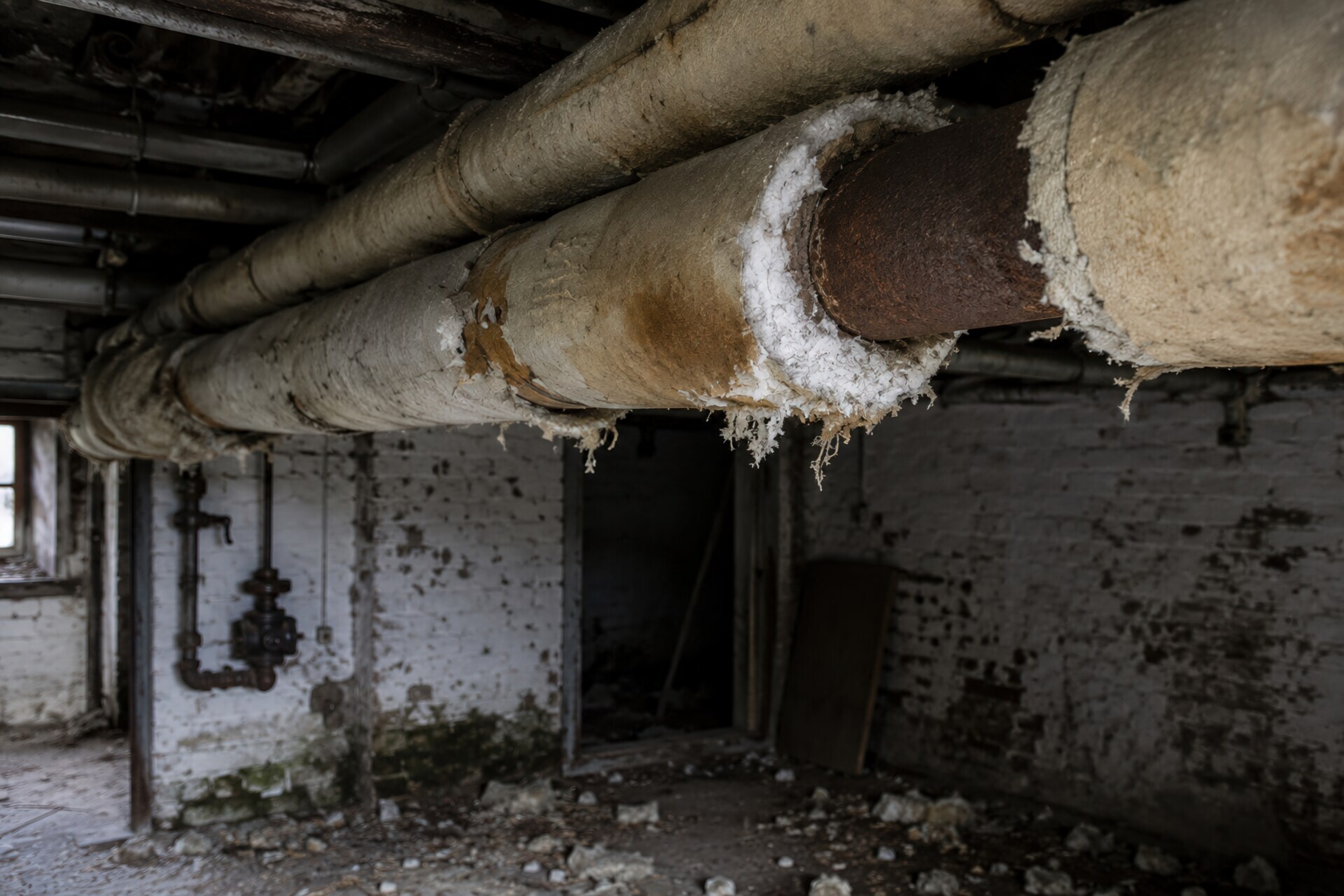


Renovating a house, garage, shop or outbuilding in Frankley often starts with an exciting plan: new insulation, a reconfigured room, updated electrics or a more efficient heating system. In an older property, however, the safest first step is to understand what may be hidden in the building materials. Asbestos was used widely in homes and commercial premises for its strength and fire resistance, and it can still be present in sheets, soffits, textured coatings, floor products, pipe lagging and older insulation.
Asbestos is not automatically dangerous simply because it exists. The risk increases when a material is damaged, drilled, cut, sanded or removed without proper controls. That is why a sensible project in Frankley should separate investigation from removal. Testing helps establish what a suspect material is, while a planned removal process deals with confirmed asbestos safely and leaves a clear record for the next stage of work.
Why testing should come before renovation
A visual inspection alone cannot reliably identify asbestos. Materials that look like ordinary cement board, adhesive, plaster or insulation may contain asbestos, while similar-looking modern products may not. A competent asbestos surveyor can assess the age and construction of the property, identify materials that could be disturbed by the proposed work and take representative samples where appropriate.
For a straightforward refurbishment, a refurbishment survey may be needed in the areas that will be opened or altered. A management survey is different: it is intended to locate asbestos-containing materials that could be disturbed during normal occupation and maintenance. Discussing the scope with a qualified professional matters because a survey that is too narrow may miss a ceiling void, service riser, garage panel or communal area that later becomes part of the job.
Testing should also be planned around the work sequence. If a wall is due to be chased for cables, the route should be assessed before the electrician starts. If a roof or outbuilding is being dismantled, the sheets, fixings and surrounding debris need consideration before access equipment arrives. This approach reduces delays and gives contractors reliable information rather than forcing them to make assumptions on site.
Common places asbestos may be found in Frankley properties
Many buildings in and around Frankley have been altered over several decades, so asbestos may occur in original construction or in later additions. Common examples include corrugated cement garage or shed roofing, soffit and fascia boards, water tanks, flue components, older vinyl floor tiles, bitumen-based adhesives and textured decorative coatings. It can also appear in insulation boards around fireplaces, boilers, electrical equipment and service cupboards.
External materials can be overlooked because they are exposed to weather rather than indoor activity. A roof sheet that appears stable may still release fibres if it is broken, pressure-washed or cut for a new rooflight. Indoors, lifting floor tiles or scraping a textured coating can create dust even when the material looks intact. The right response is to pause and arrange appropriate advice, not to test a suspected material by breaking off a piece yourself.
Landlords, homeowners and small business operators should keep survey results, laboratory reports and photographs together with the property records. Good documentation helps future trades understand which areas were assessed, which materials were left in place and what controls are required if the building changes again.
How a controlled removal plan should work
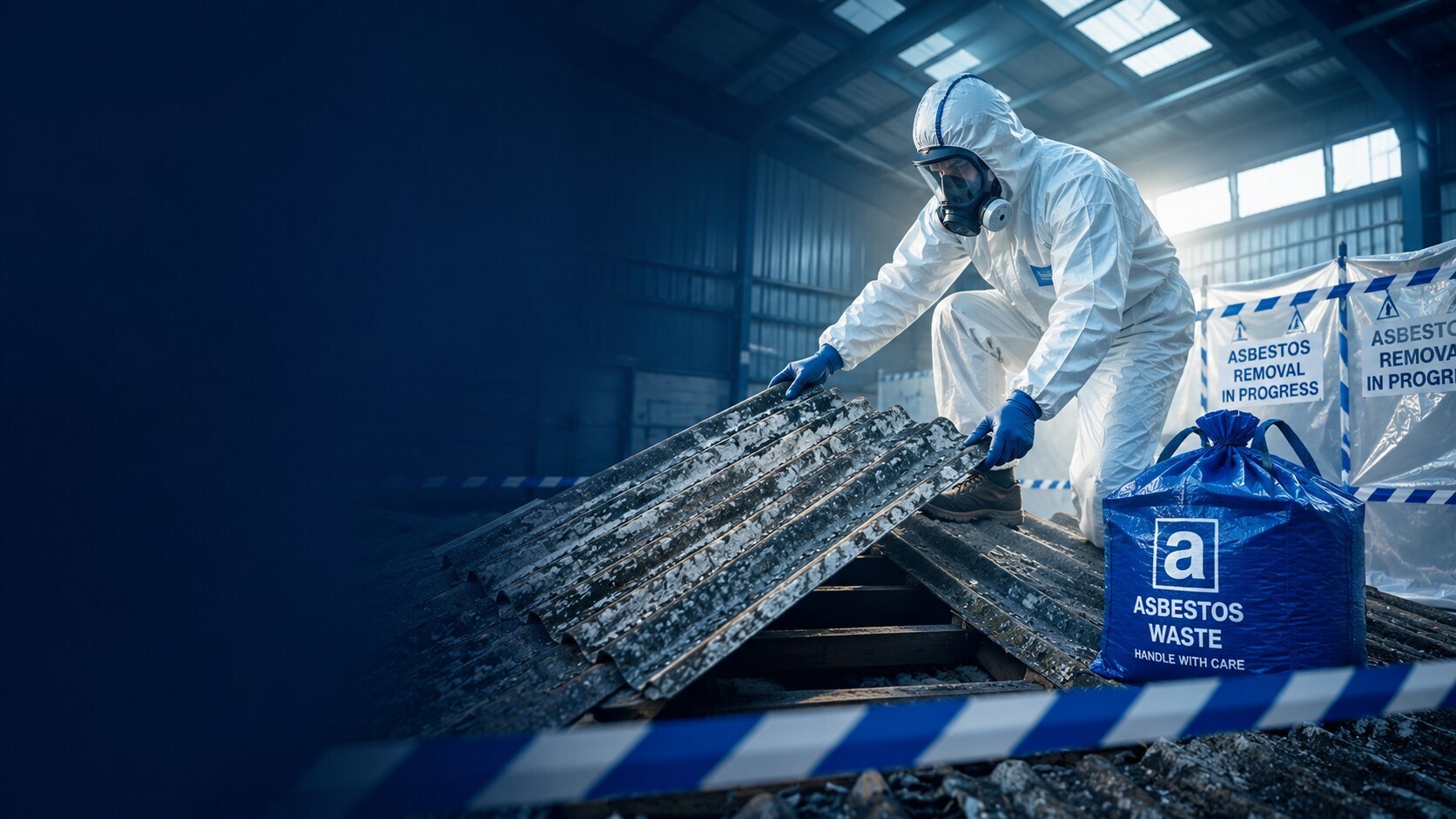
Where testing confirms asbestos and the planned work could disturb it, removal should be arranged with a suitably competent contractor. The method will depend on the material, its condition, the quantity involved and the location. Some lower-risk work may be carried out under controlled non-licensed arrangements, while higher-risk materials or activities require a licensed contractor and additional notification or planning.
A professional plan should explain how the area will be isolated, how access will be controlled, what protective equipment and decontamination arrangements will be used, and how waste will be packaged and transported. It should also identify how accidental damage or an unexpected material will be handled. Neighbours, tenants and other trades need clear instructions so that nobody enters the work area or starts another activity at the wrong time.
After removal, the area should be checked and cleaned using appropriate methods. Depending on the type of work, reassurance air testing or a formal clearance process may be appropriate before the space returns to normal use. Waste should go through the correct hazardous-waste route, with documentation retained. These records are useful evidence that the job was completed responsibly and can help avoid confusion during a later sale or refurbishment.
Practical questions to ask before work starts
Ask who will carry out the survey, whether the laboratory is appropriately accredited, and exactly which rooms, elevations, roof spaces or outbuildings are included. Confirm whether the report is suitable for the proposed work rather than accepting a generic document. If the project involves a shared building, check whether responsibilities extend to communal corridors, risers or service areas.
It is also sensible to ask for a written scope of removal, waste arrangements, expected timescales and the evidence that will be supplied at completion. A low quotation that omits enclosure, cleaning, disposal or clearance requirements may not represent the true cost of safe work. Planning these details before trades are booked helps keep the renovation moving and protects everyone who may use the property.
For further local reading, see our guidance on asbestos removal and testing in Rubery, our advice for safer property improvements in Bickenhill, and the checklist for older-home refurbishment in Four Oaks.
Making the next step safer
The most useful decision is often the simplest one: stop before disturbance, identify the material and plan the work around verified information. Asbestos testing can prevent unnecessary removal where a material is safe to leave alone, while properly managed asbestos removal can reduce risk when renovation makes disturbance unavoidable. In Frankley, a measured process gives homeowners, landlords and contractors a clearer route from initial concern to a clean, documented and safer project.