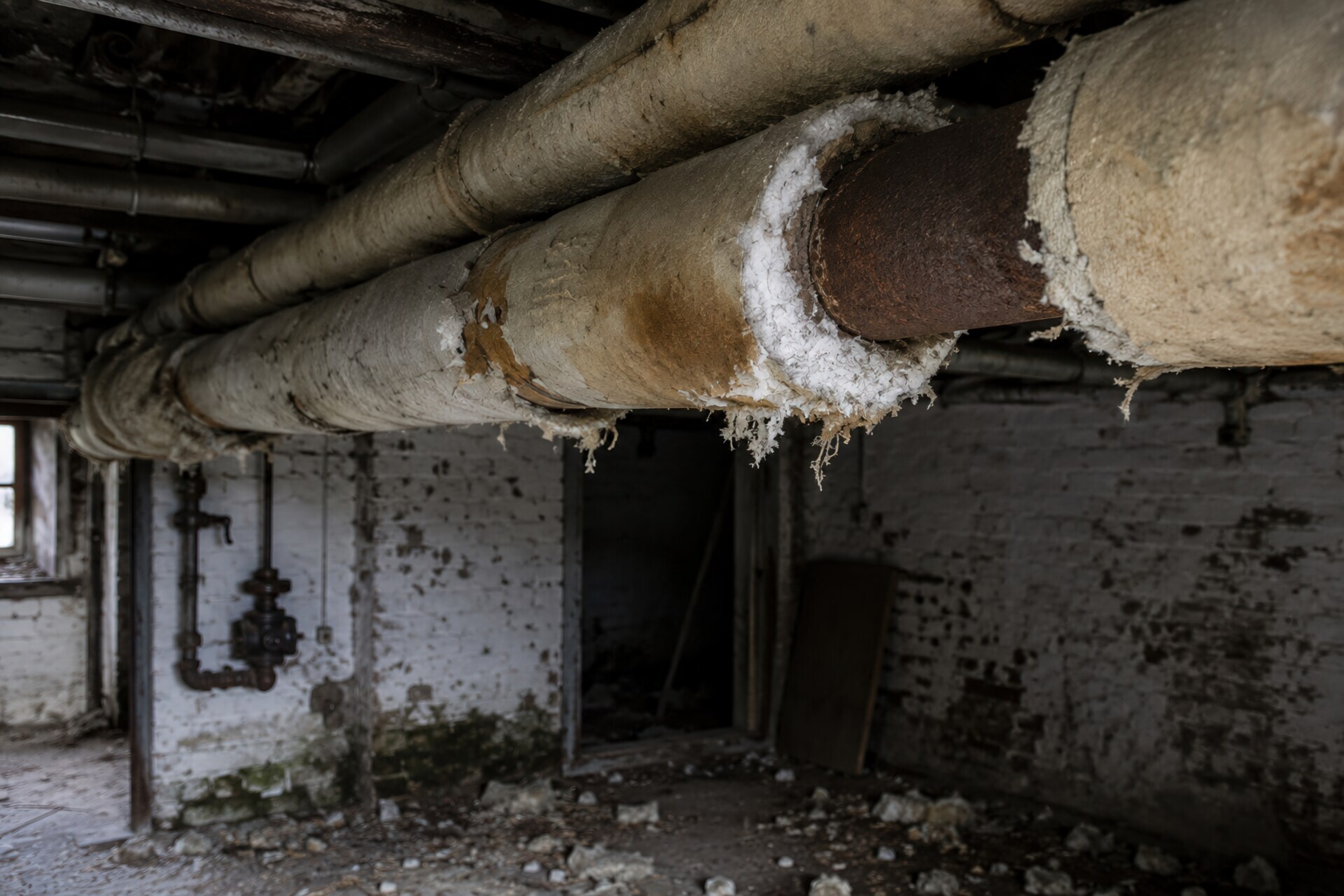


Planning work on an older property in Kingstanding often begins with a simple question: could asbestos be present? Homes, shops, garages, schools and small commercial buildings constructed or refurbished before the year 2000 may contain asbestos-containing materials in places that are easy to overlook. These can include textured coatings, insulation boards, cement roofing, soffits, panels, floor tiles, adhesives and older service ducts. The material is not automatically dangerous when it is intact and left undisturbed, but drilling, cutting, sanding or demolition can release hazardous fibres.
A sensible project therefore starts with information rather than guesswork. Asbestos testing before property improvements can help identify materials that need to be avoided, managed or removed. When asbestos is confirmed, a planned removal process protects occupants, tradespeople and neighbours while also helping the wider refurbishment stay organised.
Why asbestos testing should come before work
Visual inspection alone cannot reliably confirm whether a suspect material contains asbestos. Some modern and older products look very similar, while the same type of building material may have been manufactured in several different formulations over the years. Sampling should be carried out by a competent professional using suitable precautions, with the sample sent to an appropriately equipped laboratory for analysis.
For a Kingstanding home, the survey or testing brief should match the proposed work. Replacing a bathroom, opening a ceiling, removing a partition wall or upgrading an electrical installation may each expose different materials. A refurbishment survey is generally more relevant when the project will disturb the fabric of a building, whereas a management approach may be suitable for materials that will remain in place and be monitored. Clear records should identify the material, its location, its condition and what action is recommended.
Testing is also valuable when buying or leasing an older property. A result that identifies asbestos does not necessarily mean the transaction should stop. Instead, it gives the owner or occupier a chance to budget for specialist work, schedule it before other trades arrive and make sure the correct information is passed to everyone involved. Treating an uncertain material as potentially hazardous until it has been assessed is a more responsible approach than relying on appearance or old paperwork.
What a controlled asbestos removal plan involves
Where removal is needed, the contractor should explain the scope in plain language before work begins. The plan should set out the areas affected, the type and condition of the material, the controls that will be used, the sequence of work and how waste will be packaged and transported. Depending on the material and the task, controls may include isolation of the work area, protective equipment, controlled wetting, specialist tools, air management and careful decontamination.
Residents and building users should know when access is restricted and how the work area will be separated from occupied rooms. In a terraced street or a property close to neighbouring homes, the plan should also consider shared access, outbuildings, boundary walls and the possibility of dust travelling beyond the immediate work zone. A reputable contractor will be willing to discuss these practical details rather than treating removal as an ordinary strip-out job.
Not every asbestos task is identical. Bonded cement sheets, damaged insulation board and sprayed or loose-fill materials present different challenges, and the required controls will depend on the product, its condition and the way it is fixed. Planning asbestos removal during renovation work helps property owners understand why sequencing and containment matter just as much as the physical removal itself.
Choosing a contractor and managing the wider project
Before appointing a contractor, ask for evidence of relevant experience, appropriate insurance and a clear written quotation. The quotation should explain what is included, such as preparation, removal, cleaning, waste transfer and completion documentation. It is wise to clarify whether additional charges could arise if concealed materials are discovered, and what procedure will be followed if the work has to stop.
Coordinate asbestos work before plumbers, electricians, roofers, decorators or demolition teams enter the area. Other trades should not disturb suspect materials or remove barriers simply to keep a schedule moving. If the property will remain occupied, plan temporary arrangements for children, pets, visitors and vulnerable people. Keep windows, doors and ventilation routes in mind, and do not move stored items from a controlled area without professional advice.
Once the work is complete, retain the survey or test report, waste documentation and any completion or clearance information supplied for the project. These records can be useful for future maintenance, sale enquiries and later refurbishment. They also help prevent the same material being sampled or disturbed unnecessarily a second time. A safer renovation plan is easier to maintain when decisions and documents are kept together.
Practical next steps for Kingstanding property owners
If you are considering work in Kingstanding, make a list of the areas that will be opened, removed or repaired. Note the age of the building, any previous alterations and any materials that look damaged, patched or unusual. Do not drill, scrape or break a suspect surface to investigate it yourself. Arrange appropriate asbestos testing, wait for the result, and then obtain a method statement and quotation if removal or repair is required.
Good preparation keeps asbestos risk from becoming an unexpected interruption. It allows the correct specialists to work in the right order, gives occupants clear information and makes the rest of the building project more predictable. Most importantly, it replaces uncertainty with an evidence-based plan tailored to the actual property.