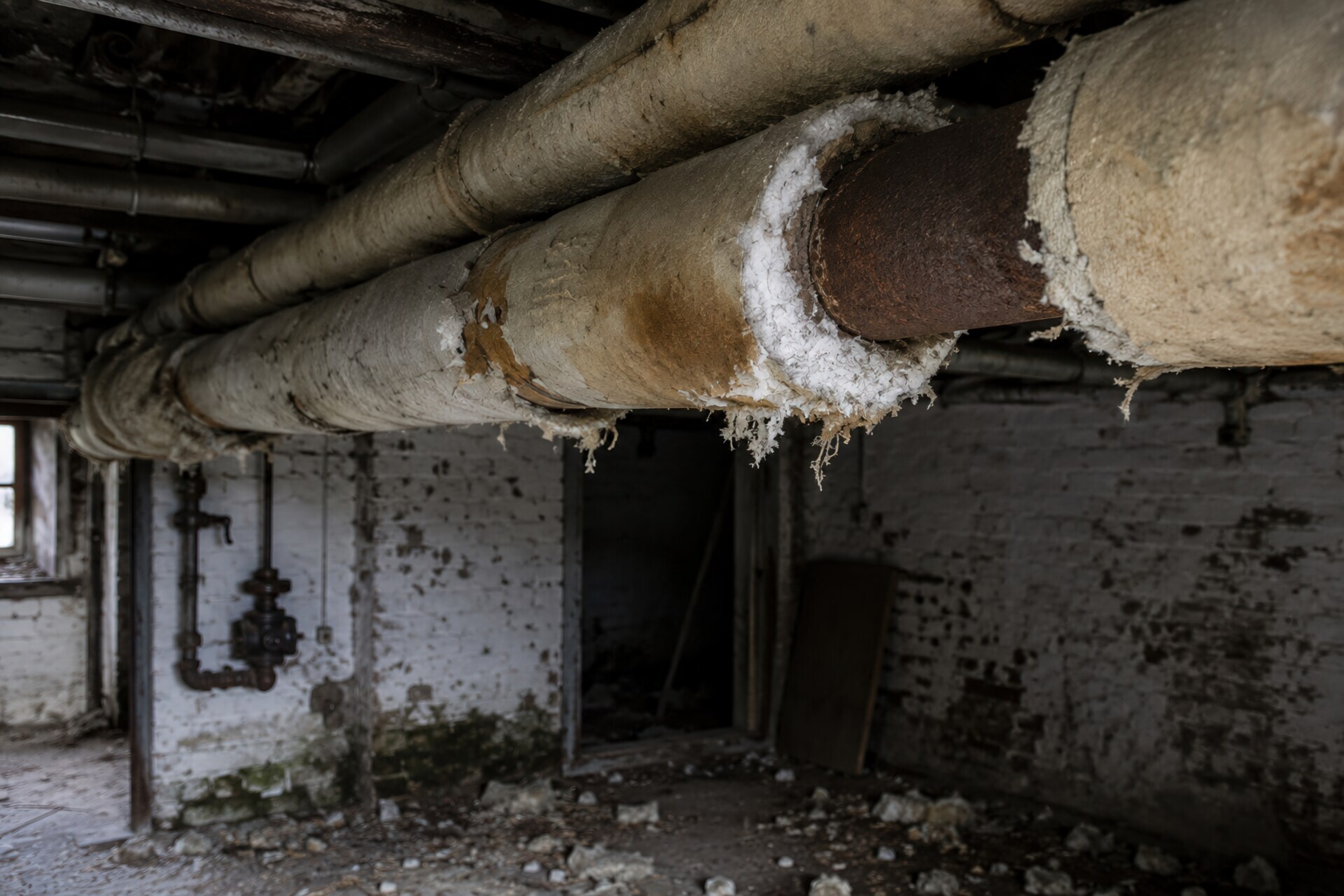


Older homes, shops, industrial units and outbuildings across Oldbury can contain asbestos materials that were installed decades ago. They may be hidden in roof sheets, soffits, garage panels, textured coatings, floor coverings, insulation boards or service cupboards. Because asbestos is only dangerous when fibres become airborne, apparently straightforward drilling, cutting or stripping work can create an avoidable risk.
The safest approach is to make asbestos awareness part of the project from the beginning. Before a refurbishment, extension, electrical upgrade or demolition starts, identify materials that could be disturbed and arrange suitable advice. This gives the owner, contractor and anyone using the property a clearer plan for managing the work.
Why asbestos testing should come before repairs
Visual inspection alone cannot reliably confirm whether a material contains asbestos. Products can look similar while having completely different compositions, and painted or covered surfaces may conceal the original material. A competent surveyor can assess the building, identify suspect areas and recommend sampling where it is necessary and safe to do so.
Testing is especially useful before work that affects ceilings, partition walls, boiler cupboards, roof edges, soffits, garages or older floor finishes. A laboratory result can help distinguish materials that may remain undisturbed from those that require controlled removal. It also prevents a contractor from making assumptions based only on the building’s age or appearance.
Property owners should share the survey or test findings with everyone involved in the project. If plans change, the assessment should be revisited. New access points, hidden voids or previously covered surfaces can alter the scope, so asbestos information needs to remain part of the site paperwork rather than being treated as a one-off administrative task.
Planning asbestos removal in Oldbury
When asbestos is confirmed and must be disturbed, removal should be planned around the material, its condition and the proposed work method. A specialist contractor will consider enclosure or controlled access, suitable protective equipment, decontamination arrangements, waste packaging and the prevention of fibre spread. The right method is not necessarily the fastest-looking method; it is the one that keeps people and surrounding areas protected.
Small domestic projects still deserve careful preparation. A garage roof, shed panel or textured coating can be damaged quickly if someone uses ordinary power tools or breaks the material into pieces. Occupants may need to leave the work area, ventilation may need to be controlled, and nearby furnishings or equipment may require protection or removal. Ask for a clear explanation of the sequence before work begins.
Commercial landlords and business owners should also consider how removal affects customers, staff, neighbouring units and deliveries. A planned shutdown, segregated work zone and documented handover can reduce confusion. If the premises are part of a larger site, the contractor should understand shared access routes and any other trades working nearby.
What a responsible project plan should include
A useful plan identifies the suspect material, its location, the reason it must be disturbed and the controls that will be used. It should also explain who is responsible for keeping people away from the work area, how waste will be contained and what evidence will be provided when the job is complete. Clear communication is particularly important where a homeowner is coordinating several trades.
Do not rely on a general builder to make an asbestos decision without the appropriate information and competence. If a material is unexpectedly uncovered, stop work, keep people away and seek specialist advice. Continuing because the material appears small or partly damaged can increase the chance of contamination and make the eventual clean-up more complicated.
It can help to read a practical asbestos renovation plan alongside the project schedule. For properties with older extensions or mixed construction, the guidance on planning safer renovation work may also help owners prepare questions for their contractor. If the job involves a workplace or shared building, the advice in this property work guide provides another useful checklist.
After the work: records, reassurance and next steps
Once removal or remedial work is complete, retain the survey, test results, waste documentation and any completion or clearance information supplied by the contractor. These records can be valuable for future maintenance, a sale, a lease renewal or another phase of refurbishment. Keep them somewhere that the property owner and responsible contractors can access before future work starts.
Asbestos safety is ultimately about controlling uncertainty. Testing identifies what is present, planning determines how it can be managed, and competent removal protects people from unnecessary exposure. If you are preparing repairs in Oldbury and suspect asbestos may be involved, arrange an assessment before disturbing the fabric of the building.