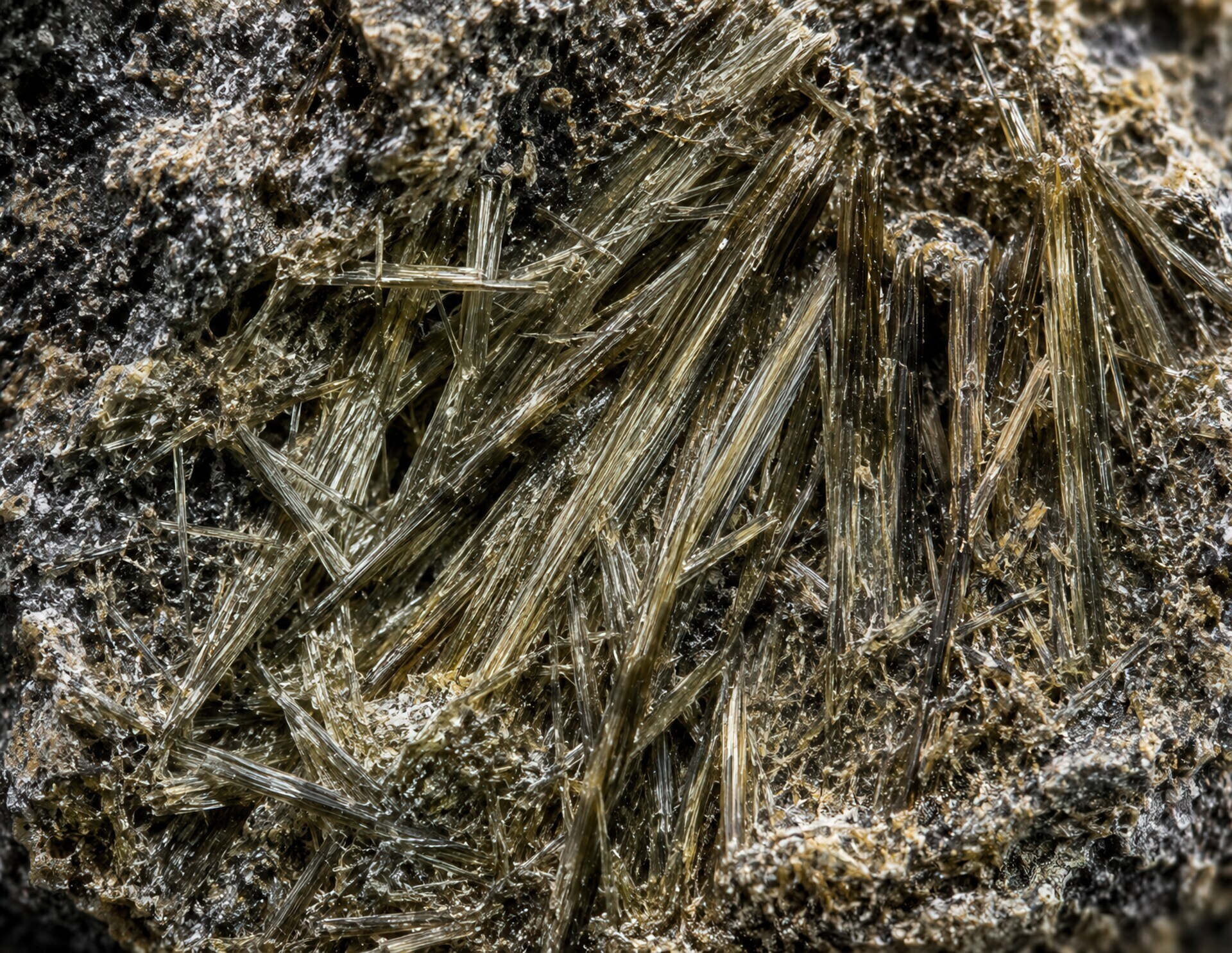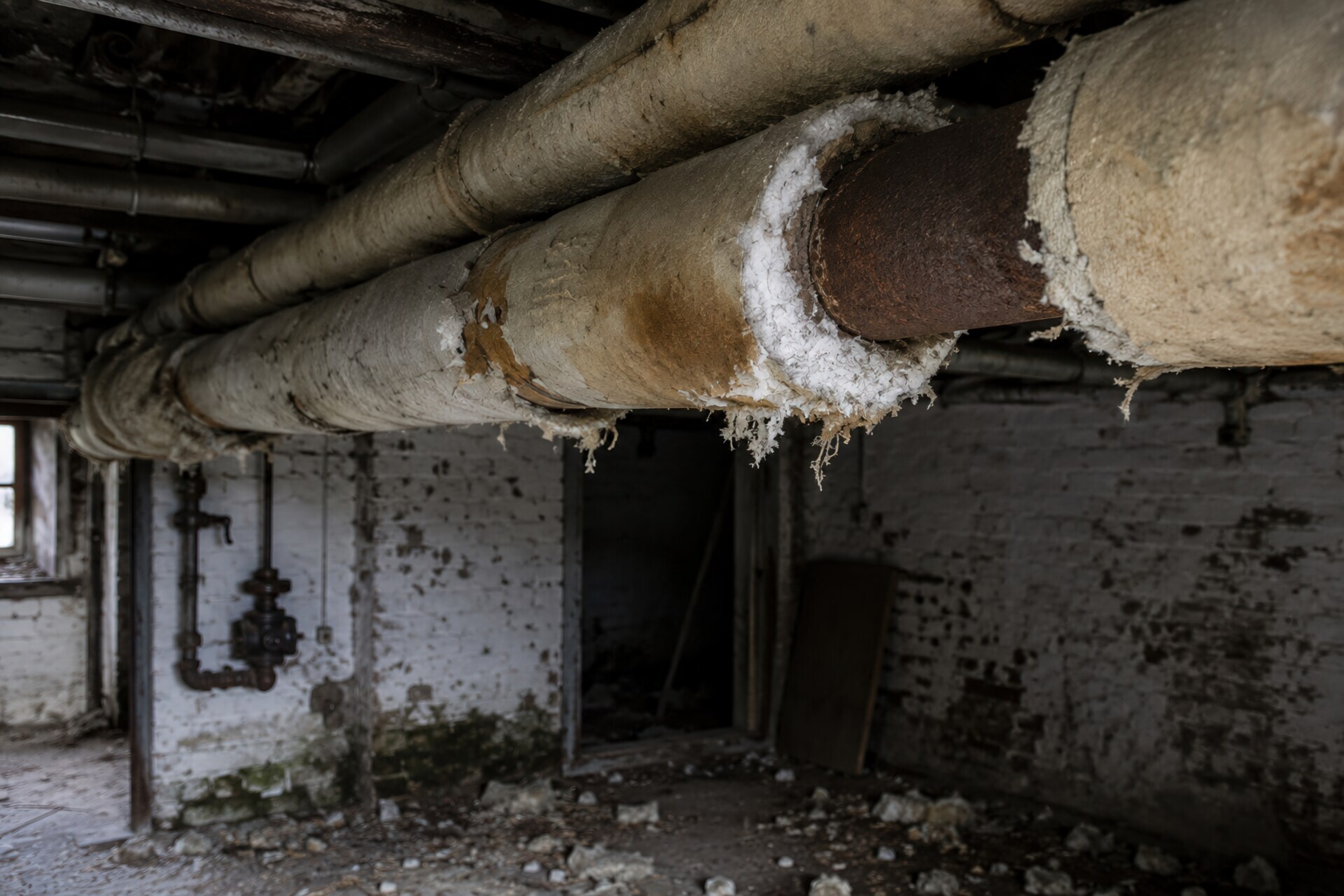


Refurbishing an older home in Four Oaks can uncover materials hidden behind cabinets, ceilings, wall linings and floor coverings. Properties built or altered before asbestos was banned in the UK may contain asbestos insulation board, textured coatings, pipe insulation, cement products and older floor tiles.
Appearance alone cannot confirm whether a product contains asbestos. Testing before strip-out begins gives homeowners and contractors reliable information for planning, budgeting and choosing appropriate controls.
Identify every intrusive task
List the areas affected by kitchen or bathroom removal, rewiring, plumbing, heating, flooring and structural changes. Include service cupboards, lofts, garages and external panels. Small tasks such as drilling for new fittings can disturb concealed materials.
Homeowners can review what asbestos is and why it is hazardous before discussing the project with surveyors and builders.
Choose a survey that matches the refurbishment
A management survey supports normal occupation and routine maintenance but may not be intrusive enough for refurbishment. The assessment should cover every part of the building fabric that the planned work will disturb or make inaccessible.
A competent surveyor may take representative samples under controlled conditions and send them to a suitable laboratory. The report should state each location, analytical result, condition and recommended action. Suspect areas should remain undisturbed while results are pending.
Decide what can remain safely managed
A positive test does not mean every asbestos-containing item must be removed. Intact material outside the project area may sometimes remain in place under a documented management plan. Damaged materials or products directly affected by the refurbishment may need encapsulation, enclosure or controlled removal.
Do not take your own samples or ask a general builder to remove an unidentified panel. This guide to the risks of DIY asbestos removal explains how dust can spread to clean rooms, tools, workwear and vehicles.
Build removal into the programme
A competent contractor should provide a written plan covering restricted access, containment, removal techniques, cleaning, decontamination and hazardous-waste transport. It should clarify whether licensing, notification, air monitoring or formal clearance applies.
Complete asbestos work before other trades enter the affected space. Allow sufficient time for any specified clearance procedure so pressure to meet renovation deadlines does not lead to premature re-entry.
Review protection for occupants
Plan how residents, children, pets and visitors will be separated from the work. Consider ventilation openings and routes used to carry equipment and waste. Temporary relocation may be appropriate where controls cannot adequately separate occupied areas.
Personal protective equipment is one part of the system rather than the whole solution. Read how PPE supports asbestos removal alongside careful methods, containment and decontamination.
Retain the project records
Keep the survey, laboratory certificates, contractor plan, hazardous-waste consignment notes and any monitoring or clearance documents. Update the asbestos record to show what was removed and where any material remains after the refurbishment.
If suspect material is accidentally damaged, stop work, restrict access and avoid sweeping or using an ordinary vacuum cleaner. Do not move dusty tools or clothing through clean rooms. Obtain competent advice before clean-up or re-entry.