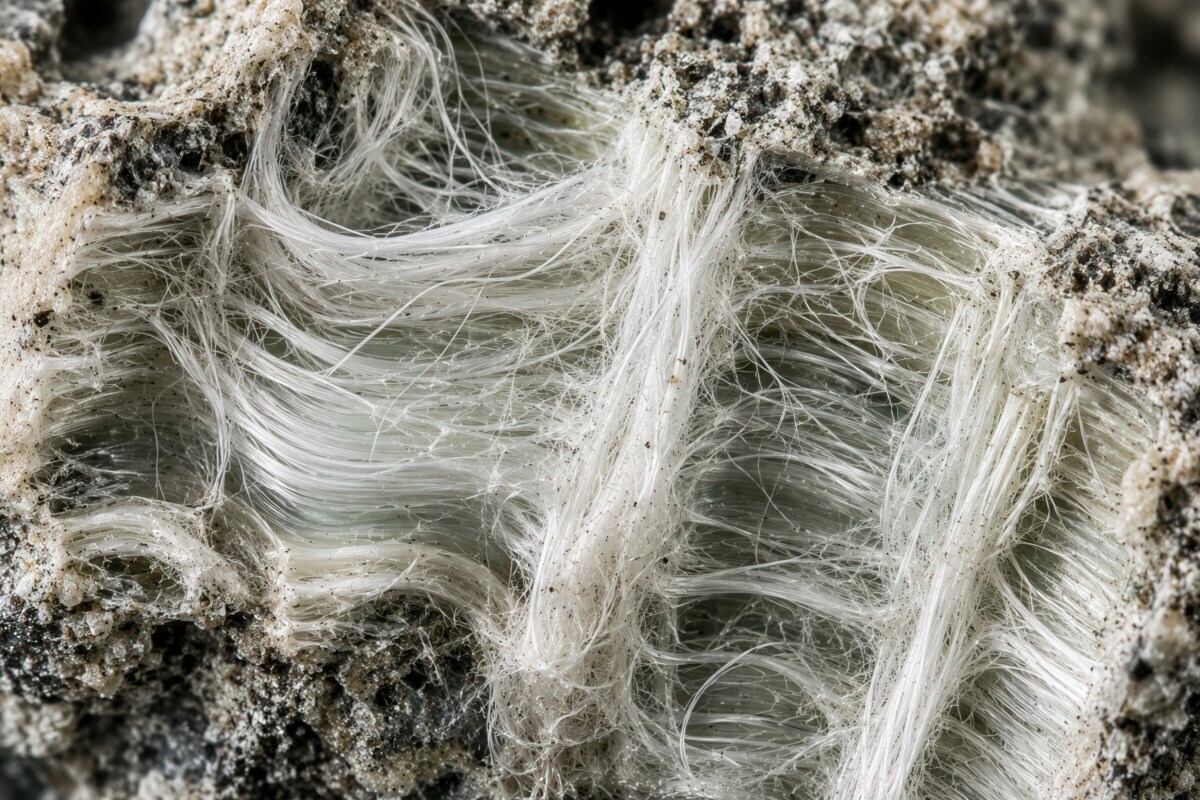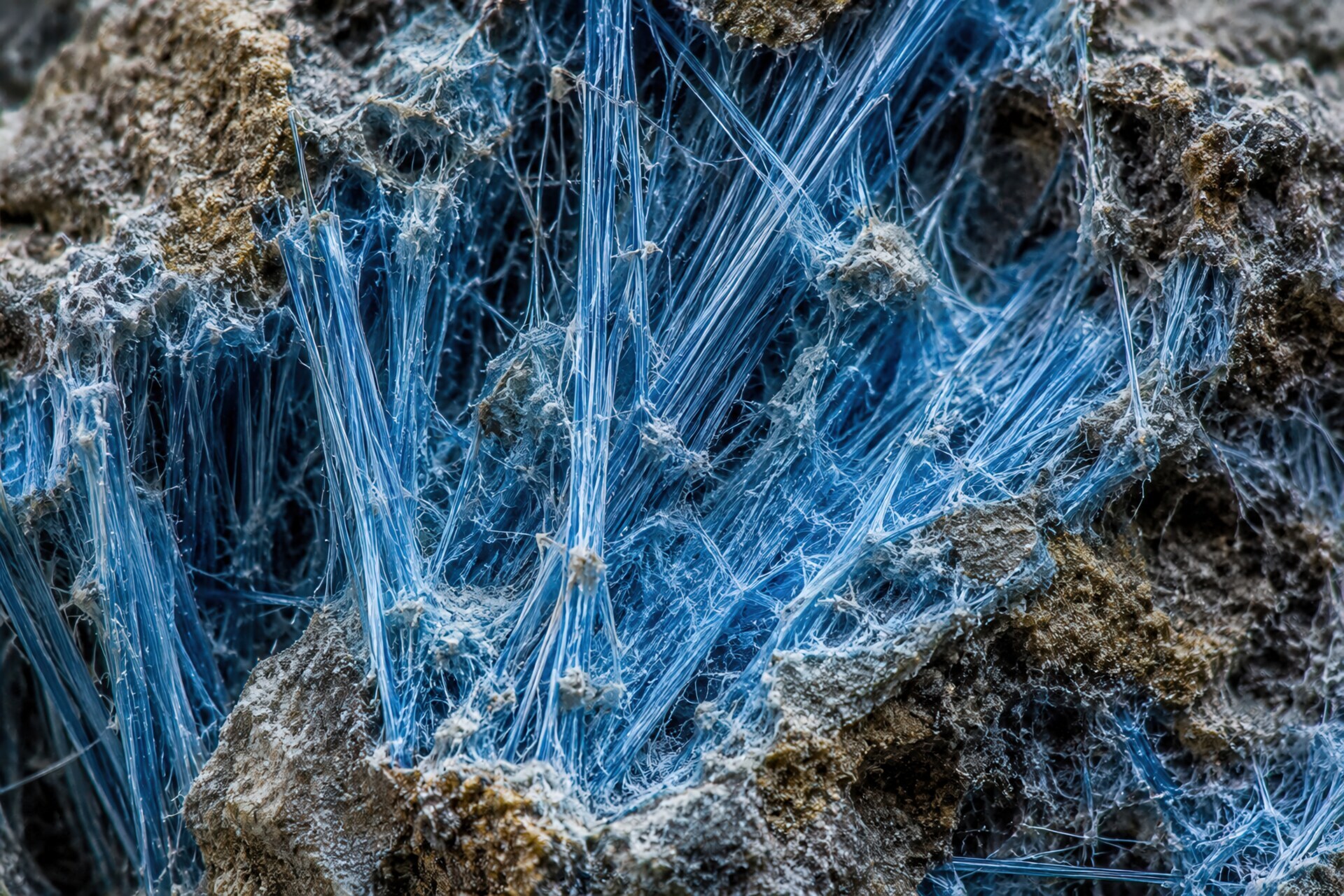


When asbestos-containing materials are cut, drilled or broken, they release clouds of microscopic fibres into the surrounding air. These particles are so small that they cannot be seen or detected by smell, yet once breathed in they become lodged deep within the lungs. The body has no natural way to expel them, which allows long-term damage to build silently. Years or even decades later this exposure can result in life-threatening illnesses including mesothelioma, asbestos-related lung cancer and progressive scarring of the lungs. This delayed effect is what makes asbestos such a serious and deceptive hazard.
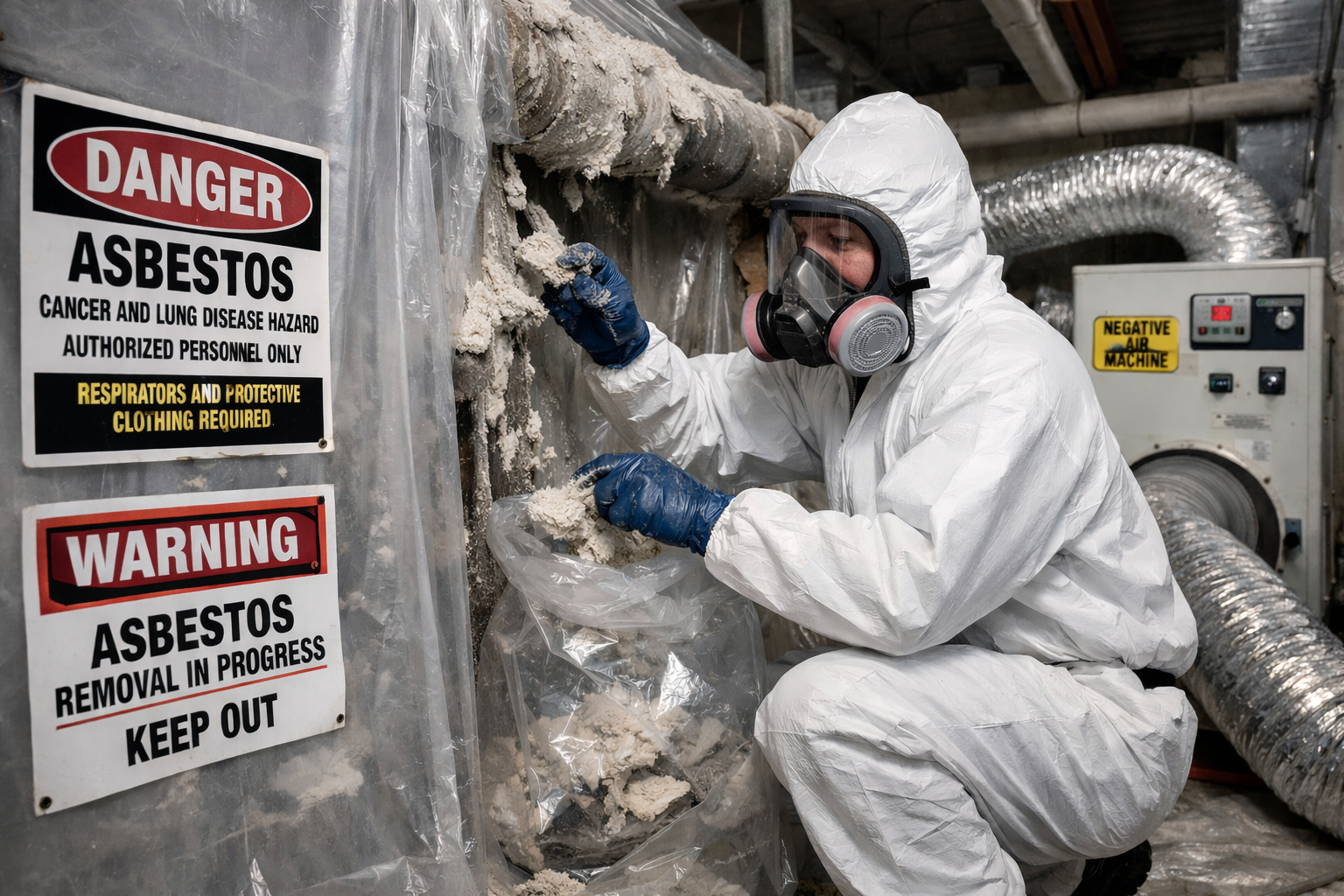
Personal Protective Equipment, known as PPE, is the frontline defence against this invisible threat. During asbestos work it is not simply a legal requirement or a procedural formality. It is the barrier that stops fibres from being inhaled, sticking to skin, or contaminating clothing and equipment that could later spread the hazard into clean spaces such as homes and vehicles.
Disposable protective suits are specifically designed to prevent fibres from becoming trapped in everyday fabrics. Normal workwear can carry contamination far beyond the original site, putting other people at risk long after the task is finished. Protective overalls provide a sealed layer that can be safely removed and discarded, ensuring that fibres are contained and do not escape into the wider environment.
Breathing protection is equally vital. Asbestos dust is made up of extremely fine particles that are easily drawn into the lungs, which is why high-grade FFP3 respirators are used in asbestos environments. These masks filter out the airborne particles that transport fibres, greatly reducing the amount that can be inhaled. Without this level of filtration, anyone working near disturbed asbestos would be exposed with every breath they take.
asbestos testing exeter devon
Hands and feet also need to be protected. Asbestos fibres readily settle on exposed skin, gloves and footwear, and can be carried onto floors, seats and furnishings if left unchecked. This creates ongoing exposure risks for other people who may never have been near the original work area. Using disposable gloves and boot covers ensures that all contaminated items are removed and safely disposed of when the job is complete.
Asbestos Safety & PPE: FAQs
Why is PPE so important when working with asbestos?
What type of PPE is required for asbestos removal?
Why can’t normal clothing be worn during asbestos work?
How does respiratory protection reduce asbestos risk?
Can asbestos fibres spread after a job is finished?
Is PPE enough on its own to stay safe?
What happens to PPE after asbestos removal?
Wearing PPE is only part of the safety process. It must be inspected before use to ensure it is working correctly, and it must be removed carefully afterwards to avoid releasing trapped fibres back into the air. Once taken off, all used protective equipment is treated as hazardous waste and disposed of under strict controls so that asbestos cannot escape and continue to pose a risk.
Asbestos does not give warnings and it does not allow second chances. Once fibres enter the body, the harm is permanent. Using the right protective equipment, handling it correctly and disposing of it safely is not an overreaction — it is the only way to protect lives, livelihoods and long-term health.