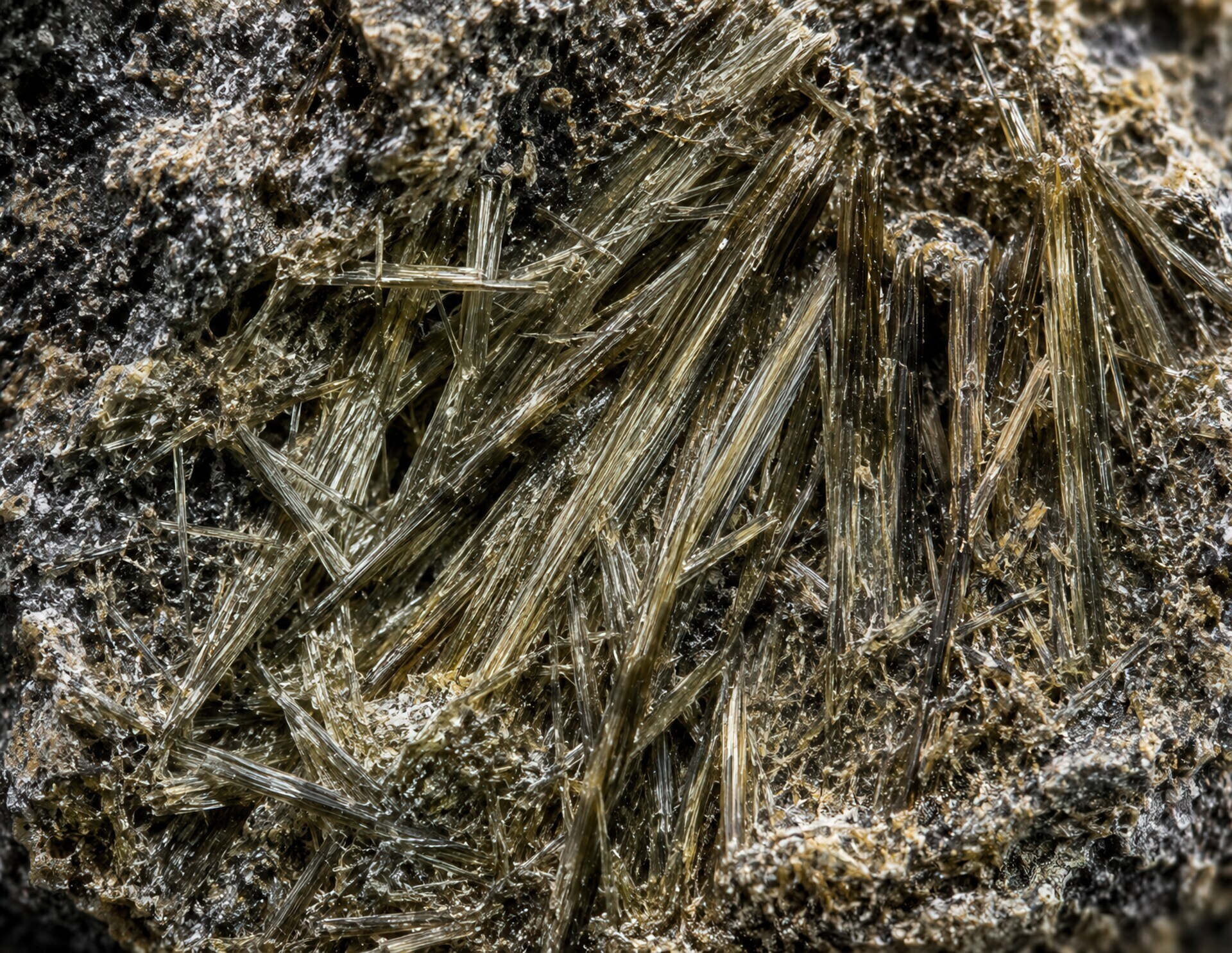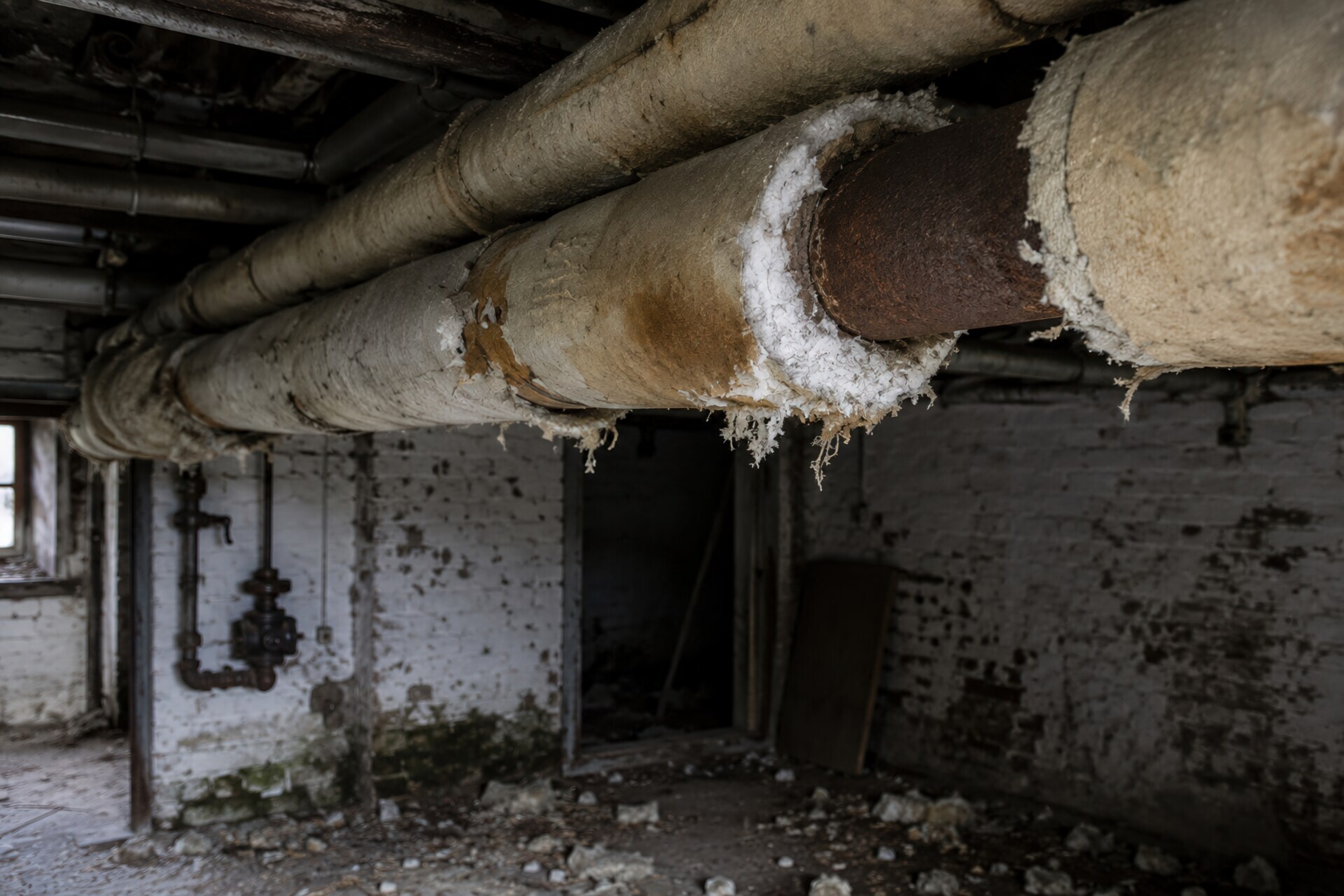


Repairs to older schools, halls and community buildings in Bartley Green can expose materials that have been hidden behind ceilings, wall linings or service panels for decades. Buildings constructed or altered before the UK asbestos ban may contain asbestos insulation board, textured coatings, cement products, pipe lagging or older floor tiles. No one can confirm asbestos from appearance alone.
Before maintenance teams cut into the building fabric, a suitable asbestos survey and testing programme should establish what is present. The results help those responsible for the premises decide whether materials can be managed in place or must be treated or removed under controlled conditions.
Identify every area affected by the repair
Write down the exact tasks planned, including ceiling replacement, heating repairs, rewiring, roof work and opening service voids. Include access routes and temporary works. An asbestos register prepared for day-to-day occupation may not describe concealed materials that an intrusive repair will expose.
For background, read what asbestos is and why it is hazardous. The key concern is preventing fibres from becoming airborne when a containing product is damaged or worked on.
Choose testing that fits the work
A management survey supports normal occupation and routine maintenance. A refurbishment survey is usually needed where repairs will disturb previously inaccessible building fabric. Give the surveyor drawings, the maintenance specification and details of any rooms that cannot be entered during normal opening hours.
A competent surveyor may collect representative samples using controlled methods and send them to a suitable laboratory. The report should record sample locations, findings, material condition and recommendations. Suspect materials should remain undisturbed until results are available.
Decide whether to manage or remove
A positive test does not automatically mean immediate removal. Intact material away from the planned repair may sometimes remain under a documented management plan. Damaged material or products that workers must cut, move or enclose may require encapsulation, enclosure or removal first.
Do not ask a caretaker or general trade to remove a small section as a shortcut. The article on the risks of DIY asbestos removal explains how contamination can spread beyond the immediate work area.
Plan work around building users
A competent removal contractor should provide a written plan covering restricted access, containment, removal methods, cleaning, decontamination and hazardous-waste transport. It should state whether licensing, notification, air monitoring or formal clearance applies.
Schedule work so pupils, staff, volunteers, visitors and unrelated contractors cannot enter the controlled area. Consider shared corridors, entrances, ventilation, emergency routes and the route used to move waste. Do not release the space for normal use until the specified completion checks are finished.
Check protective measures
Respiratory and disposable protective equipment must suit the task and be used correctly, but it cannot replace controls that limit fibre release. Learn how PPE supports asbestos removal alongside containment, careful methods and decontamination.
Brief every contractor on the survey findings and the locations of any remaining asbestos. If the repair scope changes or a concealed area becomes accessible, stop and review whether further assessment is required.
Keep the records current
Retain the survey, laboratory certificates, contractor plan, waste consignment notes and any air-testing or clearance documentation. Update the building’s asbestos register after work so future maintenance teams know what was removed and what remains.
If suspect material is damaged unexpectedly, stop work, restrict access and avoid sweeping or using an ordinary vacuum cleaner. Do not move dusty equipment through clean areas. Obtain competent advice before clean-up or re-entry.