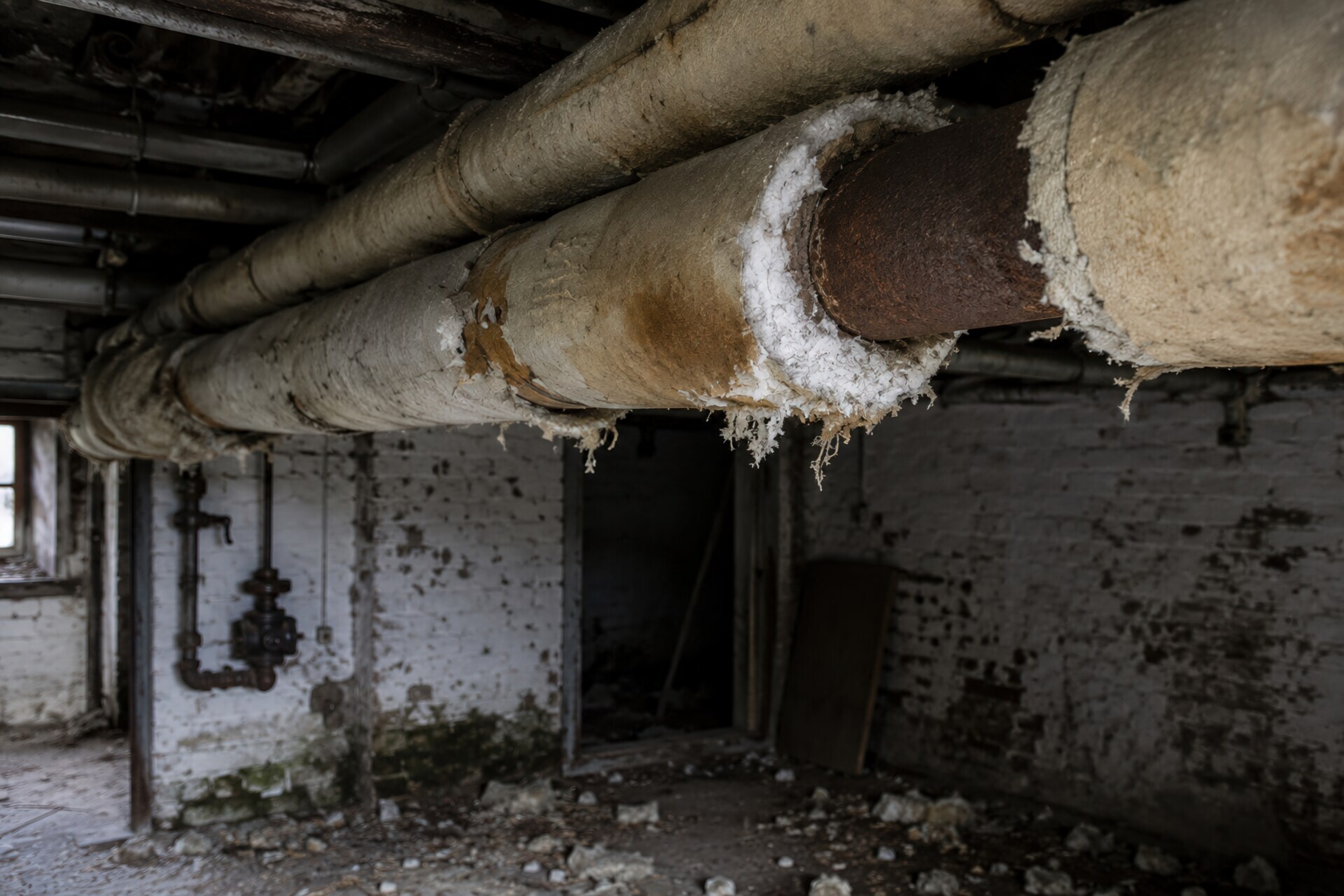


A shop or office fit-out in Quinton may disturb materials installed before asbestos was banned in the UK. Suspended ceilings, partition walls, floor tiles, service risers, fire protection, pipe insulation and textured finishes can all conceal asbestos-containing products.
Appearance alone cannot confirm whether a material contains asbestos. Professional testing before strip-out gives landlords, tenants and contractors reliable information for pricing, programming and selecting safe controls.
Define the entire fit-out scope
List every area affected by demolition, new services, signage, ceilings, flooring and ventilation. Include drilling for fixtures, alterations in shared service cupboards and access through back-of-house spaces. Existing records may not cover concealed materials exposed by the new layout.
Teams unfamiliar with the issue can start with what asbestos is and why it is hazardous. Preventing fibre release is essential whenever old materials may be cut, drilled, sanded or broken.
Commission a suitable asbestos survey
A management survey is intended for ordinary occupation and routine maintenance. Intrusive fit-out works generally need a refurbishment survey that covers all building fabric affected by the design. Give the surveyor drawings, contractor proposals and full access to the relevant spaces.
Representative samples should be collected under controlled conditions by a competent person and analysed by a suitable laboratory. The report should identify locations, results, condition and recommended action. Suspect materials should remain undisturbed while analysis is pending.
Make decisions from the findings
Intact asbestos-containing material outside the fit-out zone may sometimes remain under a documented management plan. Products that are damaged, will be made inaccessible or are directly affected by the new work may require enclosure, encapsulation or removal.
Do not allow strip-out teams to remove untested materials as general waste. This article on the risks of unplanned asbestos removal explains how contamination can spread through tools, workwear, vehicles and adjoining units.
Programme removal before other trades
A competent asbestos contractor should provide a written plan covering access restrictions, containment, removal methods, cleaning, decontamination and hazardous-waste transport. It should explain whether licensing, notification, air monitoring or formal clearance applies.
Complete the asbestos work before ceiling installers, electricians, decorators and other trades enter the affected area. Build any required clearance time into the programme so commercial deadlines do not pressure workers to re-enter early.
Protect shared premises
Consider communal entrances, ventilation, loading areas, fire routes and neighbouring occupiers. Agree how the work zone will be separated and how waste will leave without passing through public areas where possible.
Personal protection remains important, but it cannot replace source controls and containment. Read how PPE supports safer asbestos work alongside suitable work methods and decontamination.
Keep records for the lease and building file
Retain the survey, laboratory certificates, contractor plan, waste consignment notes and any monitoring or clearance documentation. Update the asbestos register and share relevant information with the landlord, managing agent and future maintenance contractors.
If suspect material is damaged unexpectedly, stop work, restrict access and avoid sweeping or using an ordinary vacuum cleaner. Do not carry dusty equipment through clean or public areas. Obtain competent advice before clean-up or re-entry.