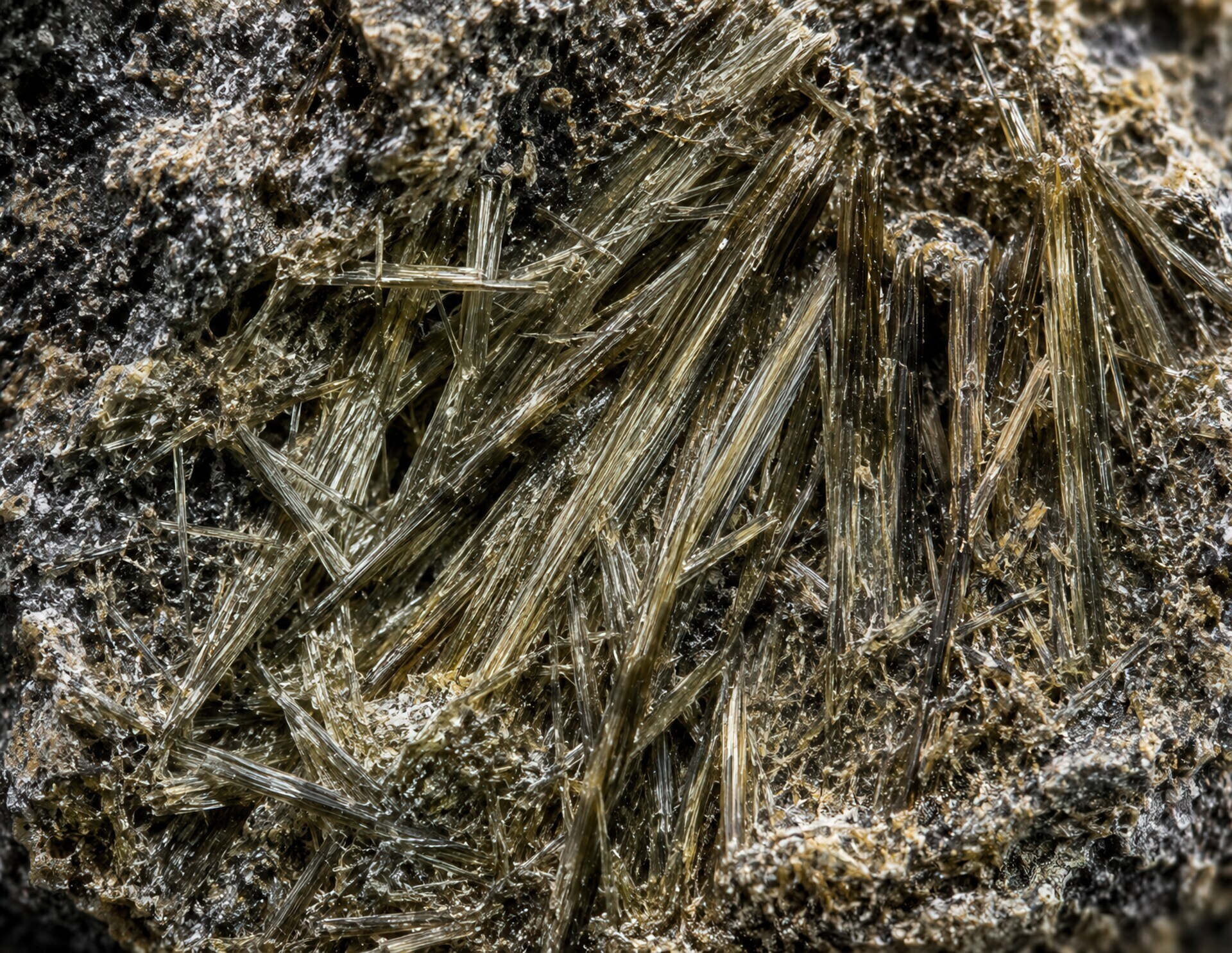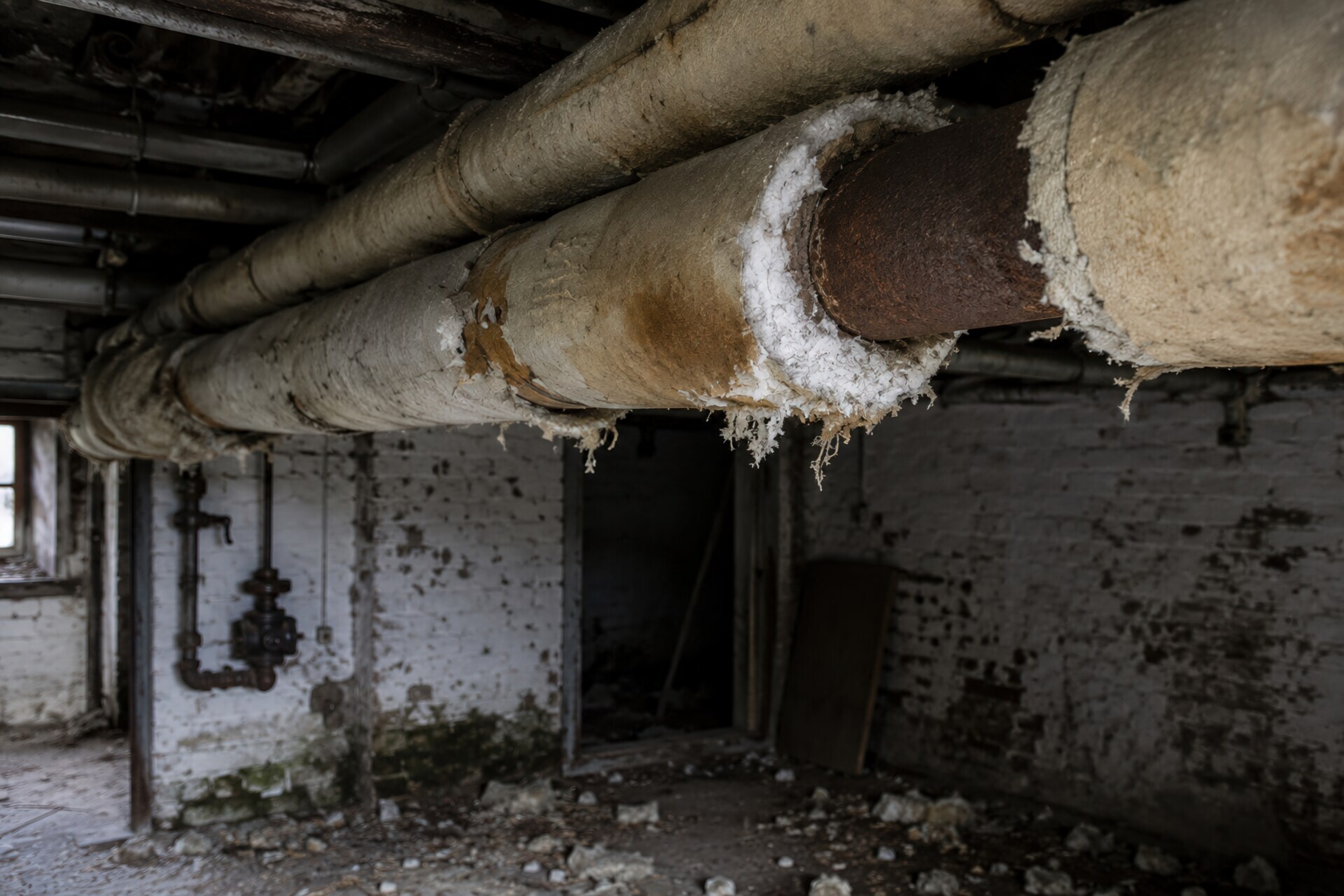


Period homes and older commercial properties in Knowle may include later alterations completed when asbestos products were widely used. Textured coatings, insulation board, cement sheets, pipe lagging, floor tiles and fire-protection materials can be hidden behind finishes that appear much newer.
Professional asbestos testing before intrusive work helps owners and contractors separate original historic fabric from later hazardous materials. Reliable findings make it possible to plan conservation, refurbishment and removal work without avoidable disturbance.
Review the building’s alteration history
Collect available plans, invoices, surveys and information about extensions or services installed during the twentieth century. Note every area affected by the project, including roof spaces, service cupboards, floors, outbuildings and decorative finishes.
This overview of the history of asbestos use helps explain why a much older property can still contain materials added during later renovations.
Choose an appropriate survey
A management survey is designed for normal occupation and foreseeable maintenance. Work that will open walls, lift floors or alter services generally requires a refurbishment survey that covers all affected fabric, including concealed voids.
A competent surveyor may take representative samples using controlled methods and send them to a suitable laboratory. The report should record sample locations, results, condition and recommended action. Suspect areas should remain undisturbed while results are pending.
Balance conservation and risk management
Not every asbestos-containing item requires immediate removal. Intact material outside the project area may sometimes remain under a documented management plan. Where products are damaged or directly affected, encapsulation, enclosure or removal may be necessary.
Owners should not take samples or remove panels themselves in an attempt to protect historic finishes. The guide to the risks of DIY asbestos removal explains how fibres can spread to adjoining rooms, tools and clothing.
Brief specialist contractors clearly
A competent contractor should prepare a written plan covering access restrictions, containment, removal techniques, cleaning, decontamination and hazardous-waste transport. It should explain whether licensing, notification, air monitoring or formal clearance applies.
Share details of features that must be protected, including plasterwork, joinery or flooring. Agree the removal sequence with the conservation or refurbishment team so hazardous materials are addressed before other trades begin sensitive work.
Control access and dust movement
Keep residents, visitors and unrelated contractors away from the controlled area. Consider how ventilation openings, staircases and shared routes will be isolated. Plan a waste route that avoids carrying packaged materials through clean occupied spaces where possible.
Personal protective equipment is important but cannot replace careful working methods. Read how PPE supports asbestos removal alongside containment and decontamination.
Preserve a clear property record
Retain the survey, laboratory certificates, contractor plan, waste consignment notes and any air-testing or clearance documents. Update the asbestos register to show what was removed and where materials remain, without confusing them with protected historic features.
If suspect material is damaged unexpectedly, stop work, restrict access and avoid sweeping or using an ordinary vacuum cleaner. Do not move dusty equipment through clean areas. Obtain competent advice before clean-up or re-entry.