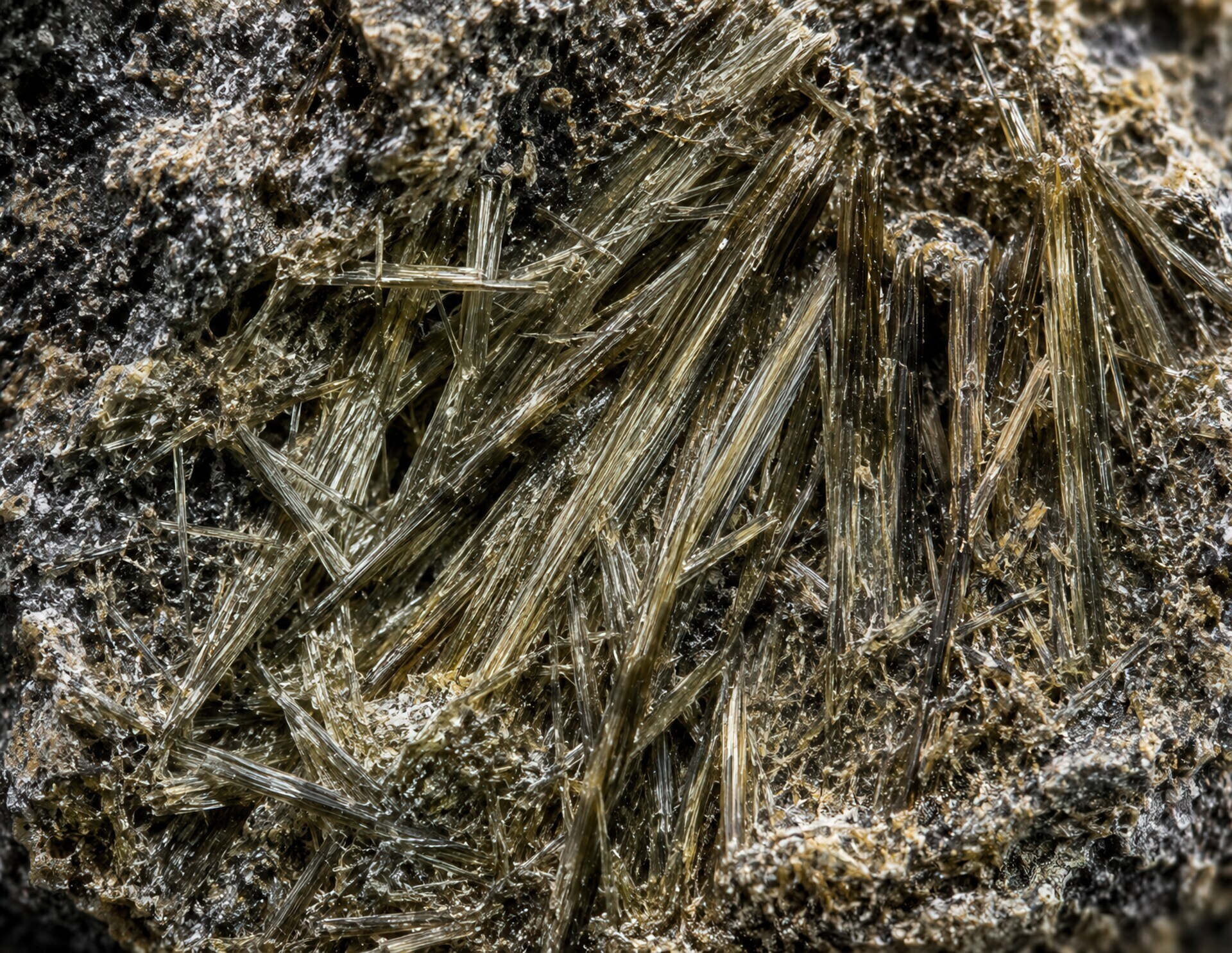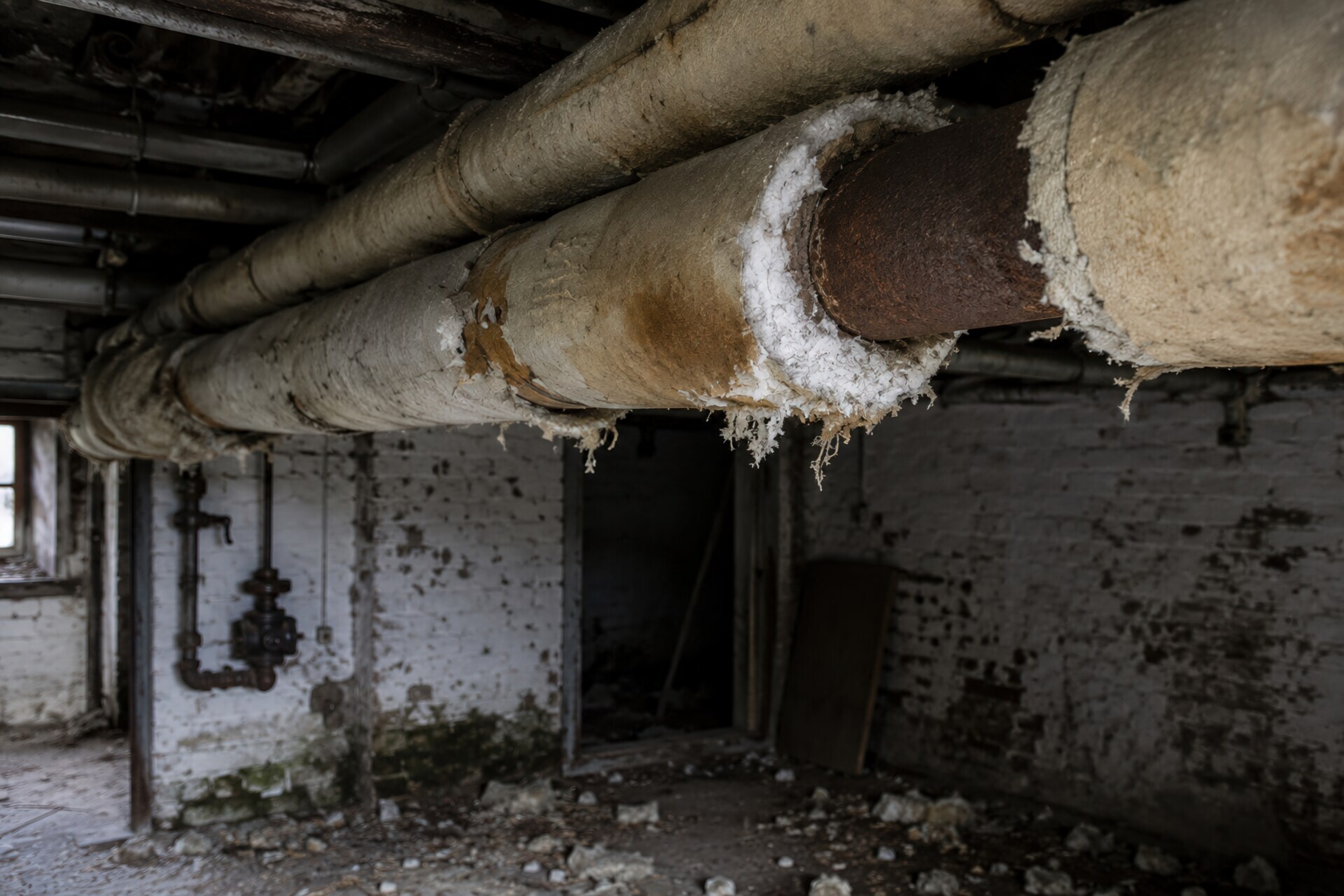


Property work in Blackheath can uncover asbestos-containing materials in places that are easy to overlook, particularly in buildings constructed or refurbished before the risks were widely understood. Roofing sheets, textured coatings, insulation, floor tiles, soffits and service ducts may all require careful consideration. Planning asbestos removal guidance and asbestos testing information early helps homeowners, landlords and businesses make safer decisions before work begins.
Why asbestos planning matters in Blackheath
Blackheath includes a mix of older homes, converted properties, commercial premises and buildings that have seen several rounds of maintenance. Age alone does not confirm that asbestos is present, but it is a useful reason to pause before drilling, stripping, sanding or removing materials. Disturbing a hidden material can release fibres into the air, while an apparently minor repair may affect a much larger section of a ceiling, wall, roof or service area.
A sensible starting point is to list the planned work and identify every material that could be disturbed. This may include replacing a boiler, upgrading electrics, opening a wall, repairing a garage roof, removing old flooring or refurbishing a shop unit. If the material is uncertain, avoid disturbing it until a competent asbestos professional has advised on the next step.
When asbestos testing should come first
Testing is particularly important when a project involves invasive work and there is no reliable asbestos survey or product record. A qualified surveyor can assess the property, select representative samples where appropriate and arrange laboratory analysis. The resulting information can help distinguish between materials that may remain safely in place and those that need controlled removal before the project continues.
Sampling should not be treated as a DIY task. Taking a sample can disturb the very material that needs to be controlled, and a single visual check cannot reliably identify asbestos. Ask for clear written results, the location of each sample, any limitations in the inspection and practical recommendations that match the planned work.
What safe asbestos removal involves
Where removal is required, the approach should be proportionate to the material, its condition and the work being carried out. A professional contractor should explain the proposed controls, access arrangements, personal protective equipment, waste handling and clearance process before starting. The work area may need to be isolated, surfaces protected and dust-generating methods avoided or tightly controlled.
Asbestos waste must be packaged, labelled and transported through the appropriate controlled route. After removal, the area should be cleaned and assessed in line with the scope of work. Keep the survey, laboratory report, waste documentation and clearance paperwork with the property records so future owners, tenants and contractors understand what has been addressed.
Questions to ask before appointing a contractor
Before work begins, ask who will carry out the survey or testing, what qualifications and experience they hold, how the work area will be controlled, where the waste will go and what evidence will be supplied at completion. Request a written quotation that separates testing, preparation, removal, disposal and reinstatement. This makes it easier to compare like-for-like proposals and reduces the risk of important safety steps being treated as optional extras.
It is also wise to tell neighbours, tenants and other trades about restricted areas and the expected timetable. Do not allow unrelated contractors to enter a controlled work zone or restart building work until the responsible professional confirms that it is safe to proceed. For wider local asbestos support, keep the property’s documentation ready when requesting advice.
Local planning point for Blackheath properties
Blackheath sits within the wider West Midlands area, where residential alterations and commercial refurbishments can vary significantly from one street and building type to another. A site-specific assessment is therefore more useful than relying on a neighbour’s experience or a generic checklist. If work has already started and an unknown board, coating, insulation product or sheet has been damaged, stop the activity, keep people away and seek competent advice.
A safer next step
The safest project is one that identifies uncertainty before tools and trades arrive. Arrange appropriate testing when materials are unknown, use competent professionals for removal and keep the paperwork that explains what was found and done. That preparation can protect occupants, workers and future maintenance teams while helping a Blackheath property project move forward with fewer surprises.