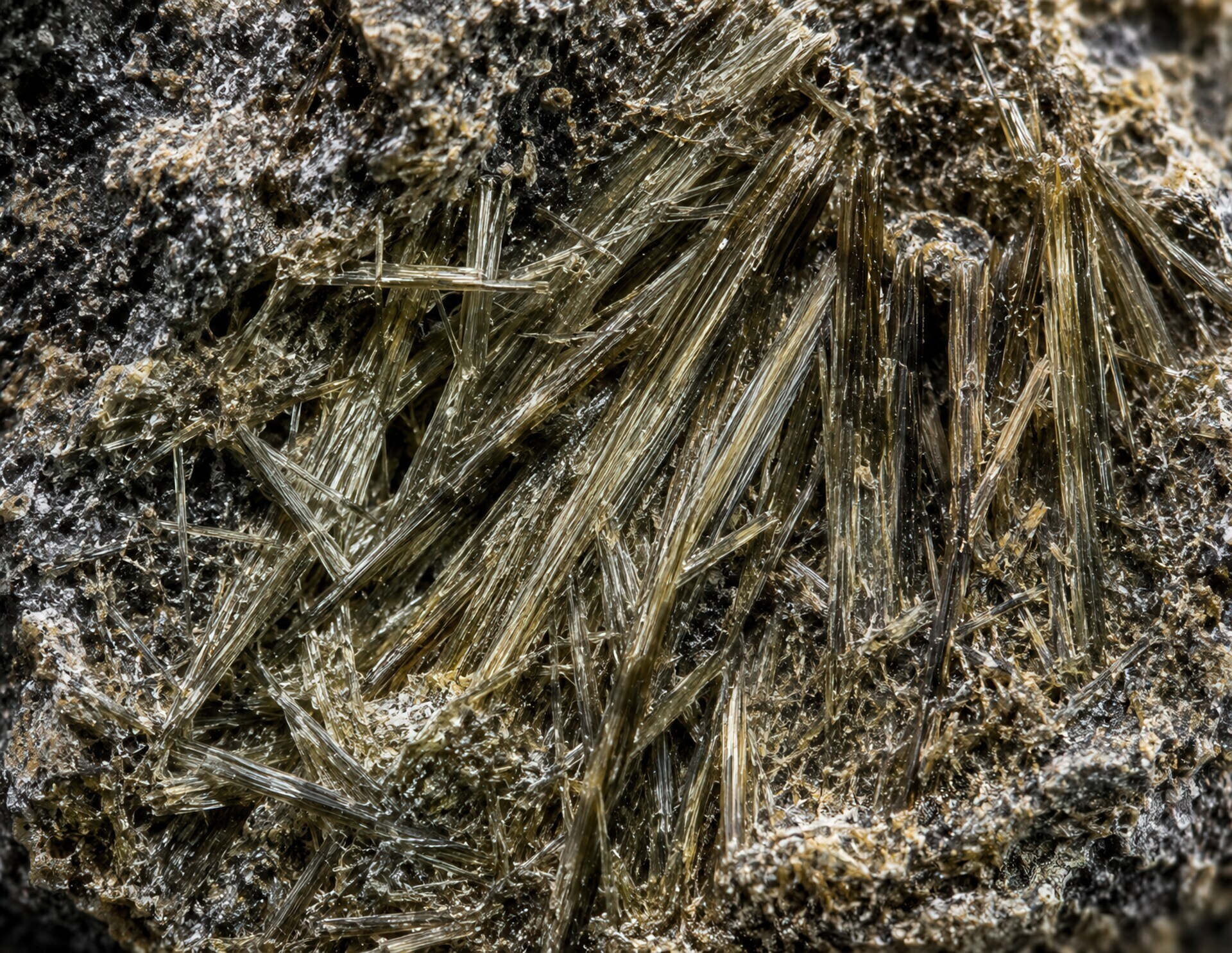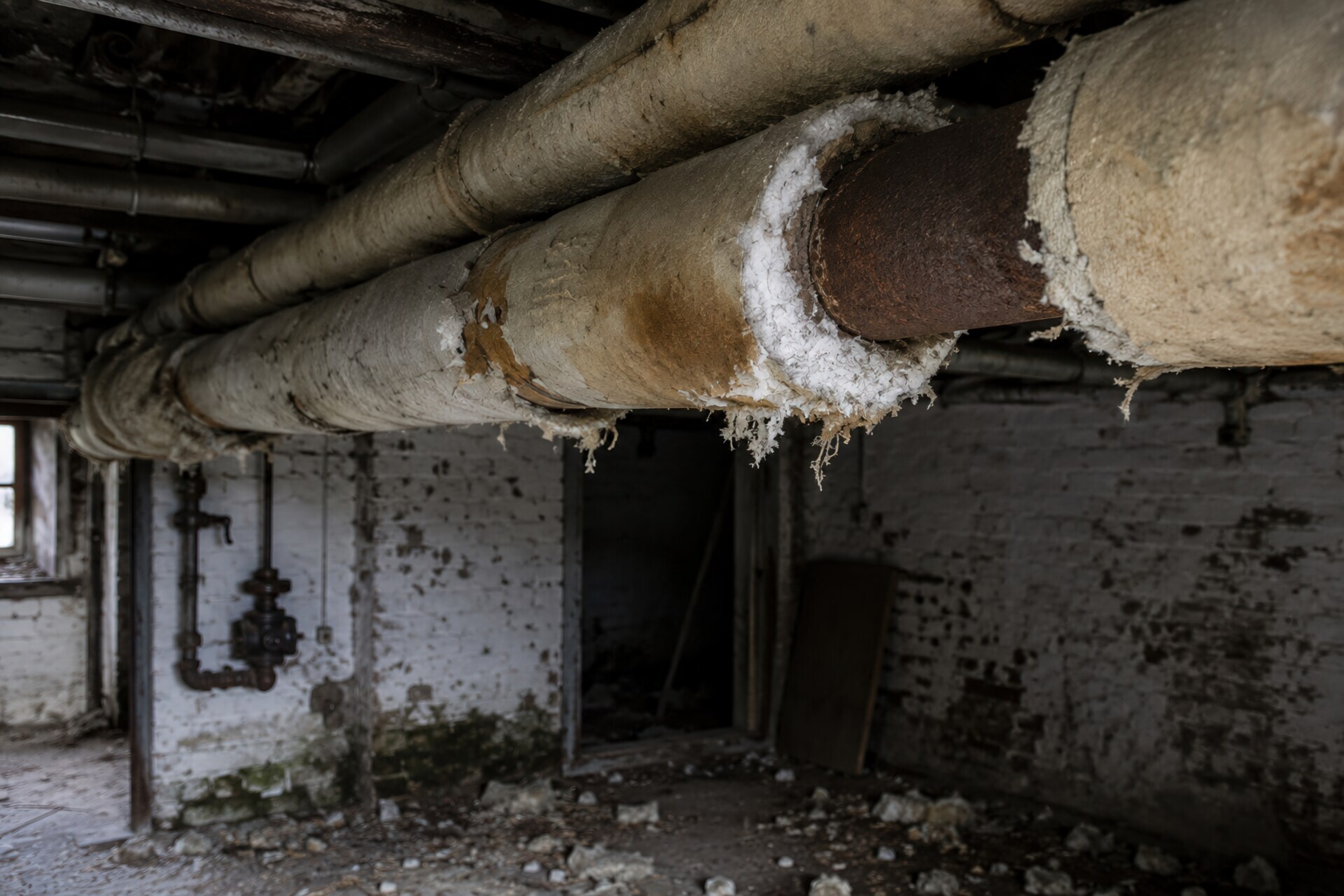


Building work in Perry Barr often involves properties with long histories, from older terraces and maisonettes to commercial units that have been altered several times. Before walls are opened, ceilings are stripped or old services are removed, it is sensible to understand whether asbestos-containing materials could be present. Asbestos was used widely because it was strong, heat resistant and versatile, but fibres can become hazardous when materials are damaged or disturbed.
A careful project starts with information rather than assumptions. Asbestos testing can identify suspect materials, while a planned asbestos removal process can deal with confirmed risks in a controlled way. For homeowners, landlords, facilities managers and contractors in Perry Barr, this early preparation can reduce disruption, improve communication and help everyone understand which areas must remain untouched.
Why older Perry Barr buildings need a planned approach
Age alone does not prove that a building contains asbestos, and a modern-looking room can still conceal older materials behind later finishes. Common locations include textured coatings, floor tiles and adhesive, soffits, corrugated garage sheets, cement panels, insulation around pipework, roof products and older fire-resistant boards. Some materials look ordinary, which is why visual inspection by an unqualified person cannot reliably confirm what is present.
Renovation plans can also change the level of risk. A material that is intact and left alone may not create an immediate disturbance, whereas drilling, sanding, cutting, breaking or removing it can release fibres. If a refurbishment involves several trades, the information from a survey or targeted test should be shared before work begins. A written record gives the project manager a practical basis for sequencing tasks and briefing workers.
Property owners who are still defining their scope may find our guide to asbestos removal before refurbishment useful when listing rooms, outbuildings and materials that need attention.
What asbestos testing can establish
Testing is intended to answer a specific question: does a sampled material contain asbestos, and what should happen next? A competent professional can assess the building history, inspect relevant areas and take samples using suitable controls. The number and location of samples depend on the material, its condition and the planned work. Results should be recorded clearly so that a positive finding is linked to an exact room or construction element.
For a small repair, targeted sampling may be appropriate. For a larger refurbishment, a more comprehensive survey may be needed before intrusive work starts. The right choice depends on the scope, access and the likelihood that hidden materials will be disturbed. It is important not to rely on a previous report without checking whether it covers the current project; a report prepared for one alteration may not address later extensions, new service routes or inaccessible voids.
If a result is positive, the next decision is not automatically complete removal. Some materials may be managed in place if they are stable and will not be disturbed, while damaged or unavoidable materials may need specialist treatment. Our practical advice for safer home improvements explains why testing should be connected to the actual work plan.
Planning asbestos removal safely
Where removal is required, ask how the work will be contained, controlled and documented. A suitable plan should identify the material, define the work area, set out access arrangements and explain how waste will be packaged and transferred. Depending on the material and task, controls may include an enclosure, controlled entry, protective equipment, damp methods and specialist cleaning. The objective is to prevent fibres spreading beyond the work zone while protecting workers and occupants.
Before the start date, agree who will isolate services, move furniture, keep children and pets away, and communicate changes to neighbours or other building users. A property may need to remain vacant for part of the process. Do not sweep debris, use ordinary domestic equipment on suspected contamination or remove damaged sheets yourself. If an unexpected material is uncovered, stop the relevant task and seek advice rather than working around uncertainty.
Waste handling is part of the removal job, not an afterthought. Packaging, transport and disposal should follow the applicable requirements, with documentation retained for the property file. A completion record can be valuable when selling, letting or planning future alterations because it shows what was removed, where work took place and what areas were left undisturbed.
Questions to ask before work begins
Ask whether the proposed survey matches the refurbishment drawings, whether samples will be taken from every relevant material, and how inaccessible areas will be treated. Confirm who will explain the findings and how positive results will affect the programme. It is also sensible to ask what controls will be used, how the work area will be separated, how progress will be communicated and what evidence will be supplied at completion.
Independent planning can prevent avoidable delays. A contractor who understands the scope can coordinate electricians, plumbers, roofers and builders around the asbestos work instead of allowing one trade to expose another to an unknown material. Keep reports, photographs, waste notes and completion documents together, and update them if a later project reveals a previously inaccessible area.
For a wider view of the process, see our guide to asbestos testing and removal during renovation. The key principle is simple: identify uncertainty early, prevent disturbance until it has been assessed, and use competent specialists when removal or remedial work is required.
Local planning for Perry Barr projects
Perry Barr includes a mixture of homes, flats, workshops and commercial premises, so the practical arrangements will vary from one property to another. A short domestic repair may need a focused assessment, while a larger conversion may require a coordinated survey and phased controls. Allow time for sampling, laboratory results, preparation and clearance when setting expectations with tenants, clients or trades.
Taking a measured approach helps protect people and keeps the project organised. If you suspect asbestos, do not disturb the material to obtain certainty. Record its location, restrict access where appropriate and arrange professional testing before the next stage of work.