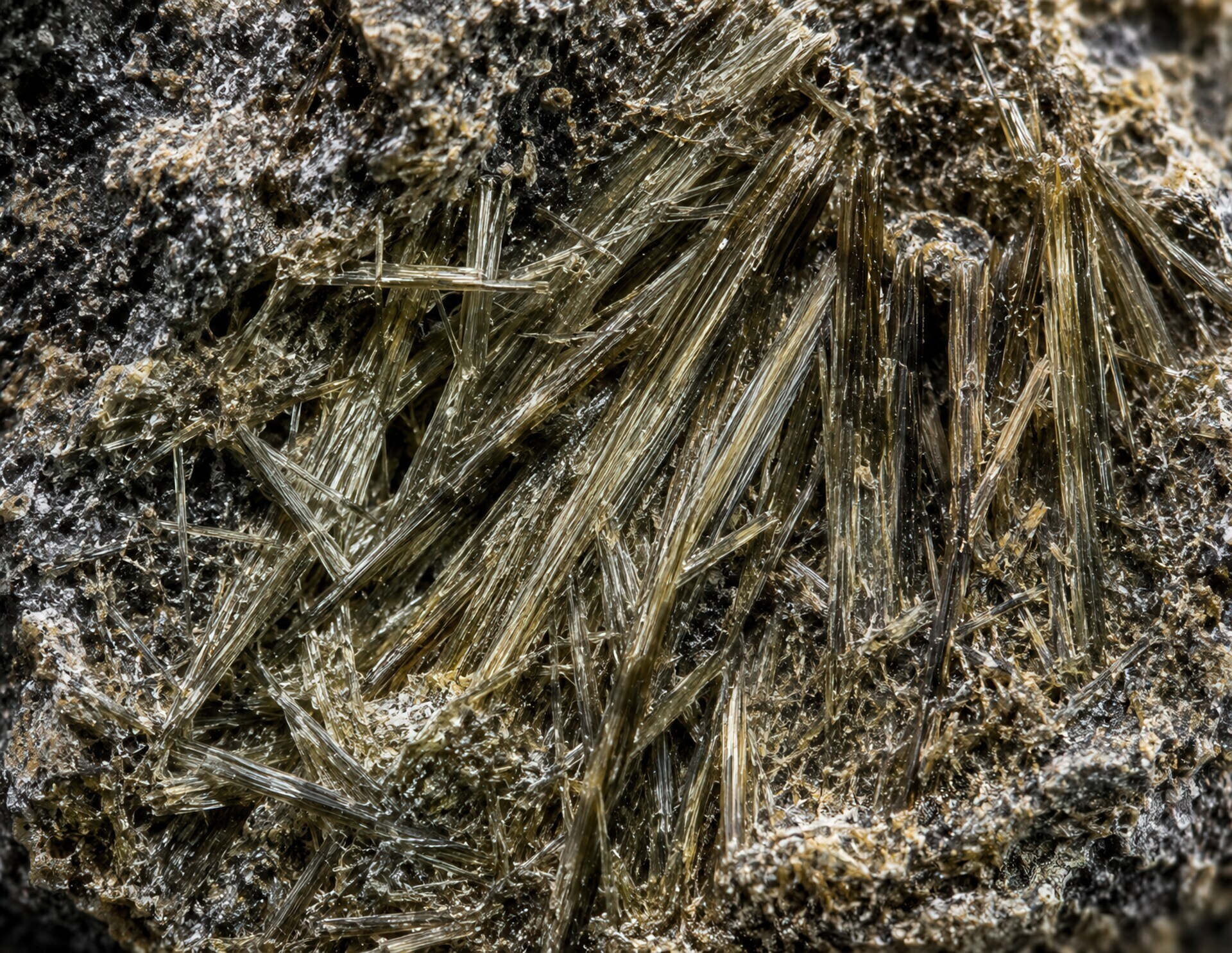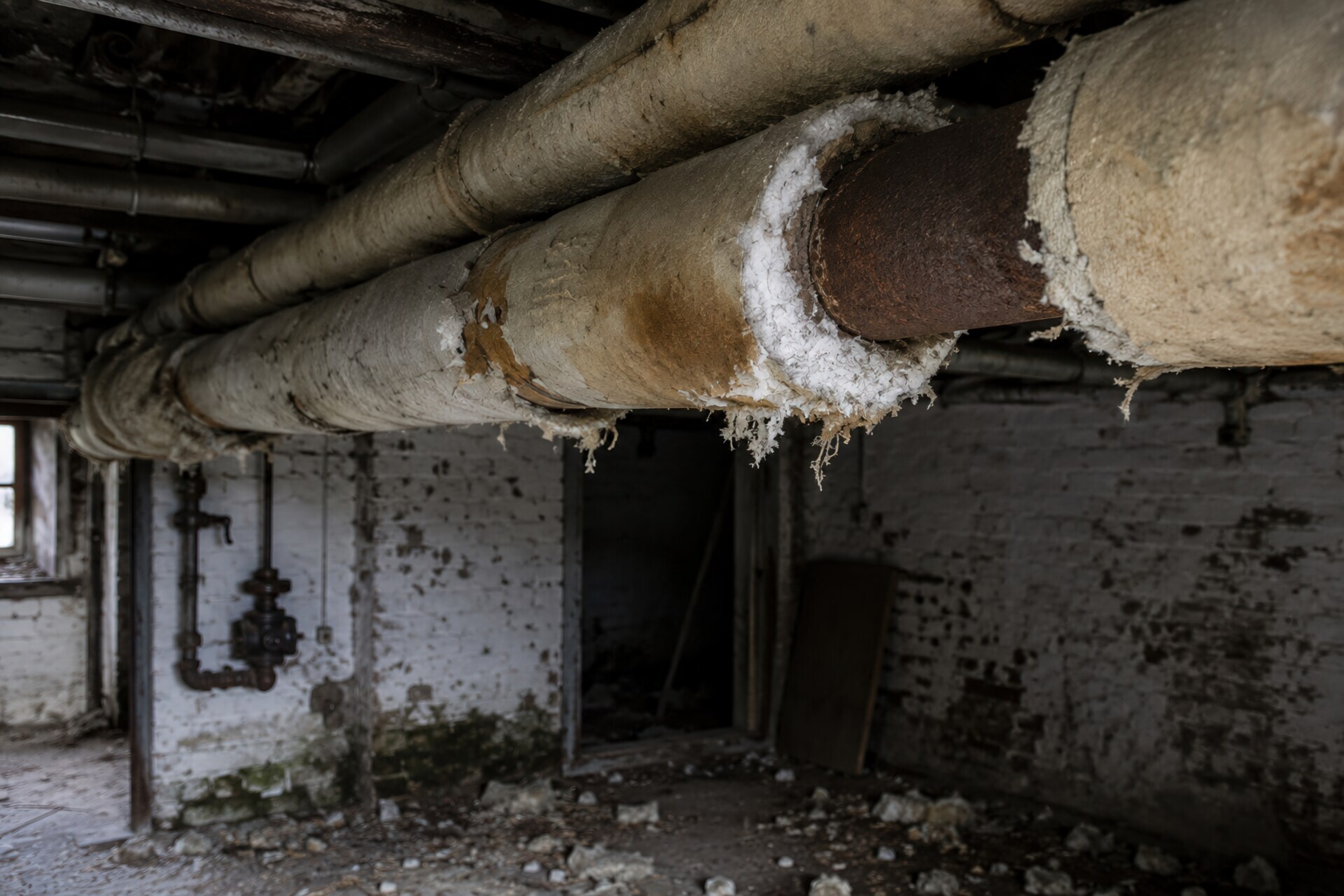


Renovating an older property in Stechford can uncover materials that were installed long before today’s safety expectations were established. Insulation boards, textured coatings, cement products, floor tiles, pipe lagging and garage panels may look ordinary, yet some can contain asbestos. The safest approach is to treat uncertainty seriously, pause before disturbing suspect materials and arrange suitable asbestos testing before work begins.
Asbestos is not dangerous simply because it exists in a building. The risk increases when fibres are released into the air through drilling, sanding, cutting, breaking or careless removal. A planned project therefore needs a clear sequence: identify materials that could be affected, assess their condition, obtain professional advice and decide whether they can remain in place, be managed safely or require controlled asbestos removal.
Why asbestos testing should come before renovation
Testing is particularly important when a Stechford property is being rewired, replumbed, extended or stripped back to its original structure. A visual inspection alone cannot reliably confirm whether a material contains asbestos. A competent surveyor can review the building’s age, construction methods and planned works, then take carefully controlled samples from relevant areas. Those samples are sent to a laboratory, and the results provide evidence for the next decision rather than relying on guesswork.
The scope of testing should match the work. A small bathroom alteration may affect different materials from a loft conversion or a commercial refurbishment. Tell the surveyor exactly what you intend to do, including where walls will be opened, floors lifted or ceilings accessed. This helps create a useful record for contractors and reduces the chance that an unexpected material stops the project halfway through. If you are comparing approaches, our guide to safer property repairs explains why early information matters.
Making sense of a positive result
A positive asbestos test does not automatically mean that every item must be removed. The condition, location, accessibility and likelihood of disturbance all matter. Materials that are intact and unlikely to be affected may sometimes be managed in place with clear records, labels and controls. Materials that are damaged, deteriorating or directly in the path of renovation may need a more involved plan.
Ask for the result to be explained in practical terms. You should understand which material was sampled, where it is located, what type of asbestos was identified if reported, and which activities could disturb it. Keep the survey and laboratory report with the project paperwork. Sharing those documents with everyone involved is a simple way to prevent a decorator, electrician or builder from unknowingly working through a controlled area.
Planning asbestos removal in a Stechford property
Where removal is necessary, use a suitably experienced and appropriately qualified asbestos contractor. The work plan should describe the material, the work area, enclosure or control arrangements where needed, protective equipment, waste handling, decontamination and the checks required before the area is returned to normal use. A good contractor will also explain what preparation is expected from the homeowner or principal contractor.
Do not sweep debris, use a household vacuum or place suspect waste in ordinary rubbish bags. The area should be kept isolated, with access restricted until the contractor confirms that the work is complete and the required clearance process has been satisfied. Asbestos waste must be packaged, transported and disposed of through the correct controlled route. For a broader overview of how removal decisions fit around building work, see our advice on safer building work.
Questions to ask before work starts
Before appointing anyone, ask whether the proposed service covers testing, removal or both, and whether the contractor has relevant experience with the specific material involved. Request a written scope, an explanation of exclusions, the expected timescale and a clear description of how the area will be controlled. You should also know who will coordinate with other trades and what documentation will be provided at completion.
Be cautious of unusually low quotations that do not explain sampling, enclosure, air monitoring, waste transport or clearance arrangements. Price is important, but a vague scope can create delays and additional costs later. A transparent quotation should make it possible to compare like with like and should leave you confident that the contractor understands the risks rather than simply offering a quick removal.
Keeping future occupants and trades informed
Once testing or removal is complete, retain the reports, photographs, waste documentation and any clearance certificate with the property records. If materials remain in place, record their location and condition so future owners and contractors can make informed decisions. This is especially useful when a property changes hands or when later work is planned in a loft, garage, utility room or extension.
Good asbestos management is ultimately about making decisions before disruption begins. By arranging appropriate asbestos testing, choosing a competent contractor and communicating the findings clearly, Stechford property owners can reduce avoidable exposure risks while keeping renovation plans organised. Our guide to preparing older buildings for testing and removal also highlights the importance of coordinating shared spaces and multiple occupants.
Local map
The map below shows the Stechford area for local project planning: