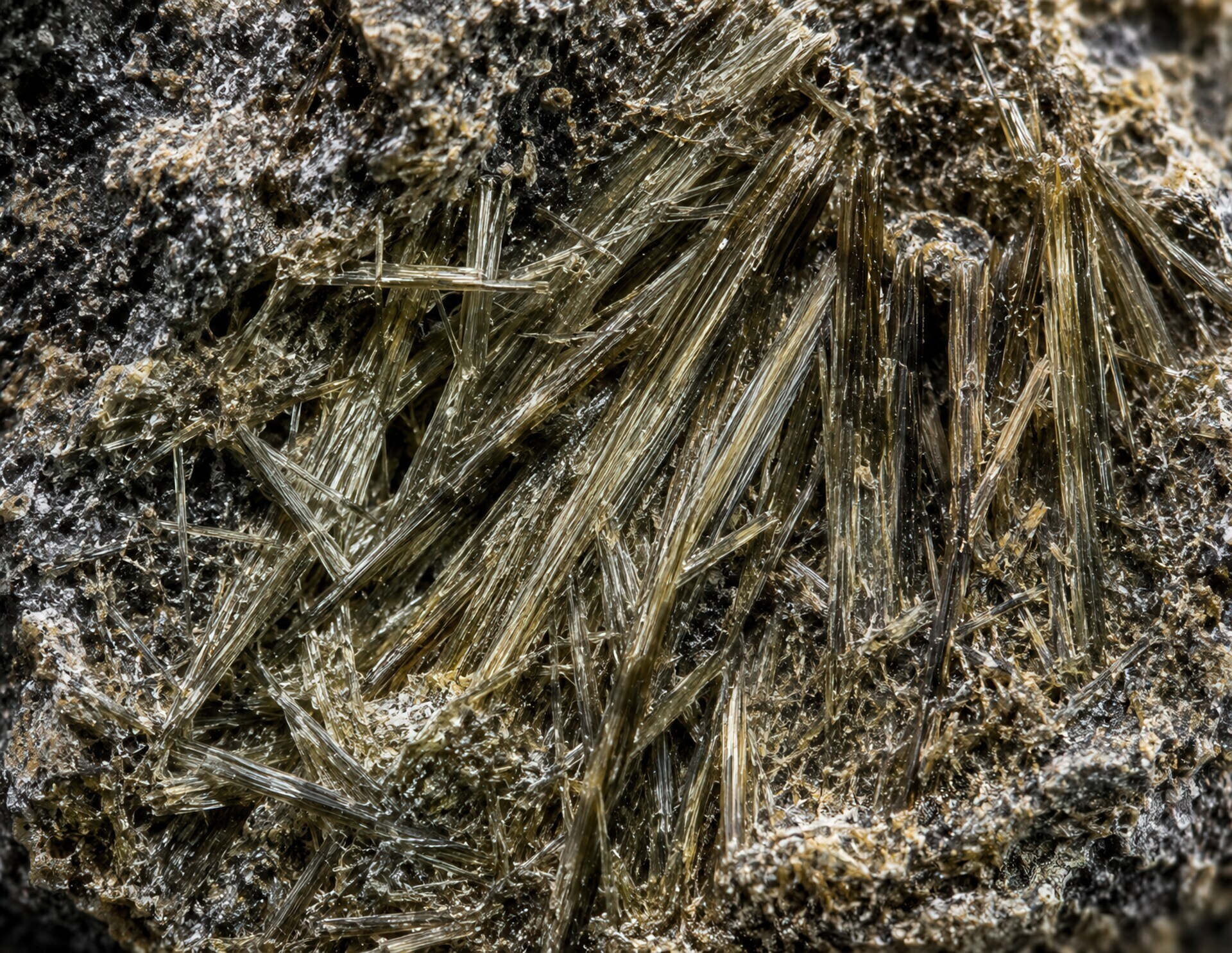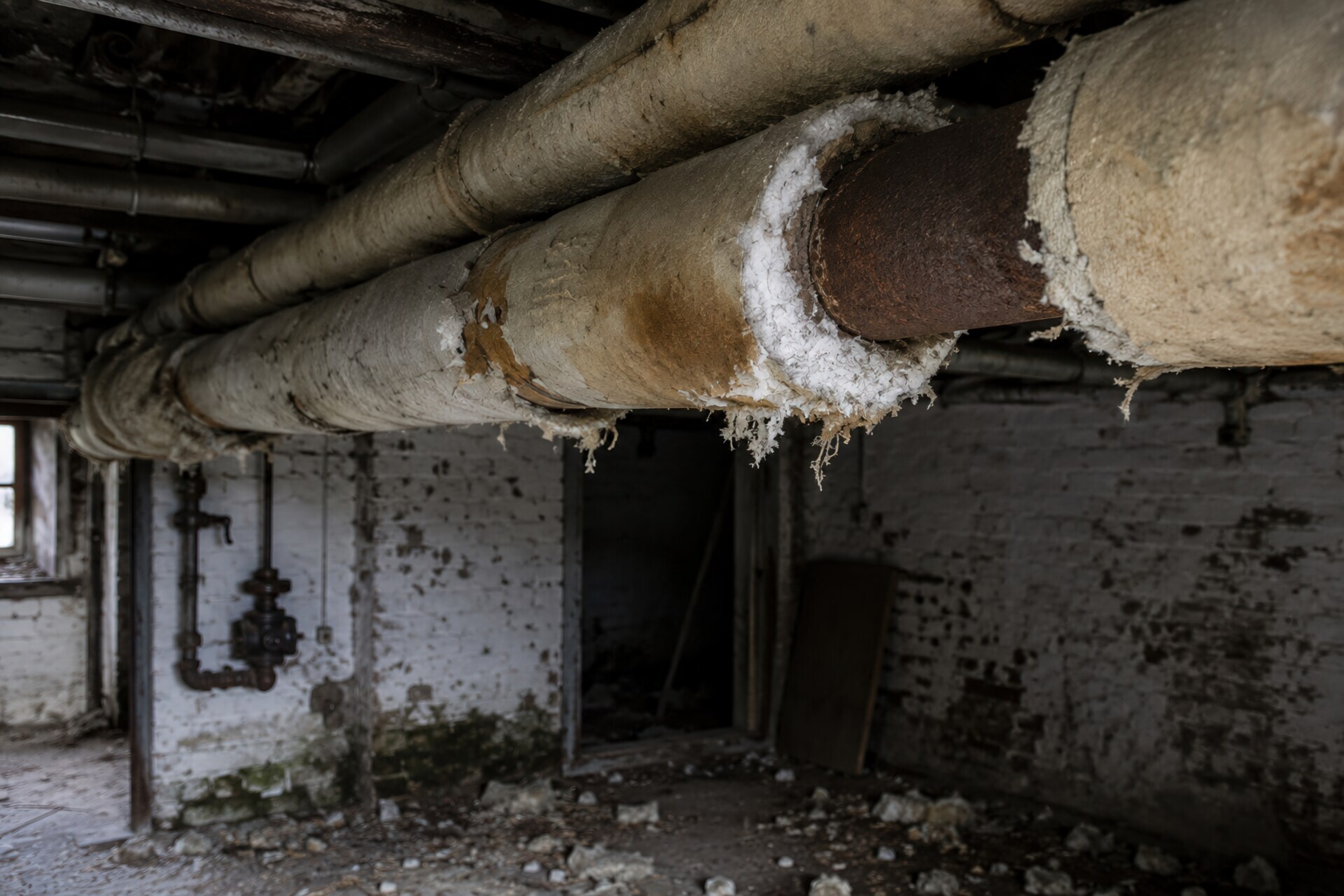


Homes and commercial properties in Yardley can contain asbestos materials if they were built or refurbished before the early 2000s. Asbestos may be present in textured coatings, soffits, garage roofs, floor tiles, insulation boards, cement products and older service enclosures. Most intact materials do not create an immediate problem when left alone, but drilling, sanding, cutting or breaking them can release hazardous fibres. A careful plan helps property owners avoid unnecessary disturbance and keeps renovation work moving safely.
Why asbestos testing should come before work
It is difficult to identify asbestos reliably by appearance alone. A material that looks like ordinary board, cement or adhesive may have a very different composition, and assumptions based on the building’s age can be misleading. Before removing a wall, replacing a ceiling, upgrading electrics or converting a garage, arrange an asbestos survey or targeted asbestos testing for the areas that could be affected.
A competent surveyor will consider the proposed work as well as the building itself. Samples should be taken carefully and sent to an appropriate laboratory where necessary. The resulting report can identify the material, its condition, its location and the recommended controls. This is much more useful than a broad guess because it allows contractors to price the correct method and prevents avoidable delays once work has started.
For a wider overview of preparation, see our guide to planning safer renovation work. The same principle applies in Yardley: understand what is present before anyone starts disturbing finishes, panels or hidden voids.
Common places asbestos may be found in Yardley properties
Older houses may contain asbestos cement in garage or outbuilding roofing, rainwater goods and flue components. Inside the property, textured decorative coatings, vinyl floor tiles, bitumen-backed flooring, insulating paper and some older partition boards can require attention. In communal buildings, asbestos insulating board may appear around service risers, boiler cupboards, fire doors or suspended ceiling details.
Commercial premises and workshops can have a more complicated history of alterations. Plant rooms, ducts, roof sheets and old electrical equipment may need a survey before refurbishment or strip-out. Even a small shop refit can involve drilling through a suspect panel or removing adhesive from a floor, so the work plan should identify asbestos risks before trades begin.
Condition is important, but it is not the only consideration. A sound material in a location that will be cut or removed may present a greater project risk than a labelled material that will remain sealed and untouched. Keep survey records accessible, tell every contractor what they cover and update the information if the scope of work changes.
How professional asbestos removal is planned
If testing confirms asbestos, the next decision is whether the material should be removed, enclosed, sealed or managed in place. That decision depends on its condition, the likelihood of future disturbance and the work being planned. Removal should be carried out by appropriately trained professionals using a method statement, suitable protective equipment, controlled access and measures to prevent contamination beyond the work area.
Good asbestos removal is more than taking a material out of a building. The team should establish a controlled zone, protect adjacent surfaces, use suitable tools and cleaning methods, package waste correctly and arrange disposal through the proper waste route. Air monitoring or clearance procedures may be needed for higher-risk work. At the end, request the documentation that confirms what was done and retain it with the property records.
Our article on preparing for refurbishment explains why sequencing matters. In practice, asbestos work should be completed and the area declared safe before follow-on trades return with plasterboard, cables, insulation or new finishes.
Questions to ask before appointing a contractor
Ask who will carry out the survey, what areas are included and whether the report matches the planned work. For removal, check the contractor’s experience with the material involved, the proposed controls, the waste arrangements and the handover documents. A clear written quotation should describe preparation, removal, cleaning, testing where required and disposal rather than presenting one unexplained total.
Be cautious of anyone who dismisses testing because a material “looks harmless”, offers to start immediately without discussing controls or cannot explain how contaminated waste will be handled. A professional will welcome questions and will stop work if unexpected material is uncovered. If the project changes, pause and reassess rather than allowing urgency to dictate an unsafe shortcut.
A safer project plan for Yardley
Start by listing the rooms, outbuildings and external areas that will be affected. Commission the appropriate survey, share the report with everyone involved and mark any confirmed or presumed materials. Build time into the programme for sampling, specialist removal, clearance and waste collection. This approach gives homeowners, landlords and businesses a clearer budget and reduces the chance of a last-minute stoppage.
For related guidance, read our advice on managing safer property repairs. Whether the job is a kitchen alteration, roof replacement, electrical upgrade or full renovation, early asbestos testing and properly planned asbestos removal provide a more controlled route from the first inspection to completion.