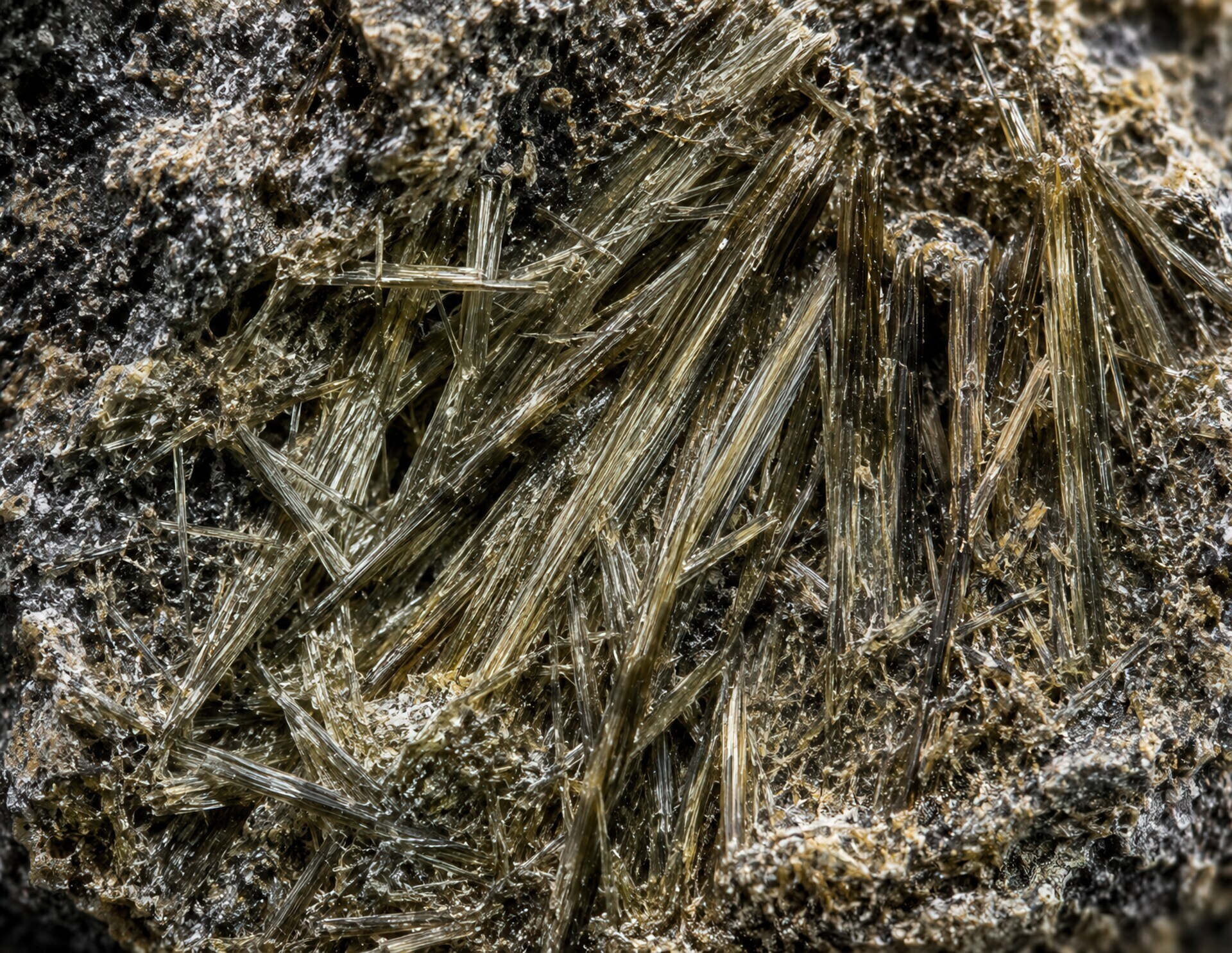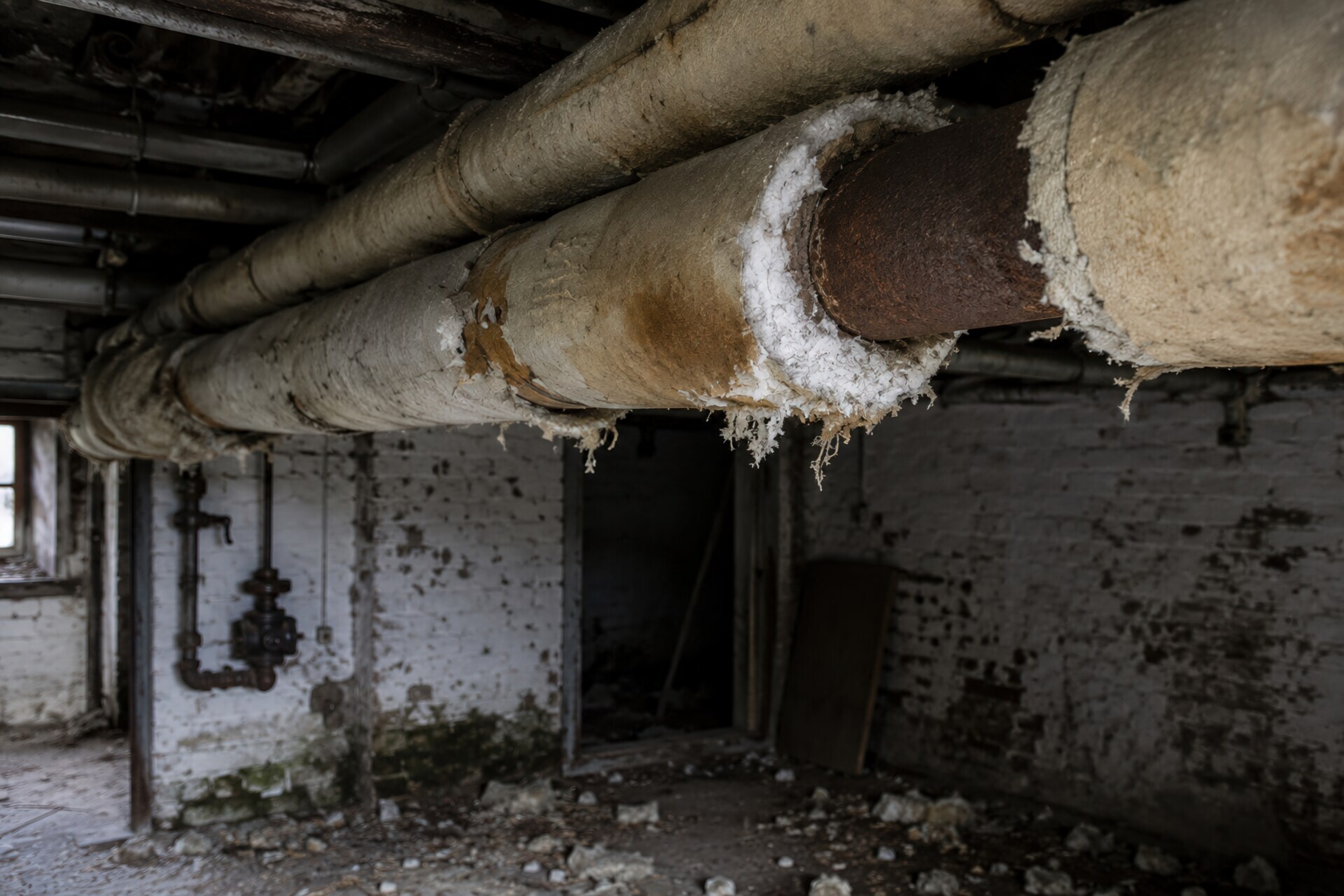


Renovating a property in Harborne can involve much more than choosing finishes and arranging trades. Homes, flats, shops and offices built or refurbished before asbestos was restricted may contain asbestos-containing materials in places that are easy to overlook. Roofing sheets, textured coatings, old floor tiles, insulation boards, pipe lagging, soffits and sprayed finishes can all require careful consideration before work begins. The important principle is simple: do not disturb a material merely because it looks old or harmless. Plan first, identify the risk, and use the right specialist support.
Why asbestos testing should come before renovation
Asbestos fibres are hazardous when damaged or disturbed, but the material may remain concealed behind modern finishes for decades. A planned kitchen alteration, rewiring project or loft conversion can expose layers that were not visible during the initial survey. Even a small drilling job can create unnecessary risk if the wall, ceiling or board contains asbestos. A targeted asbestos survey or sample analysis gives property owners a clearer basis for deciding what can stay in place, what needs controls, and what must be removed before the main project starts.
Testing is particularly valuable when records are incomplete or when a building has changed hands several times. A competent professional can assess the age, condition and likely use of materials, take samples safely where appropriate, and provide a report that identifies the location and condition of any asbestos. For larger commercial or shared buildings, the information can also help owners coordinate contractors and communicate responsibilities to tenants, caretakers and maintenance teams. For context on preparing older homes, our guide to asbestos planning for older properties explains why early information matters.
Common materials to consider in Harborne properties
Harborne contains a mixture of housing styles, extensions and converted buildings, so there is no single checklist that suits every address. Older garages and outbuildings may have corrugated cement roof sheets, gutters or wall panels. Inside the property, asbestos can sometimes be present in vinyl floor tiles, adhesive, textured decorative coatings, partition boards, airing-cupboard panels and fire-resistant materials around boilers or electrical equipment. Commercial premises may also have ceiling tiles, service riser boards, insulation and fire doors that need assessment before a fit-out or strip-out.
Visual appearance alone is not a reliable way to identify asbestos. Two materials can look almost identical while having completely different compositions, and a product that appears sound may still need management if future work will disturb it. Avoid sanding, scraping, cutting or removing suspect materials yourself. Keep the area undisturbed, tell everyone involved in the job, and make sure contractors receive the relevant survey information before they price or schedule their work.
When asbestos removal is the right next step
Testing does not automatically mean that every asbestos-containing material must be removed. If a product is in good condition and will remain undisturbed, management in place may sometimes be the safer and more proportionate option. Removal becomes more likely when the material is damaged, likely to be impacted by planned work, difficult to seal or maintain, or located where regular access will cause deterioration. The decision should follow the findings of the survey and the proposed scope of work rather than an assumption that removal is always necessary.
Where removal is required, use a suitably competent contractor with the right training, equipment, enclosure and waste arrangements for the material involved. A responsible removal plan should set out how the work area will be isolated, how contamination will be controlled, how materials will be packaged and transported, and how the area will be cleared afterwards. Property owners should ask what documentation will be supplied at completion, including waste records and any clearance or inspection evidence relevant to the job. Our article about preparing shared buildings for asbestos work covers the extra coordination that may be needed where several occupants or contractors are involved.
A sensible project sequence for homeowners and landlords
Start by describing the proposed work in practical terms: which rooms will change, whether walls or ceilings will be opened, whether services will be moved, and whether demolition is involved. Share that scope with the surveyor so the assessment reflects the actual project. Next, keep suspect areas untouched until results are available. Once the report arrives, ask questions about any limitations, inaccessible spaces or recommendations for further sampling. This prevents a partial survey from being mistaken for a guarantee that every material in the building is asbestos-free.
Landlords and managing agents should also plan for communication. Tenants need clear instructions about areas that are out of bounds, while trades need access to the survey and a realistic method statement. Neighbours may need notice if external work involves scaffolding, roof sheets or controlled waste removal. For commercial refurbishments, arrange responsibilities in writing so that the client, principal contractor and specialist asbestos contractor understand who is providing information and who is controlling the work area. A structured approach reduces delays and helps keep decisions based on evidence rather than guesswork.
Choosing asbestos removal and testing support
When comparing quotations, look beyond the headline price. Ask whether the quote covers sampling, laboratory analysis, removal, disposal, clearance and reinstatement, or only one part of the process. Confirm that the contractor understands the property type and the materials likely to be affected. It is also sensible to ask how unexpected discoveries will be handled: work should stop safely, the material should be isolated, and the plan should be reviewed rather than improvised.
Good preparation makes asbestos work more predictable. By arranging testing before renovation, keeping accurate records and using appropriately qualified specialists, Harborne property owners can protect occupants, tradespeople and future buyers while keeping the wider project moving. If your plans involve demolition or a substantial strip-out, our guide to planning asbestos controls for demolition work is a useful related reference.
Map of Harborne
The map below shows the Harborne area for local project planning: