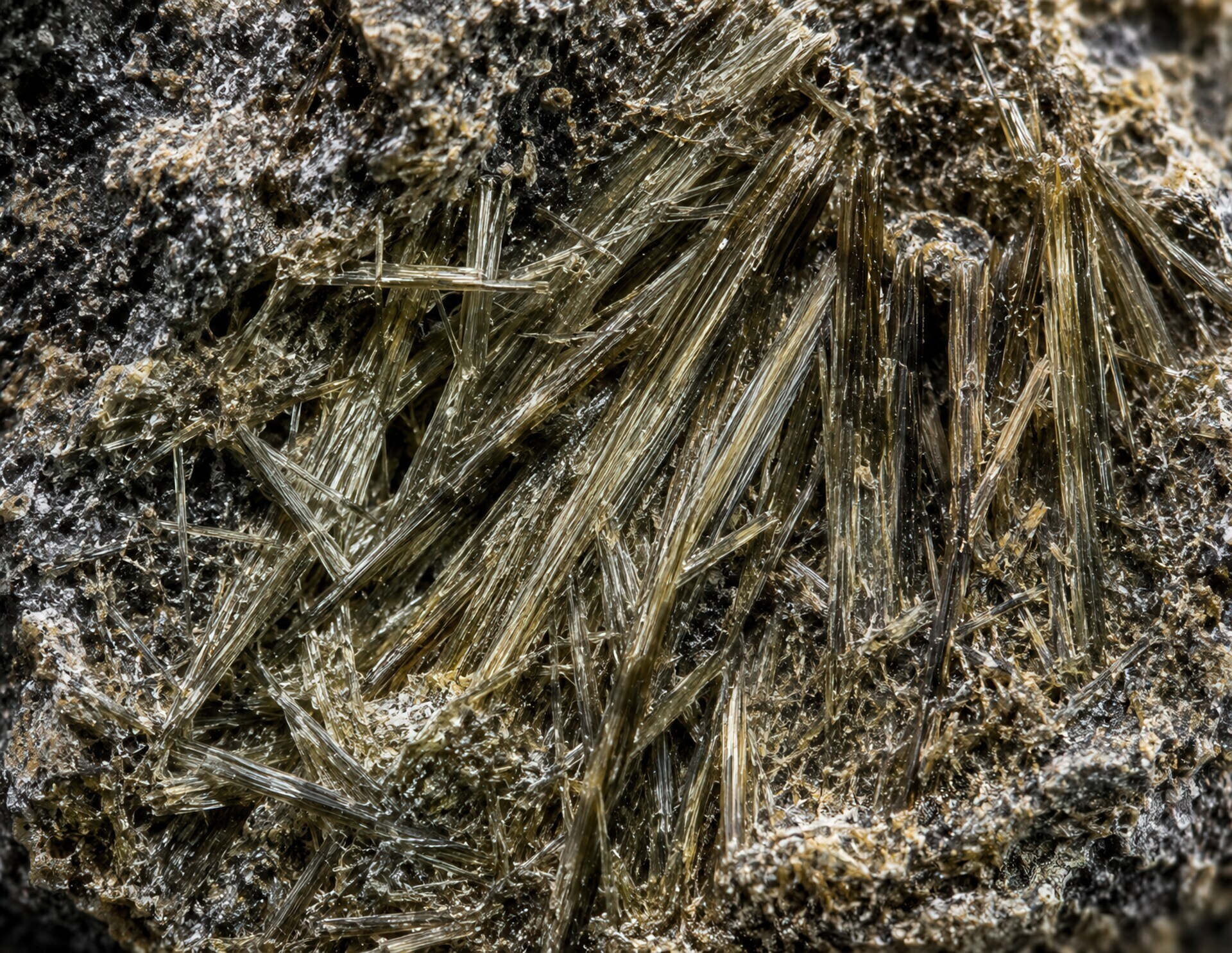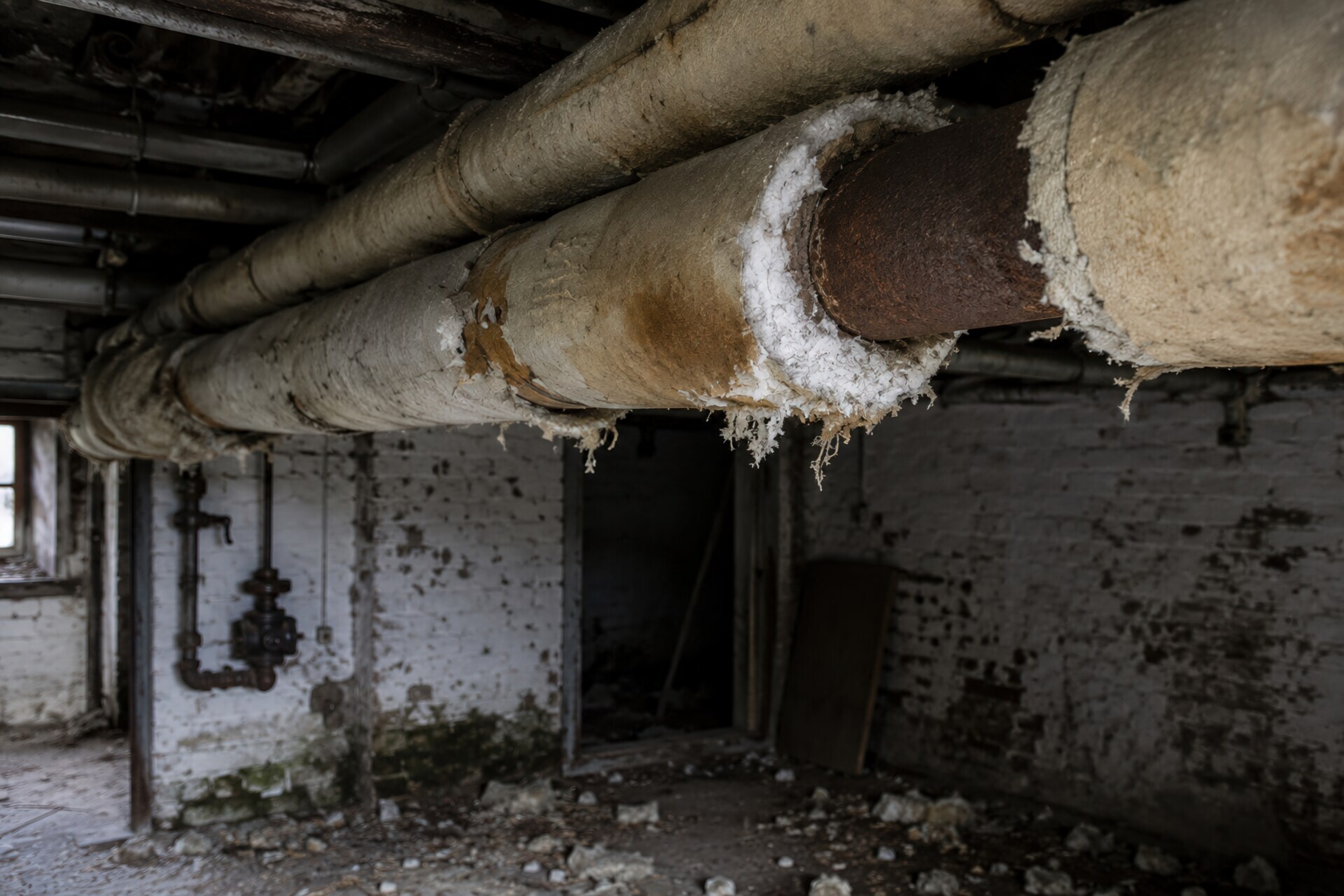


Extensions, loft conversions and garage conversions in Longbridge can disturb materials installed many years before the UK asbestos ban. Insulation board, textured coatings, cement sheets, floor tiles, pipe insulation and service components may all contain asbestos, including products hidden behind later finishes.
Testing before builders begin gives the project team reliable evidence. If asbestos is identified, the results support a decision to manage, encapsulate or remove the material using controls suited to its condition and the proposed work.
Start with accurate drawings and a complete scope
Mark every wall, ceiling, floor, roof area and service route affected by the conversion. Include temporary openings, demolition, electrical work, plumbing and ventilation. Existing asbestos records may be useful, but they may not cover concealed spaces that will be opened by the new design.
For background on where these materials came from, read the history of asbestos in buildings. Its broad historical use is one reason a project-specific assessment matters.
Commission the right asbestos survey
A management survey is intended for normal occupation and routine maintenance. An extension or conversion that disturbs building fabric generally needs a refurbishment survey of all affected areas. The survey must be sufficiently intrusive for the actual construction plan.
A competent surveyor may collect representative samples under controlled conditions and send them to a suitable laboratory. The report should record locations, findings, material condition and recommended actions. Suspect areas should remain untouched while laboratory results are pending.
Use the findings to make proportionate decisions
Not every asbestos-containing item must be removed immediately. Intact material outside the project area may sometimes remain under a documented management plan. Material that is damaged or will be cut, enclosed or made inaccessible by the conversion may require treatment or removal first.
Owners should not take their own samples or ask general trades to remove small sections. This article on the risks of DIY asbestos removal explains how contamination can spread into occupied rooms, equipment and vehicles.
Integrate removal into the construction programme
A competent contractor should prepare a plan describing restricted access, containment, removal methods, cleaning, decontamination and hazardous-waste transport. It should state whether licensing, notification, air monitoring or independent clearance is required.
Complete the relevant asbestos work before other trades enter the area or new finishes cover the structure. Allow time for any specified clearance process so the main programme does not pressure workers into entering early.
Review protective measures and access
Personal protective equipment must be suitable and correctly used, but it cannot substitute for controlling fibre release. Learn how PPE supports safe asbestos removal alongside containment and careful handling.
Plan how workers and waste will enter and leave without crossing occupied areas where possible. Keep residents, children, pets and unrelated contractors away from the work zone, and consider how ventilation openings and shared access points will be protected.
Retain evidence for the completed conversion
Keep the survey, laboratory certificates, plan of work, waste consignment notes and any air-testing or clearance documentation. Update the asbestos record to show what was removed and the exact location of anything remaining after the project.
If suspect material is damaged unexpectedly, stop work, restrict access and avoid sweeping or using an ordinary vacuum cleaner. Do not move dusty tools or clothing through clean areas. Obtain competent advice before clean-up or re-entry.