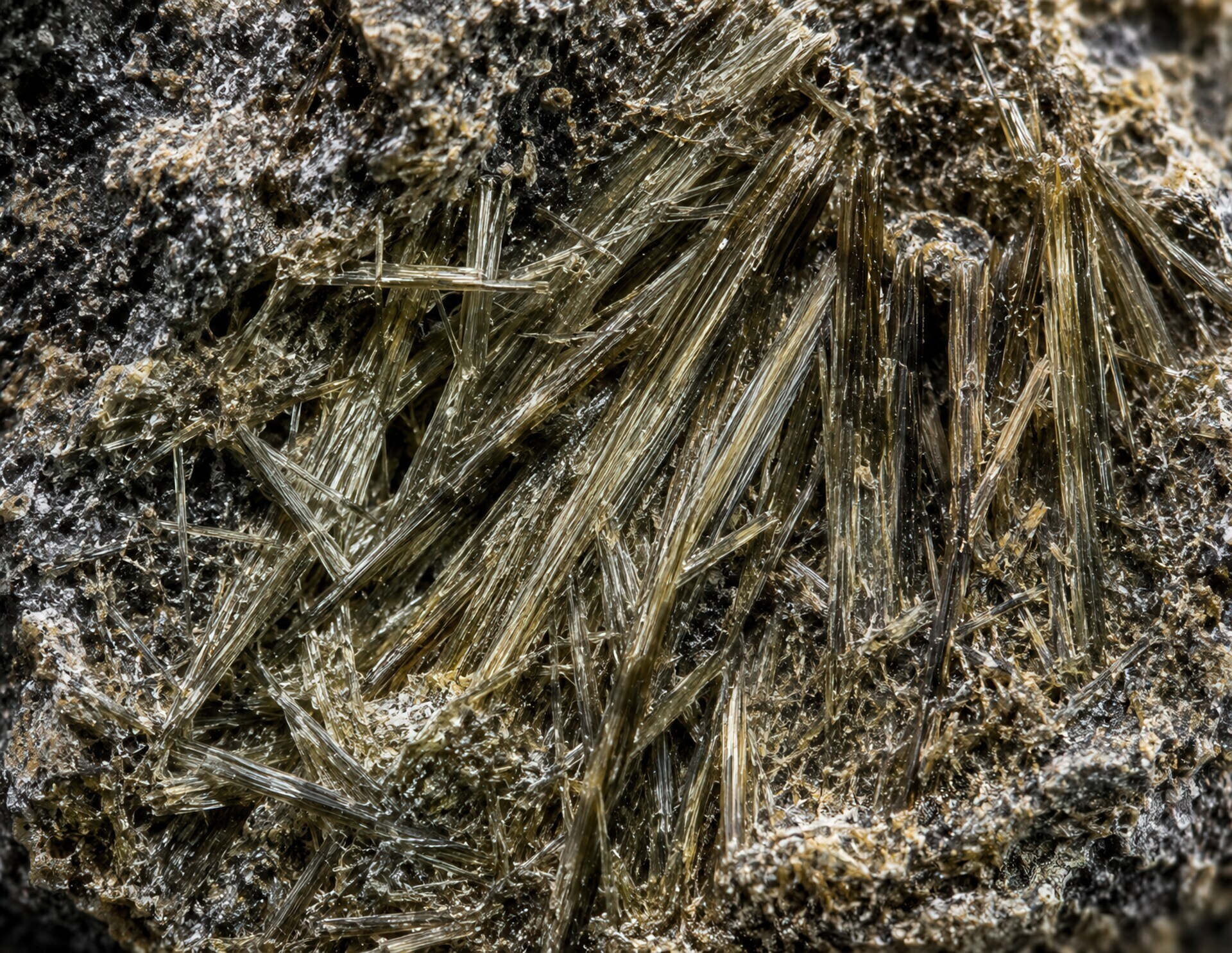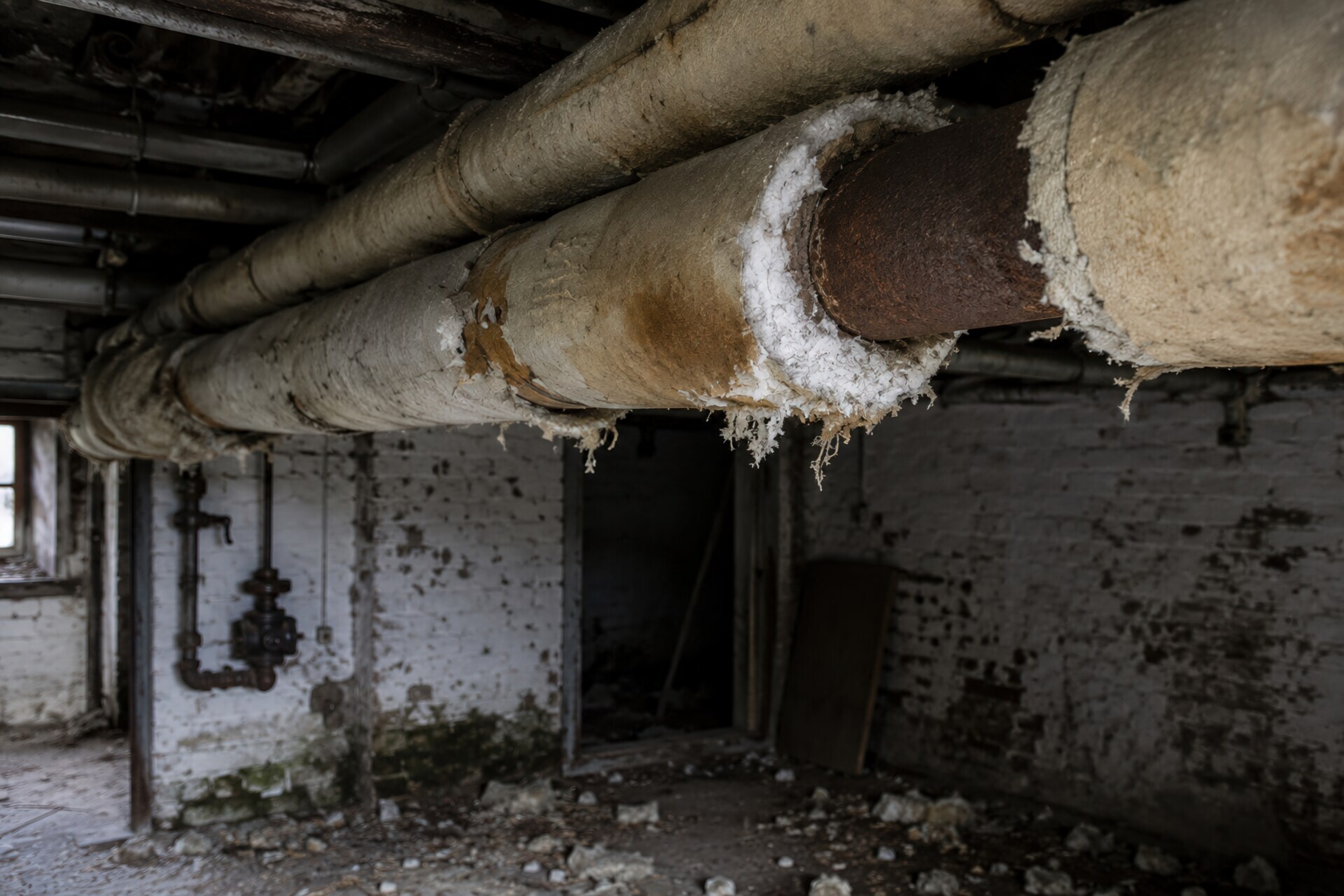


Industrial units and workshops in West Bromwich may contain asbestos products installed before the UK ban. Roofing sheets, wall cladding, insulation board, sprayed coatings, pipe insulation, gaskets and fire-protection materials can all be encountered during repairs or alterations.
These products cannot be identified reliably by appearance. Professional asbestos testing before intrusive work gives landlords, occupiers and contractors evidence for a suitable plan and helps prevent an unexpected discovery from stopping the project.
Define every repair activity
Prepare a scope that includes roofing, wall panels, plant rooms, service ducts, mezzanines and external structures. Include enabling works such as drilling, cable installation, pipe replacement and access openings. A management survey may not cover concealed areas exposed by the new repair.
Understanding why asbestos is hazardous helps project teams recognise why cutting, sanding or breaking an unidentified material must be avoided.
Match asbestos testing to the work
Routine occupation and maintenance are normally supported by a management survey. Intrusive repair or refurbishment may require a targeted refurbishment survey of the affected building fabric. Give the surveyor drawings, access information and the complete contractor scope.
A competent person should collect representative samples under controlled conditions and send them to a suitable laboratory. The report should identify each location, analytical result, material condition and recommended action. Keep suspect areas undisturbed until results are returned.
Decide whether materials can remain
An intact asbestos-containing product outside the repair zone may sometimes remain under a documented management plan. Materials that are damaged, exposed to vibration or weather, or directly affected by the work may need enclosure, encapsulation or controlled removal.
Maintenance staff should not collect informal samples or remove small pieces. This guide to the risks of DIY asbestos removal explains how contamination can spread through workwear, tools, vehicles and shared industrial spaces.
Review contractor controls
A competent contractor should provide a written plan covering restricted access, isolation, containment, removal methods, cleaning, decontamination and hazardous-waste transport. The document should explain whether licensing, notification, air monitoring or clearance procedures apply.
Personal protective equipment must be selected for the task and used correctly, but it cannot replace controls at source. Read how PPE supports asbestos removal alongside dust suppression, containment and safe handling.
Coordinate production and access
Agree whether operations must stop, relocate or continue behind suitable separation. Consider delivery routes, shared yards, ventilation systems and emergency exits. Keep employees, visitors and unrelated contractors away from the controlled area.
Schedule asbestos work before other repair teams enter. If the scope expands into a space not covered by the survey, pause and arrange further assessment rather than relying on assumptions from adjacent areas.
Retain an auditable record
Keep the survey, laboratory certificates, plan of work, waste consignment notes and any monitoring or clearance documents. Update the asbestos register after completion and communicate the location of remaining materials to future maintenance teams.
If suspect material is damaged unexpectedly, stop work and restrict access. Do not dry sweep or use an ordinary vacuum cleaner. Avoid moving dusty equipment through clean areas and obtain competent advice before clean-up or re-entry.