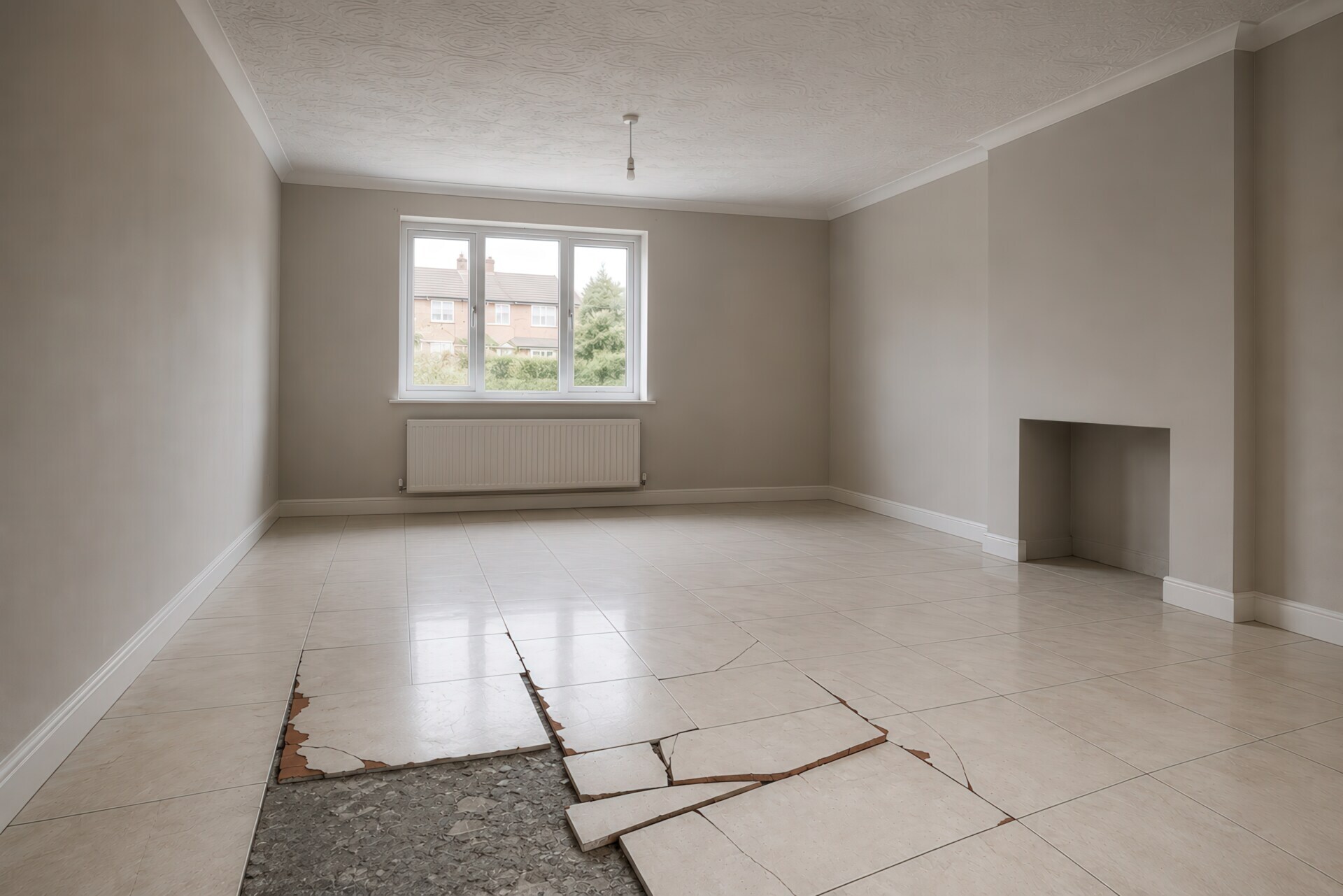
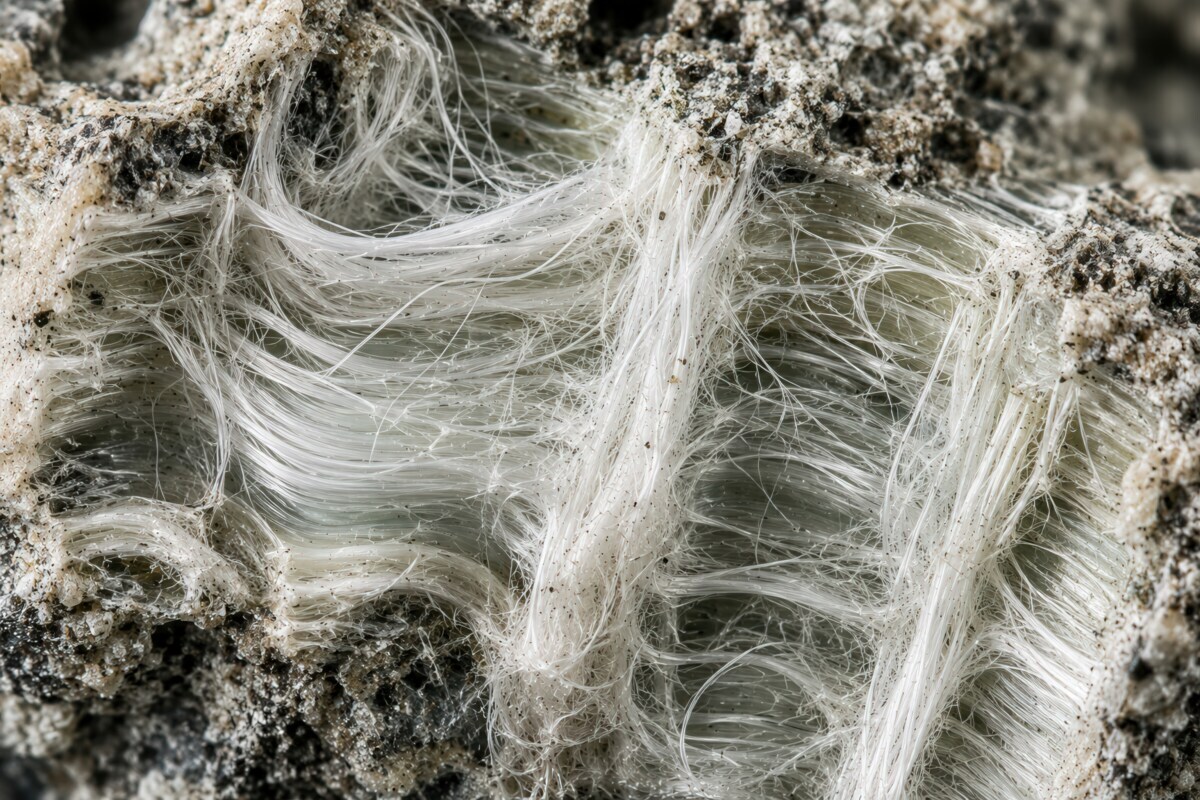
Renovating a home in Mere Green can involve more than choosing finishes, arranging trades and setting a budget. Properties built or altered before asbestos controls became standard may contain asbestos-containing materials in places that are easy to overlook, including textured coatings, insulating boards, old floor products, soffits, garage panels and service ducts. These materials are not automatically dangerous when intact, but drilling, sanding, cutting or removing them can release fibres into the air.
A sensible project begins with information rather than assumptions. If refurbishment will disturb fabric, a structured survey and laboratory-led testing can help identify what is present, where it is located and how it should be managed. This gives homeowners, landlords and contractors a clearer basis for planning the work and deciding whether specialist asbestos removal is required.
Why asbestos testing should come before renovation
Asbestos can be hidden beneath later finishes, behind boxing or inside older building components, so appearance alone is not a reliable guide. A material that looks like ordinary board, cement or textured plaster may need professional assessment before it is disturbed. Testing is particularly important when a renovation involves removing ceilings, opening walls, replacing old heating systems, upgrading electrics or converting a garage or loft.
A competent surveyor will consider the age and construction of the property, the planned scope of work and the likelihood that materials will be disturbed. Samples should be taken carefully and sent to an appropriately equipped laboratory. The resulting report can record the material, its condition, location and recommended next action. It may confirm that a product is asbestos-free, identify a material that can remain in place under a management plan or show that controlled removal is needed.
Testing is also useful when plans change. A project that starts as redecoration can uncover damaged insulation or an unexpected layer beneath flooring. Pausing the work and obtaining advice is safer than treating an unknown material as harmless. For more background on arranging a survey and interpreting findings, see this guide to asbestos testing before property repairs.
Planning controlled asbestos removal in Mere Green
When testing identifies asbestos that will be affected by the renovation, the next step is a methodical removal plan. The scope should define the affected rooms or external areas, access arrangements, isolation measures, waste route and the responsibilities of everyone on site. Household members, tenants and other trades need to know when an area is restricted and what must not be moved or disturbed.
Specialist contractors should assess whether the work falls within licensed or non-licensed requirements and should use suitable control measures for the material and its condition. These may include enclosure, controlled removal techniques, protective equipment, dampening methods, specialist cleaning and carefully sealed waste. The correct approach depends on the survey findings; there is no universal technique that makes every asbestos product safe to remove.
Good preparation also prevents avoidable delays. Remove unnecessary furniture from the work zone where appropriate, protect routes that must remain in use and keep children and pets away from the area. Do not sweep dust, use a household vacuum or break suspect sheets into smaller pieces. If a material has already been damaged, limit access, avoid creating draughts and seek professional advice before attempting clean-up.
Coordinating homeowners, landlords and trades
Clear communication is one of the simplest ways to reduce risk. Share relevant survey information with the main contractor and every trade whose work could affect the identified material. A plumber planning to chase a wall, an electrician replacing a consumer unit and a carpenter fitting new cupboards may each need different information about the building fabric and the areas that are out of bounds.
Landlords should keep records of surveys, test results, decisions and completed work so that future maintenance teams have a reliable starting point. Homeowners should retain the same information, especially when selling, extending or carrying out further improvements. A written record can prevent repeated uncertainty and helps future contractors understand which materials were tested, which were left in place and which were removed.
What a safer Mere Green project looks like
A safer renovation is not necessarily the fastest-looking one on day one. It is the project that allows time for a proportionate survey, uses test results to guide decisions and gives competent people the information they need. It also includes realistic allowances for access, containment, waste handling, cleaning and any follow-up inspection required by the work plan.
If you suspect asbestos during a project, stop the activity that may disturb it and keep people away until the material has been assessed. Do not rely on a visual match with photographs or on a previous owner’s assumption. Professional asbestos removal and testing can help turn an uncertain discovery into a controlled, documented task, allowing the wider renovation to continue with greater confidence. Further planning ideas are available in this article about safer property improvements.
Mere Green property owners can use the map below to orientate local planning and access discussions. A map does not replace a survey, testing or a project-specific risk assessment, but it can be useful when coordinating visits and communicating the work area.