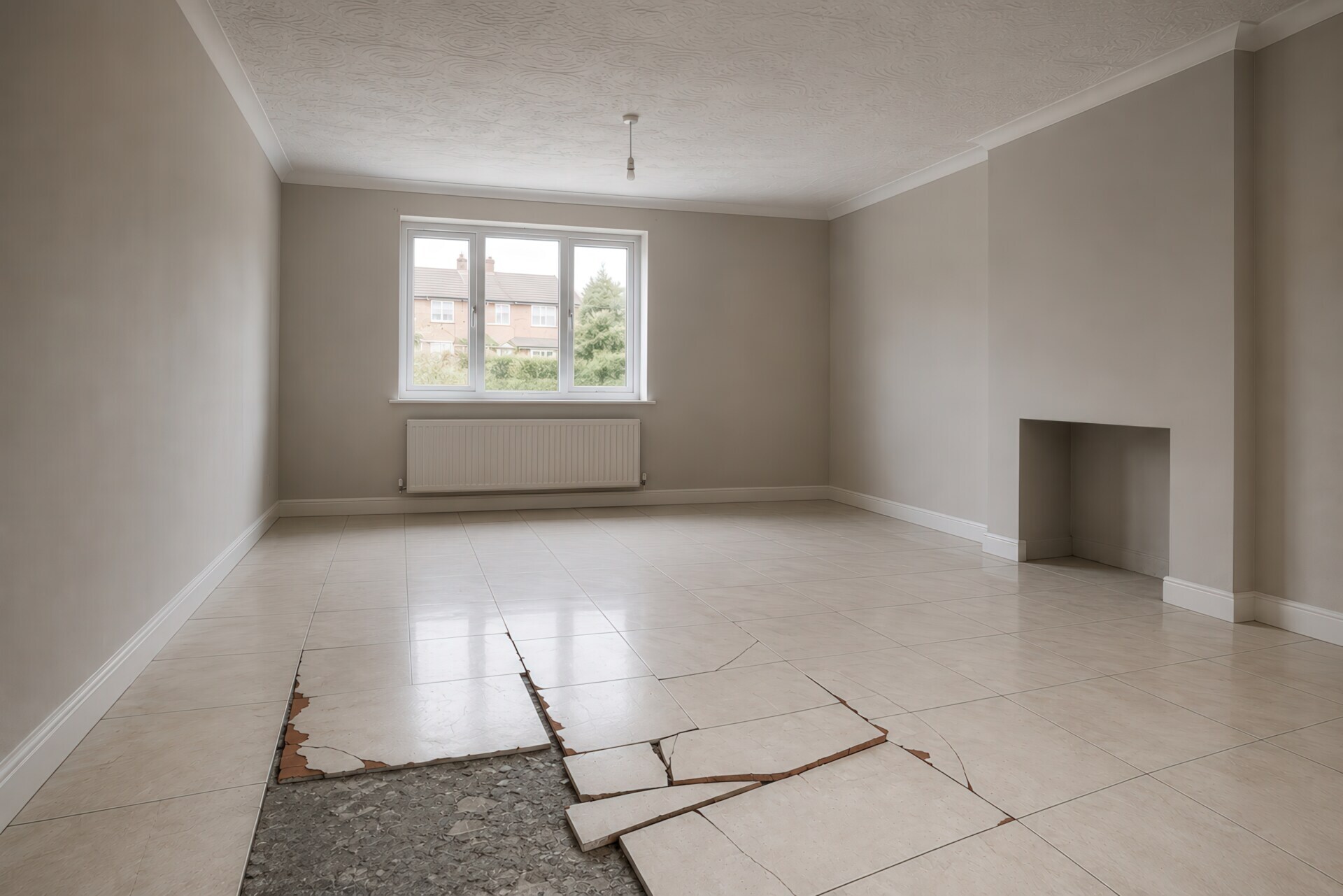
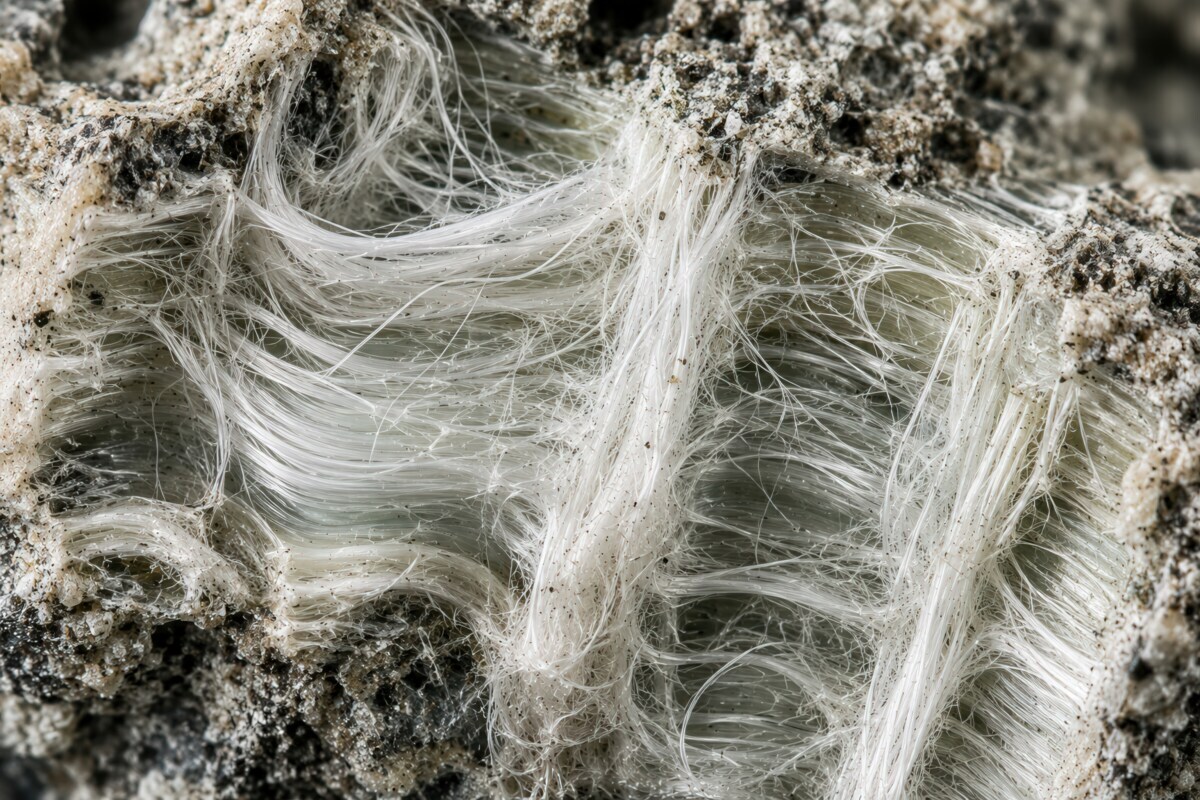
Property work in Solihull often begins with a straightforward plan: remove an old ceiling, update a kitchen, convert a garage or refresh an office. In buildings constructed or refurbished before asbestos use was phased out, however, hidden materials can change the order of work. Asbestos may be present in textured coatings, insulation boards, floor tiles, roofing products, lagging, panels and older service ducts. The material is not automatically dangerous when it is intact and left undisturbed, but drilling, sanding, cutting or breaking it can release fibres.
A sensible project therefore starts with information rather than demolition. Asbestos testing can establish what a suspect material is and help a homeowner, landlord or contractor decide how to manage it. Where asbestos is confirmed and the material must be disturbed, a planned asbestos removal process can keep the work controlled. This guide explains the practical stages for properties across Solihull, from the first inspection through to clearance and handover.
Why asbestos testing should come before renovation
Visual appearance alone is not a reliable way to identify asbestos. A grey board, stippled coating or cement sheet may resemble many non-asbestos products, while a material that looks harmless can contain fibres. Testing gives the project team evidence to work from, particularly when plans involve opening walls, lifting floors, replacing a boiler or removing old outbuildings. It also prevents the common mistake of asking a general builder to investigate or sample a material without the right controls.
A competent surveyor will consider the building’s age, construction, previous alterations and the proposed scope of work. Samples should be taken carefully, with appropriate precautions to avoid spreading dust. Laboratory analysis then identifies whether asbestos is present and, where relevant, the material type. The resulting report should explain the sample location, condition, accessibility and recommended action in plain language, so it can be shared with everyone involved in the renovation.
For landlords and commercial premises, documentation is especially valuable. It supports communication with tenants, maintenance teams and tradespeople, and it can become part of the property’s ongoing management record. For homeowners, it provides a clear decision point: leave an intact material in place and manage it, have it repaired or sealed, or arrange a controlled removal before the main project begins.
Planning asbestos removal in a Solihull property
Once asbestos has been confirmed, the next question is whether the material really needs to be disturbed. Some items can be managed in situ when they are sound, inaccessible and unlikely to be affected by the planned work. Removal may be more appropriate where the material is damaged, sits directly in the work area, prevents essential repairs or could be disturbed by future maintenance. The decision should be based on the survey findings and the project risk, not simply on a desire to remove every older product.
A removal plan should set out the work area, access arrangements, protective measures, waste route, cleaning method and the checks required before the space is returned to normal use. Occupants, neighbours and other contractors should know when the area will be restricted and who is responsible for keeping people out. In a family home, that may mean arranging alternative access or temporary accommodation; in a shop, school or office, it may require phased working and careful scheduling outside busy hours.
It is also important to separate asbestos work from ordinary refurbishment. Do not allow electricians, plumbers or decorators to begin in an area until the asbestos scope has been completed and the required clearance evidence is available. Rushing this handover can undo careful controls, particularly where dust could be carried into adjoining rooms on tools, clothing or building materials.
What controlled work should include
Professional asbestos work should be proportionate to the material and the risk, but it should always begin with a prepared and controlled work area. Typical measures include restricting access, protecting nearby surfaces, using suitable personal protective equipment, selecting methods that minimise fibre release and placing waste in approved, clearly labelled packaging. Workers should avoid actions such as dry sweeping, uncontrolled drilling and using ordinary household vacuums on suspected contamination.
After the material has been removed or made safe, the area needs a methodical clean and inspection. Depending on the type and scale of work, this may include visual checks, air monitoring or other clearance procedures carried out by an appropriately independent competent party. The purpose is to demonstrate that the work area is suitable for reoccupation, not merely to make it look tidy. Waste should be transported and disposed of through the correct route, with records retained for the property file.
Good communication matters throughout. Ask for the written plan, the intended controls, the handover arrangements and the paperwork you will receive. A reliable contractor should be able to explain these points without pressure or vague promises. If the scope changes after work starts—for example, a hidden board is uncovered behind a fixture—pause the affected task and reassess it rather than improvising.
Practical checks for homeowners, landlords and businesses
Before booking work, gather any previous surveys, refurbishment records and details of the areas that will be opened. Mark the rooms, roof spaces, garages or service cupboards affected by the project. Ask whether the survey covers the actual work area, because an older management survey may not be sufficient for planned intrusive refurbishment. Make sure the quotation states what is included, including preparation, removal, cleaning, waste handling and clearance.
During the project, keep visitors and unrelated trades away from the controlled area. Do not move suspect items yourself or store tools and household possessions next to an enclosure. If you notice damaged material, unexpected dust or a change from the agreed method, raise it immediately and wait for competent advice. Once the work is complete, retain the survey, laboratory results, completion paperwork and any clearance documentation with the property records.
Solihull includes a wide mix of older houses, extensions, commercial units and converted buildings, so the right approach will vary from one address to the next. Early testing and a carefully written plan make the work more predictable, protect occupants and help the rest of the renovation proceed with confidence. For an initial discussion about a suspected material or planned project, the Asbestos Removal Near Me team can help explain the next practical step.
Find Solihull asbestos removal and testing support
Use the map below to orientate your project within Solihull and the surrounding area. A local service can discuss the property type, the proposed work and whether testing, management or removal is the appropriate starting point. Never disturb a suspect material while waiting for advice.