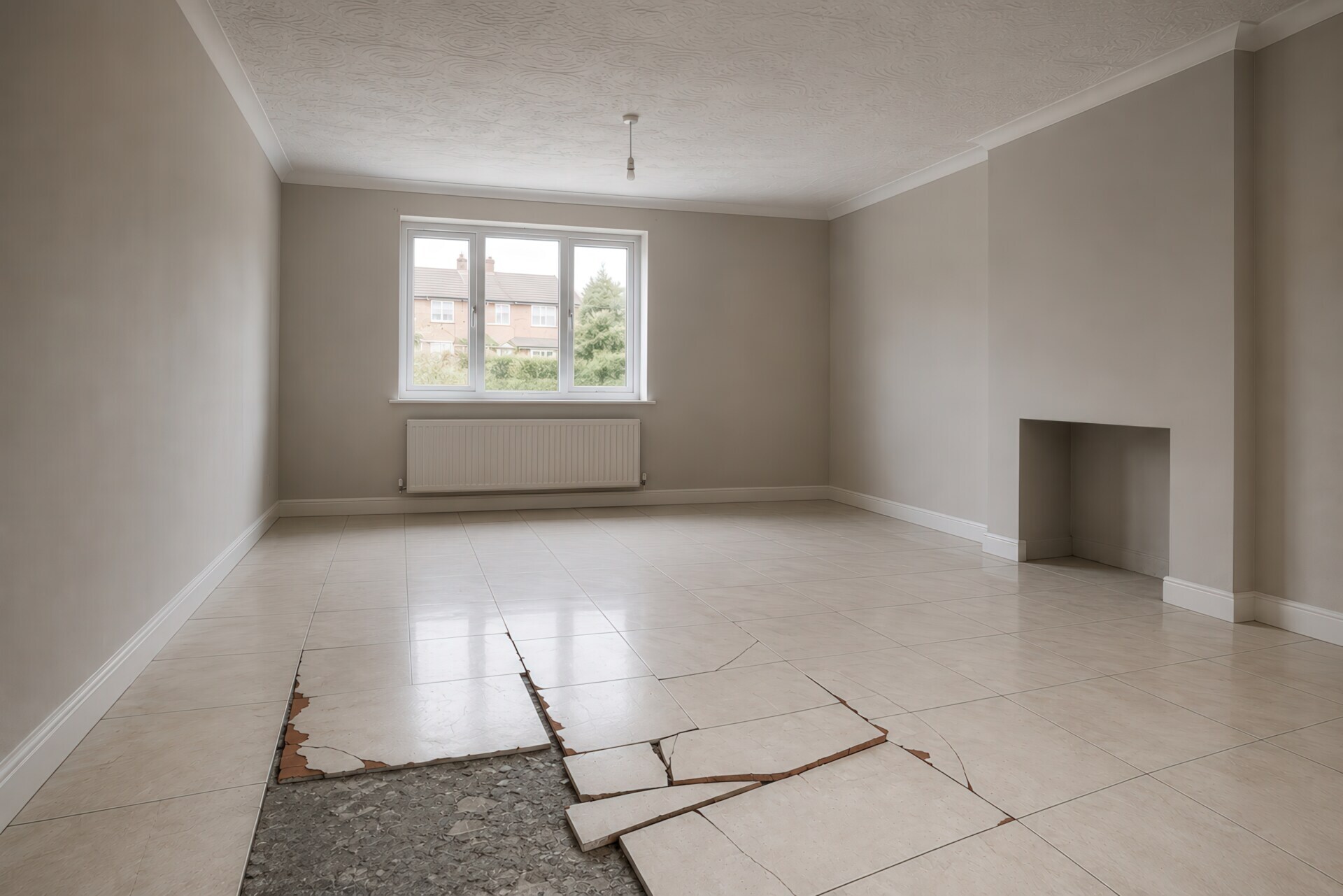
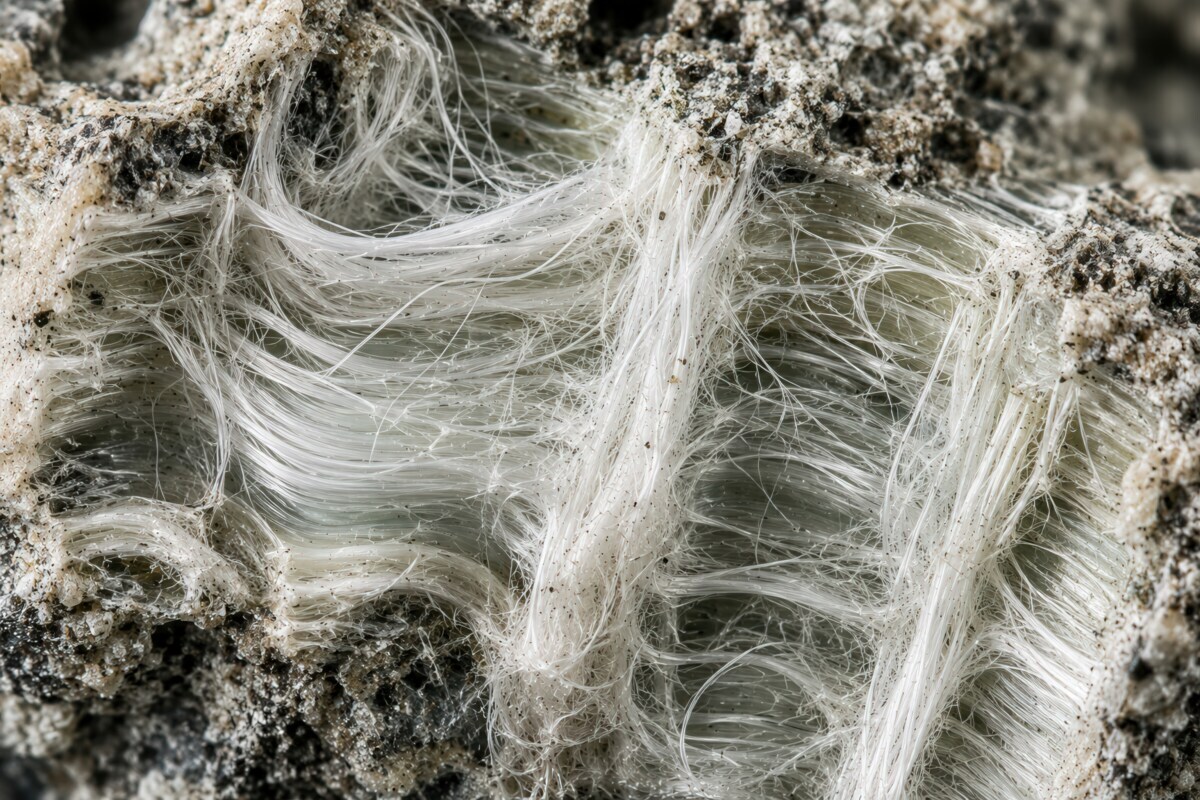
Properties in Rowley Regis range from established family homes and terraces to workshops, shops and converted commercial buildings. If a building was constructed or refurbished before the early 2000s, asbestos-containing materials may still be present in roofs, soffits, floor coverings, textured coatings, insulation boards or service ducts. The important point is not to guess from appearance. A careful plan combining asbestos testing with controlled asbestos removal can help owners, landlords and contractors make safer decisions before work begins.
Why asbestos testing should come before disruption
Asbestos is most hazardous when fibres become airborne. Drilling, sanding, cutting, stripping or lifting old materials can disturb fibres that have remained sealed and relatively stable for decades. A visual inspection alone cannot reliably identify asbestos, because many asbestos products look like ordinary cement, board, vinyl or insulation. Testing gives a project team evidence about what is present, where it is located and whether the material is damaged or likely to be disturbed by the proposed work.
For a Rowley Regis refurbishment, the survey scope should reflect the work rather than simply the size of the building. Removing a kitchen, opening a ceiling, replacing a consumer unit or converting a garage can each expose different materials. A competent surveyor can review plans, inspect accessible areas and arrange representative samples where appropriate. The resulting report should identify suspect materials, explain their condition and make clear which areas require further management before contractors start.
Landlords should also consider how information will be passed to tenants, maintenance staff and tradespeople. A short, accessible record of known asbestos materials can prevent someone from drilling into a panel or lifting a floor covering without realising its significance. For larger premises, an asbestos management plan should identify responsibilities, labelled locations, emergency arrangements and the process for updating records after repairs.
When asbestos removal may be the right option
Not every material that contains asbestos needs immediate removal. If it is in good condition, unlikely to be disturbed and can be managed safely, leaving it in place may be a sensible option. Removal becomes more likely when material is damaged, deteriorating, in a route used by workers, or directly within the footprint of planned alterations. The decision should follow the survey findings and the method of work, rather than being based on a general assumption that every old product must be taken out.
Where removal is required, the work should be planned around containment, controlled access, suitable equipment and appropriate waste handling. A professional team will explain how the area will be isolated, how dust and debris will be controlled, how surfaces will be cleaned and how the waste will be transported through the correct disposal route. Occupants should know which rooms, entrances or outside areas will be temporarily unavailable and when they can safely return.
It is also worth allowing time for preparation. Moving furniture, protecting retained finishes and coordinating electricians, plumbers or roofers can reduce the temptation to rush. The wider guidance in this property renovation planning guide can help owners think through sequencing before trades arrive.
Making a safer renovation plan in Rowley Regis
Start by writing down the planned work in plain language: what will be removed, what will be opened, which services will be isolated and where people will be working. This helps a surveyor and removal contractor focus on the actual risks. If the building has had several alterations, ask for attention to concealed voids, patch repairs and areas where newer finishes may hide older materials.
Obtain written quotations that describe the scope rather than comparing only headline prices. Ask whether the quotation includes sampling, enclosure or controlled work areas, air monitoring where needed, clearance procedures, waste documentation and any follow-up report. A clear scope makes it easier to compare like with like and reduces the risk of unexpected extras once the project is underway.
Communication is part of the control process. Tell everyone involved not to disturb suspect materials and provide a named contact for questions. If unexpected material is discovered, work should stop in that area while it is assessed. The experience of planning work in older properties nearby shows why flexibility and a documented pause procedure are useful during repairs.
What to keep after the work is finished
Keep the survey, laboratory results, plan of work, waste paperwork and clearance documentation with the property records. Future contractors can then understand what was inspected, what was removed and what remains. Take dated photographs of sealed or retained materials where useful, but do not rely on photographs instead of written records. If the property is sold or let, passing on relevant information supports safer decisions for the next occupier.
For homeowners, the practical message is simple: do not cut into an uncertain material just to keep a project moving. Arrange asbestos testing first, use the findings to decide whether asbestos removal or management is appropriate, and choose contractors who can explain their controls in a way that makes sense. Further background on preparing a controlled refurbishment is available in this renovation checklist.
Rowley Regis property work can be organised safely when investigation, communication and documentation are treated as part of the job from the beginning. Professional advice is particularly important where materials are damaged, concealed or likely to be disturbed. Never attempt to remove or alter suspected asbestos yourself.