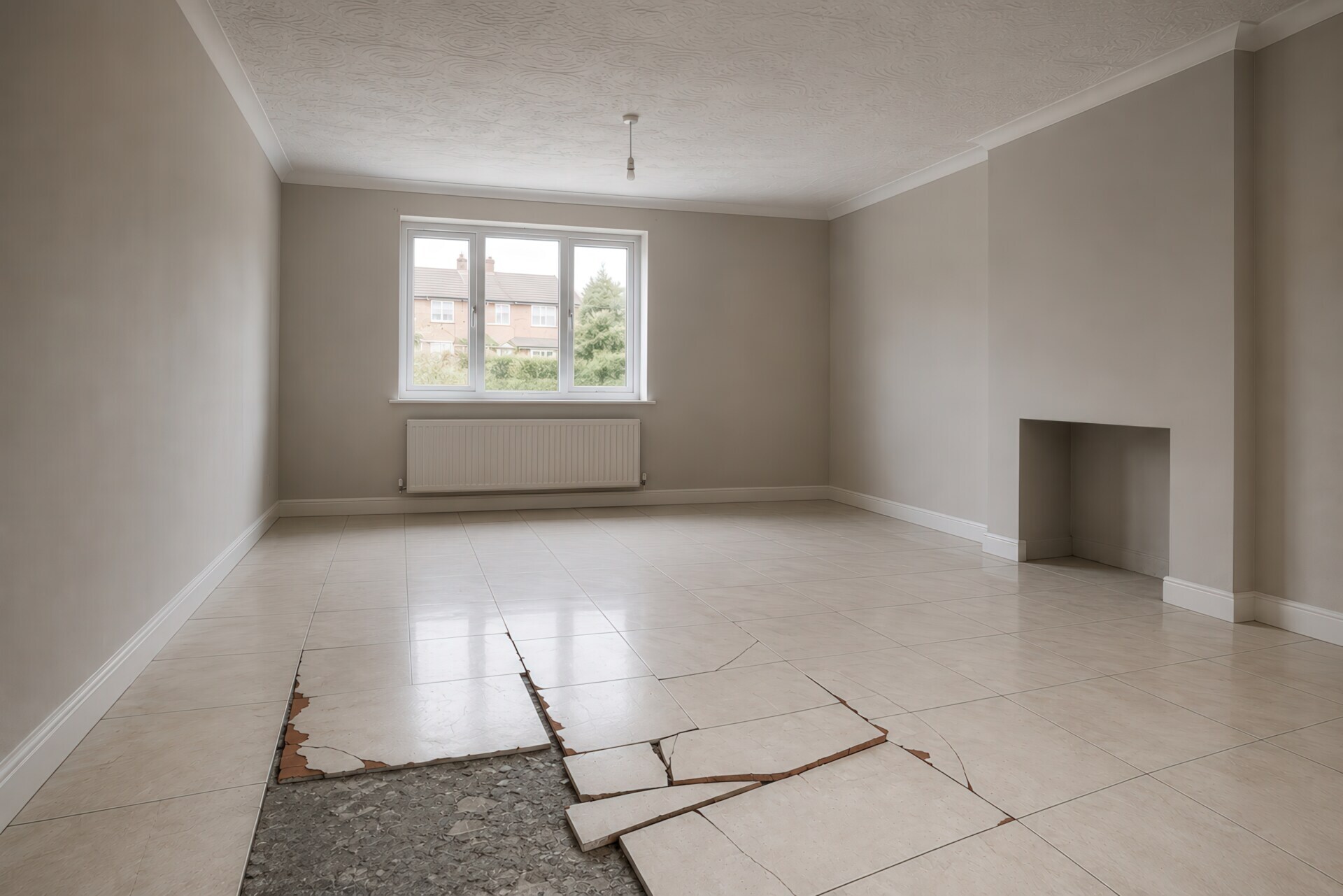
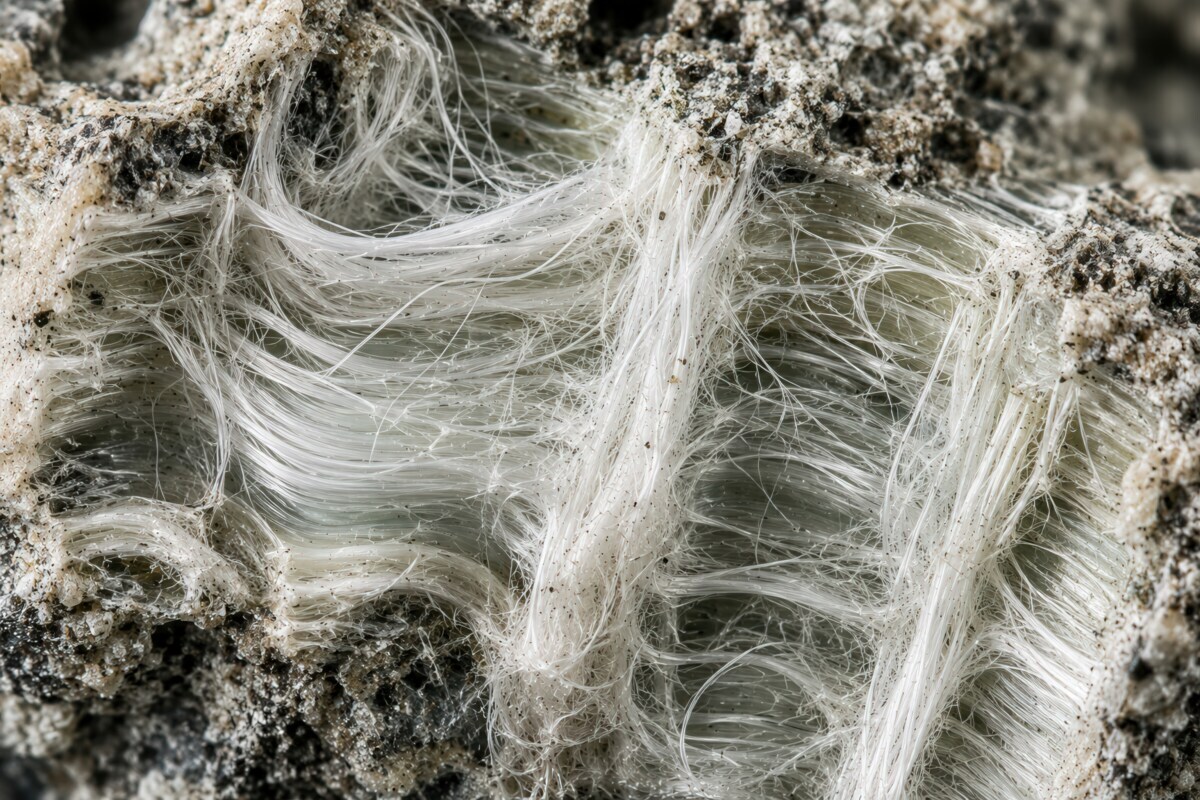
Home improvement work in Northfield can uncover materials that were installed decades before today’s safety standards were understood. Asbestos may be present in textured coatings, insulation boards, garage panels, floor tiles, pipe lagging and cement products. It is not possible to confirm whether a material contains asbestos simply by looking at it, and disturbing the wrong surface can release hazardous fibres. A careful plan begins with identifying risk before drilling, sanding, stripping or demolition starts.
Why asbestos checks matter in Northfield homes
Northfield includes a mixture of older terraces, post-war housing, extensions and converted properties. Alterations may have added several layers of materials over time, so a modern kitchen, loft conversion or bathroom refurbishment can involve fabric from very different building periods. Even a small repair can affect an old ceiling coating, partition board or adhesive. Keeping a record of the building’s age, previous renovations and planned work gives a surveyor useful context and helps prevent assumptions based on appearance.
Asbestos is only dangerous when fibres become airborne and are inhaled, but ordinary renovation activities can create that risk quickly. Cutting a panel, lifting flooring or scraping a textured finish may turn a stable product into a dusty work area. Homeowners should avoid taking samples themselves and should not sweep or vacuum suspected debris with ordinary equipment. If a material is damaged, isolate the area, keep people and pets away, and seek professional advice before work continues. The asbestos testing guidance explains why sampling should be planned and carried out by a competent professional.
When asbestos testing should come first
An asbestos survey is appropriate whenever planned work could disturb the building’s fabric. A refurbishment survey is generally more relevant for a bathroom replacement, rewire, new doorway or extension because it focuses on materials that the project may affect. A management survey has a different purpose: it helps identify and manage asbestos-containing materials during normal occupation and routine maintenance. The right scope depends on the property, the proposed work and the areas that will be accessible to the surveyor.
Testing may involve a controlled sample being sent to a laboratory for analysis. A useful report should identify the material, its condition, its location and the recommended next action. Results can support a clear decision: leave the material undisturbed, encapsulate it, arrange controlled removal, or redesign the work so it is not affected. Testing is not a substitute for safe planning, however. A negative result for one sample does not automatically prove that every visually similar material throughout a property is safe.
Before an appointment, prepare a simple list of the work you want to complete. Include rooms, cupboards, loft spaces, outbuildings and any areas where contractors will cut, drill or remove finishes. Tell the surveyor about water damage, previous repairs and inaccessible voids. Clear furniture where possible, but do not strip coverings or disturb suspicious materials to make the inspection easier. Good preparation improves the usefulness of the survey without increasing exposure.
How professional asbestos removal is planned
If asbestos is confirmed and removal is required, the work should be planned around the material’s type, condition, location and extent. A competent contractor will explain the proposed method, controls, protective equipment, waste arrangements and handover documents before starting. Higher-risk work may require a licensed contractor and additional regulatory controls. The priority is to prevent fibre release, protect occupants and neighbouring workers, and leave the area suitable for its next use.
During removal, occupants should follow the contractor’s exclusion arrangements and avoid entering the work zone. Do not move tools, bags or damaged materials yourself. Waste must be packaged, labelled and transported through the appropriate disposal route rather than placed in household or builders’ bins. Once the work is complete, documentation should be retained with the property records. The asbestos removal information sets out the practical questions to ask about containment, cleaning, waste and completion evidence.
For homeowners comparing quotations, the cheapest price is not necessarily the safest option. Ask who will carry out the work, what training and experience they have, whether the scope matches the survey, and how the area will be cleaned and released. A written quotation should distinguish inspection, removal, disposal and any follow-up testing. Be cautious of anyone who dismisses the need for testing, asks you to remove samples yourself, or cannot explain how access will be controlled.
Planning a safer renovation from survey to handover
A sensible sequence is to identify the proposed work, arrange the appropriate survey, review the findings, select a competent contractor and agree the controls before scheduling trades. Share the relevant survey information with everyone who may work on the property, including electricians, plumbers, decorators and joiners. If the project changes, pause and check whether the new work affects another material. This simple discipline helps prevent one trade from unknowingly disturbing a surface that was outside the original plan.
Northfield homeowners should also consider neighbours and shared access. Terraced properties, flats and homes close to busy streets may require extra thought about entrances, ventilation, storage and communication. Keep children, visitors and pets away from work areas, and make sure contractors know about occupants who may need additional support. If the property will be rented or sold later, keep the survey, laboratory results, waste transfer records and completion paperwork together so future decisions are based on evidence.
For a map reference, Northfield is shown below. The map is for orientation only and does not identify a particular property or confirm that any address contains asbestos.
Questions to ask before work begins
Ask what the survey covers, which materials require attention, how samples will be taken, and what limitations apply. Confirm who is responsible for notifying occupants, controlling access, packaging waste and providing completion records. If removal is not necessary, ask whether leaving the material undisturbed or encapsulating it is safer for the project. Clear answers are a sign that the work has been considered properly rather than improvised on site.
With testing completed early and removal planned around reliable information, renovation in Northfield can proceed with fewer surprises. Treat any suspected asbestos seriously, avoid disturbing it, and use qualified professionals for assessment and controlled work. The aim is not simply to finish a project quickly, but to protect the people living, working and maintaining the property for years to come.