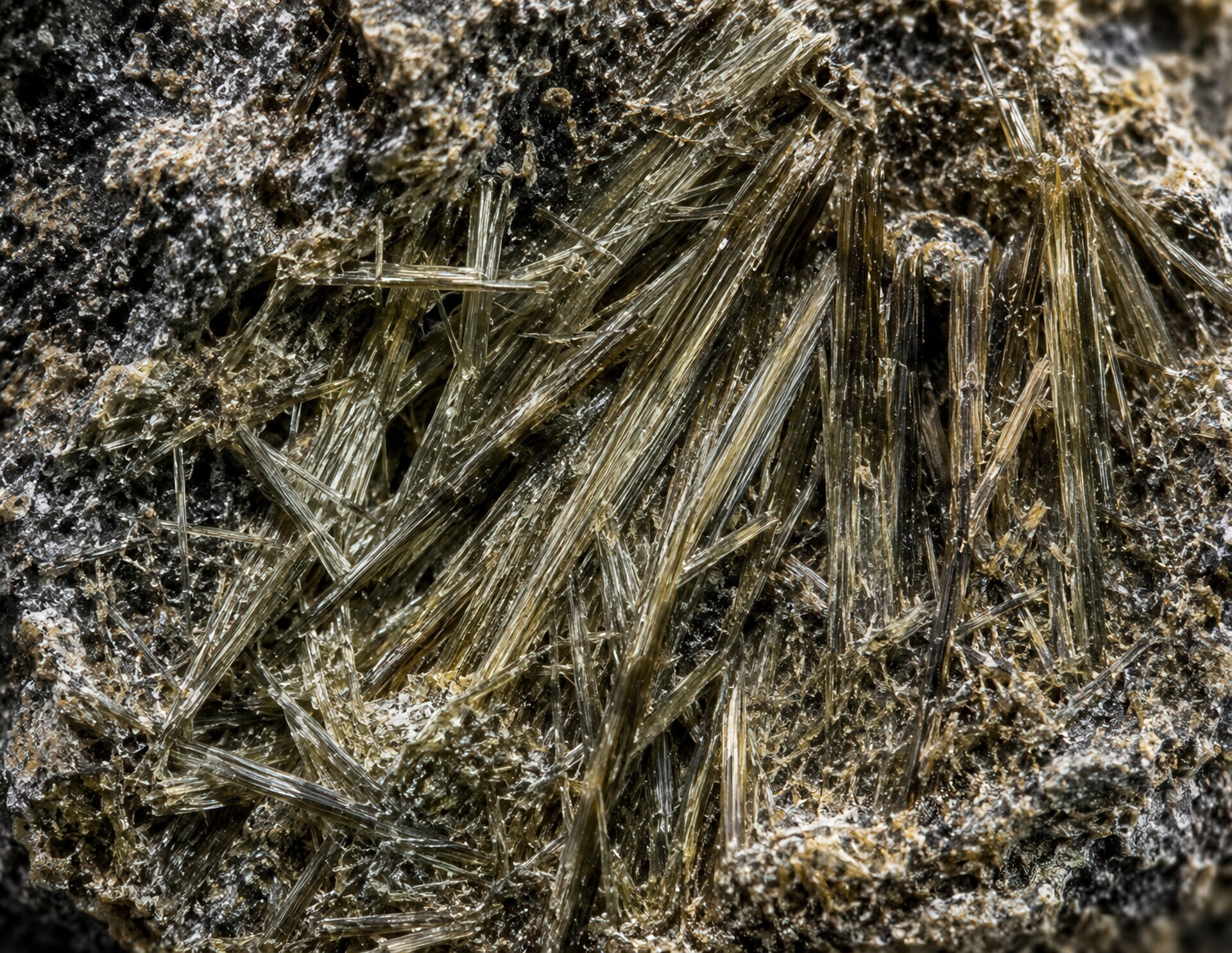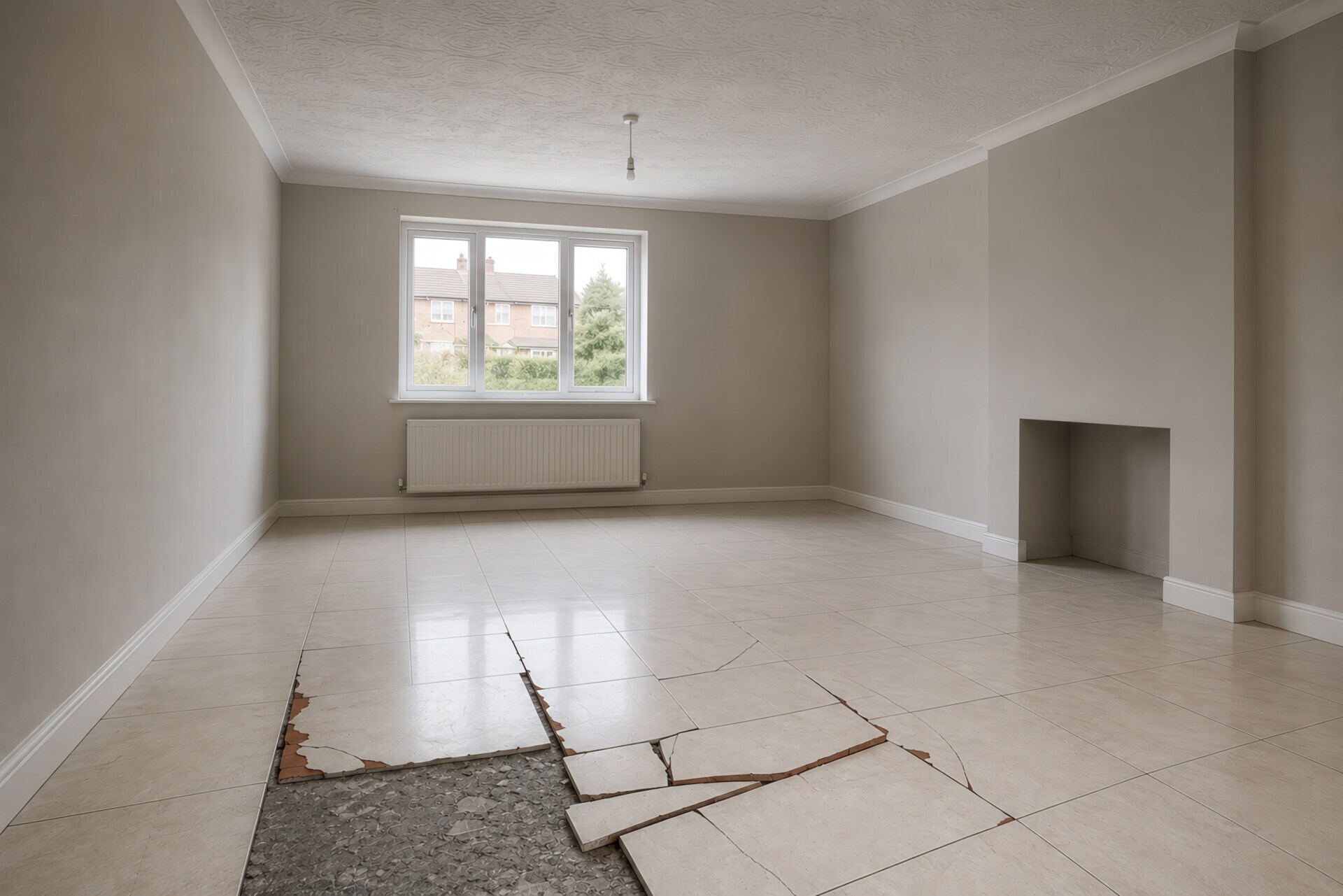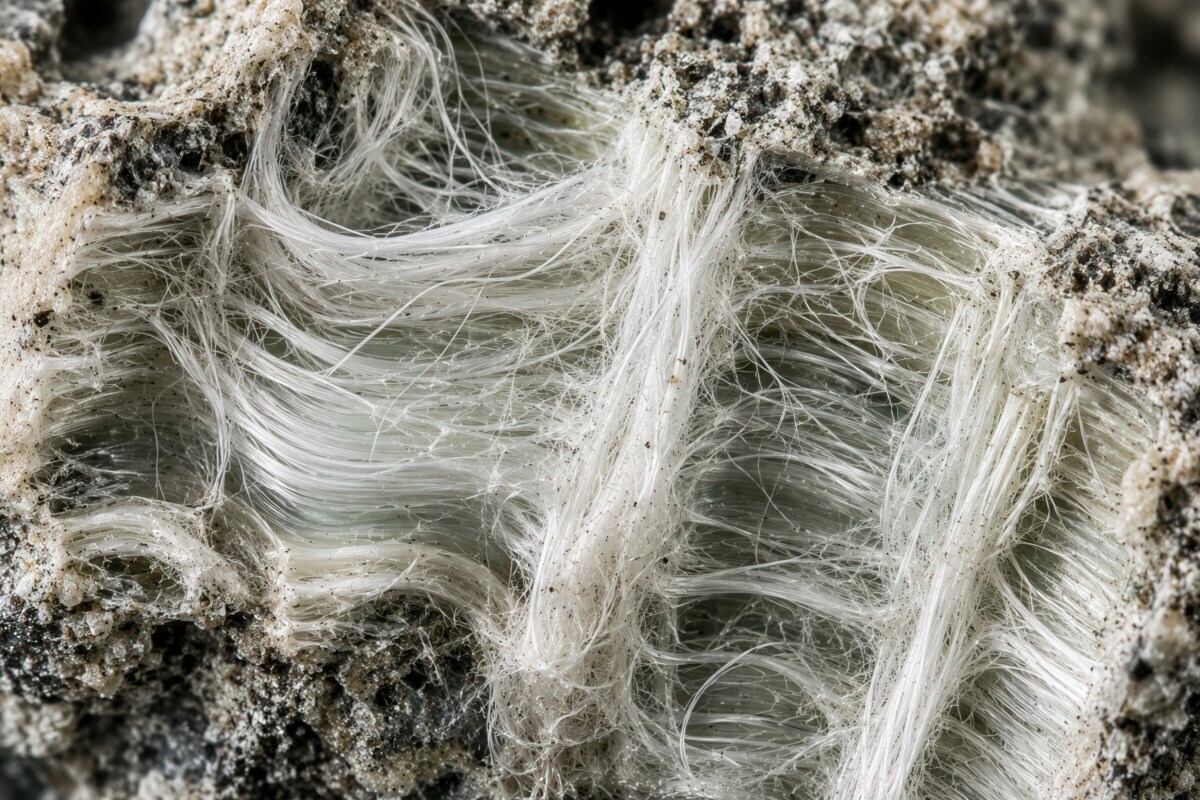


Asbestos can be present in homes, commercial premises and outbuildings built or refurbished before the UK-wide ban came into force. In Great Barr, materials that look ordinary may contain asbestos, so appearance alone is not a reliable way to decide whether a ceiling coating, cement sheet, insulation board or pipe lagging is safe.
If you are planning refurbishment, demolition or maintenance work, the sensible first step is to pause before disturbing any suspicious material. This guide explains how professional asbestos testing and removal fit together and what property owners can expect from a careful, evidence-led process.
Why asbestos testing should come first
A professional survey or targeted sample helps establish whether asbestos is present before work begins. Samples should be taken using appropriate controls and analysed by a competent laboratory. The result identifies the material and supports a proportionate plan, avoiding assumptions that could create unnecessary cost or exposure.
It also helps to understand what asbestos is and why it is hazardous. The principal risk arises when fibres become airborne and are inhaled, which is why drilling, sanding, sawing or breaking an unknown material should be avoided.
When asbestos removal may be required
A positive test does not automatically mean every item must be removed immediately. The appropriate response depends on the product type, its condition, where it is located and whether future work is likely to disturb it. Sound material in a low-risk position may sometimes be managed in place, labelled, recorded and checked periodically. Damaged or vulnerable material may require encapsulation or controlled removal.
Property owners should resist the temptation to handle suspect materials themselves. Our article on the risks of removing asbestos yourself explains why seemingly small jobs can spread contamination beyond the immediate work area.
What a controlled removal process involves
Before removal begins, a competent contractor will review the survey information, define the work area and prepare a suitable plan of work. Depending on the material, controls may include restricted access, protective equipment, dust suppression, controlled removal methods, specialist cleaning and correctly packaged waste.
Some higher-risk asbestos work must be carried out by a licensed contractor and may require notification to the relevant authority. Waste must be transported and disposed of through authorised routes. Documentation should be retained so there is a clear record of what was found, what work was completed and where any remaining asbestos is located.
Personal protective equipment is only one part of the control strategy. Read more about why PPE matters during asbestos removal, alongside containment, safe working methods and thorough decontamination.
Planning asbestos work in Great Barr
For a Great Barr property, provide the surveyor or contractor with as much background information as possible, including the approximate age of the building, previous alterations and the exact areas affected by planned work. Ask for the scope, test results and recommendations in writing, and confirm that the contractor carries suitable insurance and can explain how waste records will be supplied.
Do not start intrusive work while results are pending. If damaged suspect material is discovered unexpectedly, stop work, keep people away from the area and seek competent advice. Avoid sweeping or using an ordinary vacuum cleaner, as both can spread fine dust.
Arrange the right next step
Early testing makes it easier to plan safely, budget accurately and prevent delays. Whether you are buying, renovating or maintaining a property in Great Barr, a competent assessment can distinguish between material that needs controlled removal and material that can be safely managed.
Contact an experienced asbestos professional for advice tailored to the building and the work you intend to undertake. In an emergency or after accidental disturbance, isolate the area and obtain specialist guidance before anyone re-enters or attempts to clean up.