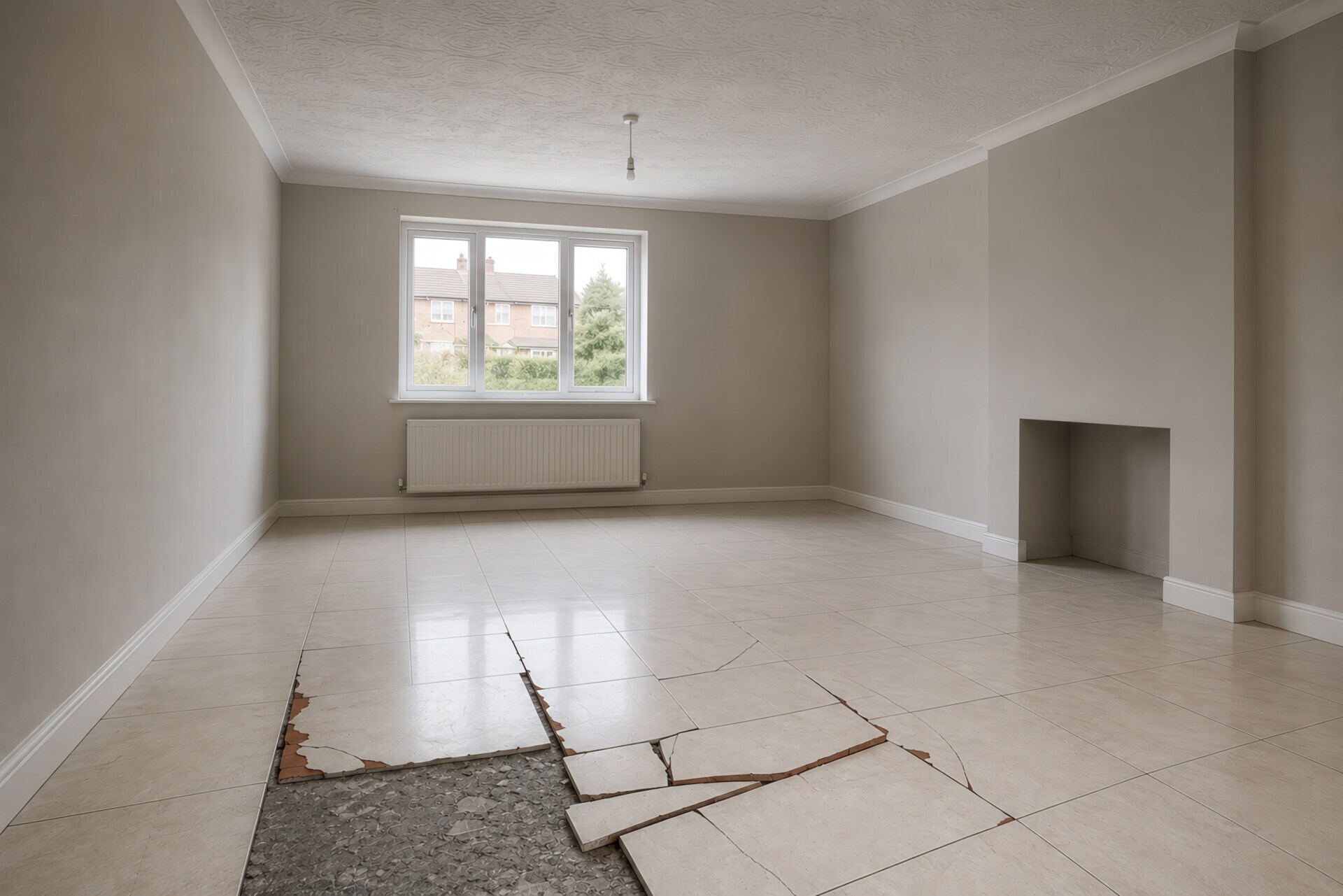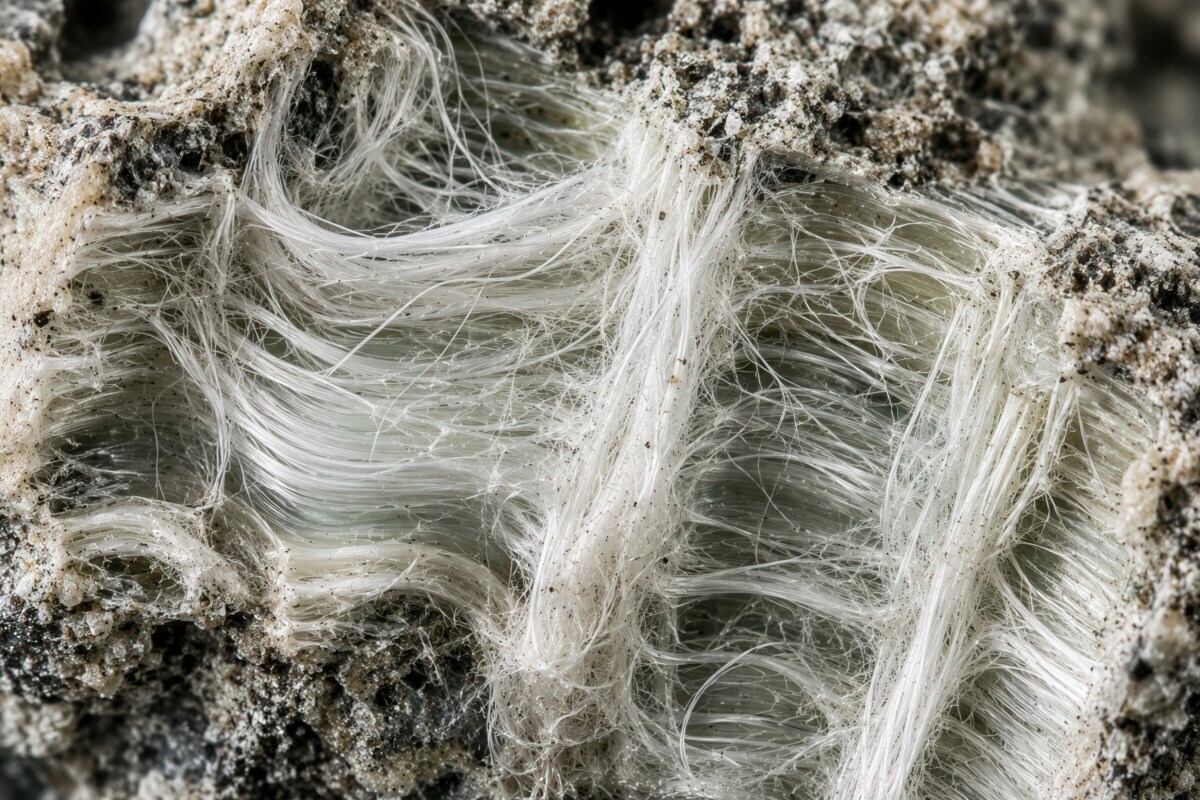


Older homes, shops and commercial buildings in Bearwood may contain asbestos products installed before the material was banned in the UK. These products can be hidden in textured coatings, cement sheets, floor tiles, insulation boards, service ducts and other parts of a building. Because asbestos cannot be identified reliably by sight, planned refurbishment should begin with good information rather than guesswork.
Professional asbestos testing and a clear management plan can help owners, landlords and contractors decide what needs to happen before work starts. The objective is to prevent fibres from being released and to choose controls that match the type and condition of the material.
Start with the right asbestos assessment
The assessment required depends on the building and the proposed work. A management survey is designed to locate materials that could be disturbed during normal occupation and routine maintenance. More intrusive refurbishment or demolition work generally needs a survey that covers every area affected by the project.
Any samples should be collected by a competent person using appropriate precautions and sent to a suitable laboratory for analysis. For useful background before arranging a survey, read what asbestos is and why it can be hazardous.
Understanding the test results
A laboratory result confirms whether the sample contains asbestos and may identify the fibre type. The survey report should also record the material’s location, extent, condition and potential to be disturbed. These details matter because a positive result does not always lead to the same recommendation.
Material that is sound, protected and unlikely to be disturbed may sometimes remain in place under an asbestos management plan. Damaged, deteriorating or accessible material may need sealing, enclosure or removal. The decision should be made by someone competent to assess the risk and the planned use of the building.
Why DIY removal creates avoidable risks
Breaking, drilling, sanding or scraping an asbestos-containing product can release fibres that are difficult to see and easy to spread. Ordinary household vacuums and dry sweeping are not suitable ways to clean suspected asbestos debris. They can move contamination into adjoining rooms, vehicles, clothing and equipment.
Before considering any hands-on work, understand the risks of DIY asbestos removal. Certain materials and tasks require a licensed contractor, while other work still demands specific training, controls and waste arrangements.
How professional asbestos removal is planned
A competent contractor will use the survey findings to prepare a plan of work. This normally defines the work area, removal method, access controls, protective equipment, decontamination process, cleaning standards and waste route. Higher-risk jobs may require an enclosure, negative pressure equipment and independent clearance procedures.
Protective clothing and respiratory equipment must be selected and used correctly, but they do not replace containment and careful working methods. Our guide to PPE for asbestos removal explains why it forms only one part of a broader control strategy.
Questions to ask a Bearwood contractor
Ask the surveyor or removal contractor to explain the scope of work in plain language. Confirm who will take samples, where they will be analysed, whether the work is licensed, how neighbouring occupants will be protected and what documentation you will receive afterwards.
You should also expect a clear quotation that distinguishes testing, removal, air monitoring and waste disposal where applicable. Retain survey reports, consignment notes and completion records with the property documents, particularly if some asbestos-containing materials remain in place.
What to do if suspect material is disturbed
Stop work immediately and keep people away from the affected area. Do not sweep, vacuum or pick up fragments. Close doors where this can be done without entering contaminated space, prevent further access and seek specialist advice. Anyone who may have been exposed should avoid carrying dust into clean areas and follow professional guidance on decontamination.
Taking action early can keep a small incident from becoming a wider clean-up problem. For planned work in Bearwood, arranging testing before trades begin is usually the simplest route to a safer programme, clearer costs and fewer delays.