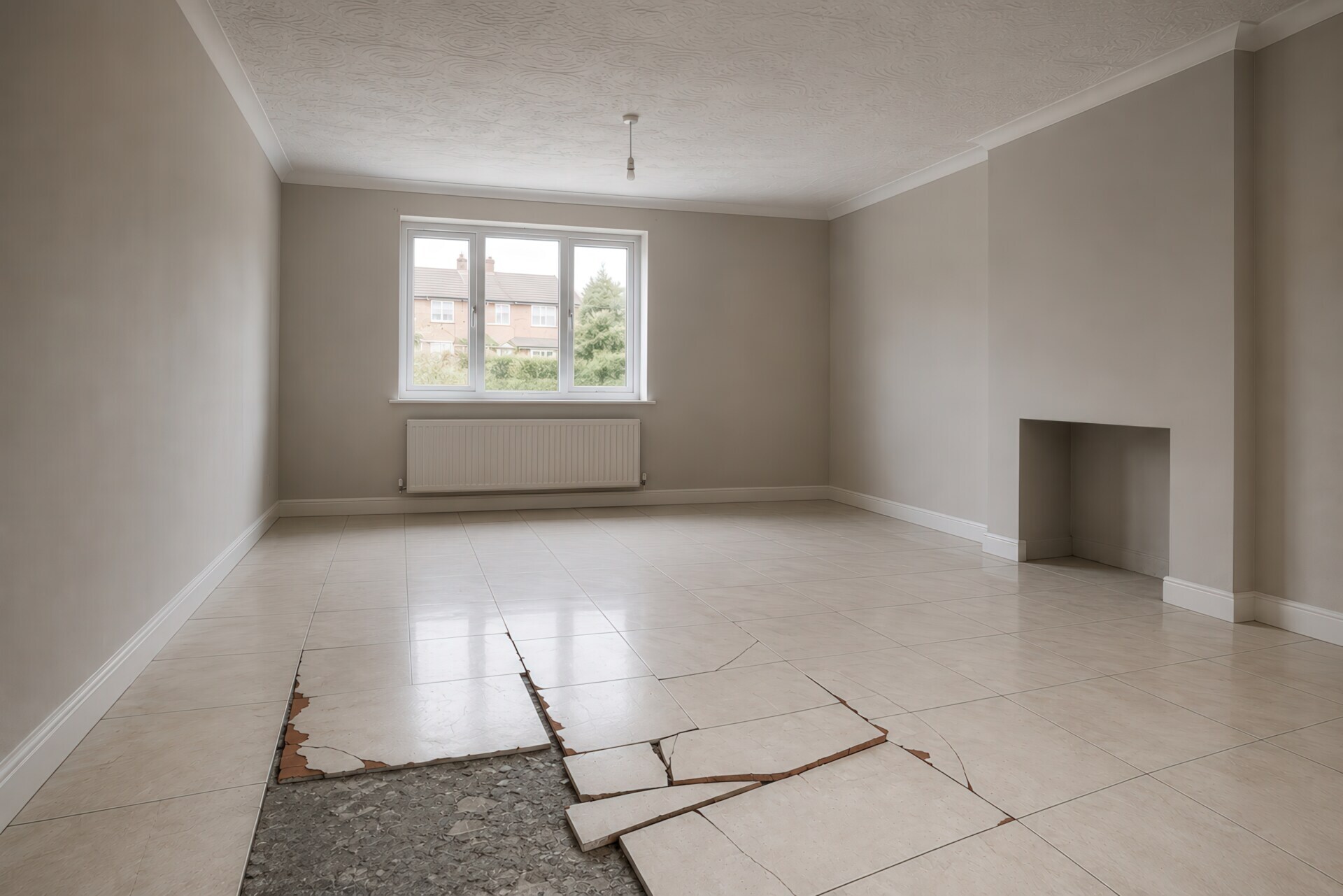
Older homes in Moseley often have character features, layered finishes and alterations from several different periods. That history can make a renovation exciting, but it can also mean that asbestos-containing materials are present where they are not immediately obvious. Before walls are opened, ceilings are disturbed or old floor coverings are lifted, it is sensible to understand what may be affected and how the work can be planned safely.
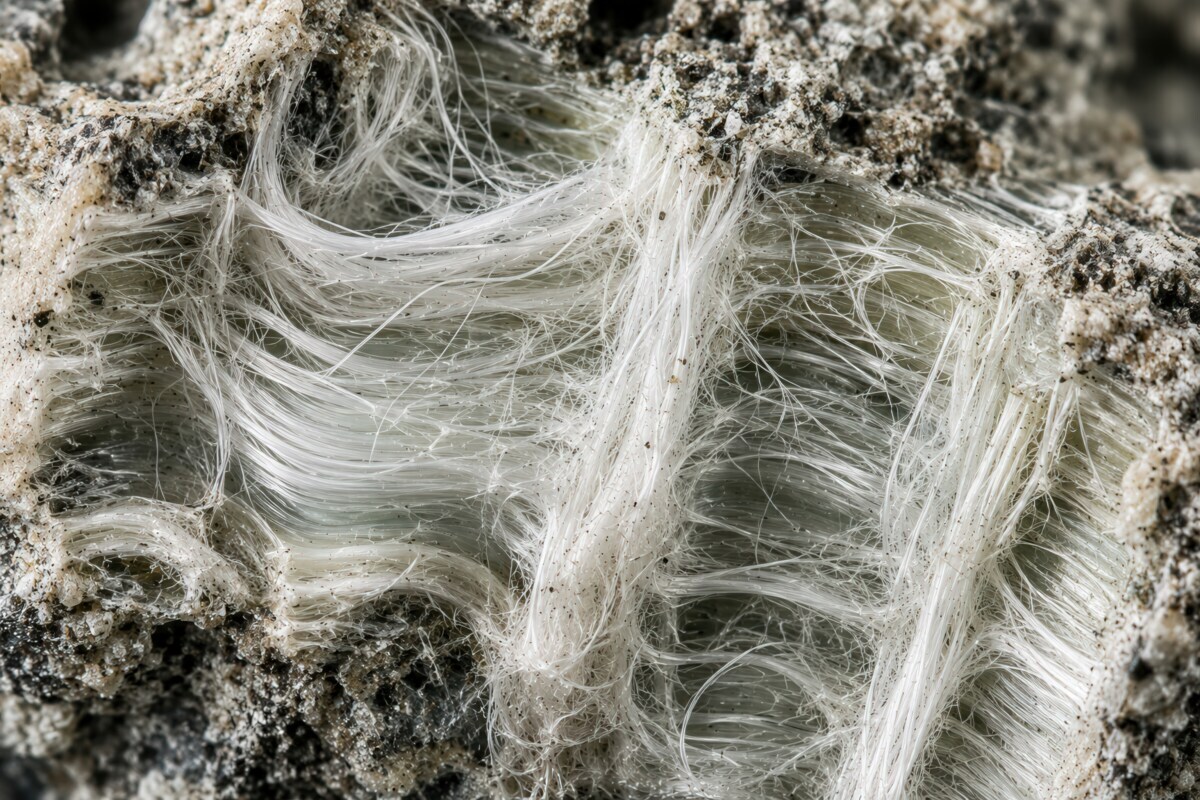
Asbestos is not dangerous simply because it exists in a building. The concern arises when fibres are released into the air through drilling, cutting, sanding, breaking or careless removal. A calm, planned approach helps protect residents, tradespeople and neighbours while keeping a project moving. For homeowners, landlords and businesses in Moseley, the most useful first step is usually an asbestos survey or targeted asbestos testing before intrusive work begins.
Why older Moseley properties need a careful plan
Many properties in and around Moseley have been repaired or adapted more than once. Textured coatings, soffits, garage panels, cement sheets, old insulation, roof products, bath panels, boiler areas and vinyl floor materials can all deserve closer attention in a pre-refurbishment assessment. A material may look ordinary and still require testing before it is disturbed. Age alone cannot confirm whether a product contains asbestos, and visual guesses are not a substitute for sampling by a competent professional.
The scope of work matters as much as the age of the building. Replacing a kitchen, moving a bathroom, upgrading electrics, installing new heating or creating an opening between rooms can expose materials that were previously sealed and untouched. A written plan should identify the areas that will be affected, the materials that need investigation and the controls required if asbestos is found. This is also a good point to review asbestos removal planning for renovation work so decisions are made before contractors arrive.
What asbestos testing can establish
Asbestos testing normally involves taking carefully controlled samples from suspect materials and sending them to an appropriately accredited laboratory. The result can confirm whether asbestos is present and, where relevant, help identify the type of material involved. Testing should be targeted to the proposed work rather than treated as a box-ticking exercise. If several areas look similar, a surveyor can advise whether they should be sampled separately or managed as one homogeneous material.
Good testing also creates useful information for the next stage. The report should make clear where the sample was taken, what was found, the condition of the material and any restrictions or recommendations. If the result is positive, work should stop in that area until a suitable method statement and risk assessment are in place. If no asbestos is detected in the tested locations, that result still has boundaries: it does not automatically prove that every hidden or untested material in the property is asbestos-free.
For a broader perspective on sequencing surveys and building work, see this guide to asbestos testing before building work. The same principle applies in Moseley: investigate first, record the findings and communicate them to everyone who may enter the work area.
When professional asbestos removal is needed
If asbestos-containing material is damaged, loose, poorly bonded or directly in the path of planned work, professional removal may be the safest option. The appropriate method depends on the material, its condition, the location and the amount involved. Some work may require a licensed contractor, while other lower-risk tasks still need competent planning, suitable protective equipment, controlled access and careful waste handling. A reputable contractor should explain the proposed controls in plain language rather than rushing straight to demolition.
Before removal begins, ask for a written scope, risk assessment and method statement. The work area may need to be isolated, surfaces protected and air movement controlled. On completion, the area should be cleaned and the contractor should provide the relevant records for the job. These documents are valuable if the property is sold, altered again or handed over to a future contractor. They also help prevent accidental re-disturbance of a material that has already been identified and managed.
How to prepare a safer Moseley renovation
Keep occupants, pets and unrelated trades away from suspect areas until the assessment is complete. Do not sweep debris, sand textured coatings or drill through an old board simply to see what is behind it. Share the survey information with the main contractor, electrician, plumber and any other specialist whose work could affect the fabric of the building. If the project is phased, update the plan whenever the scope changes.
It is equally important to allow enough time for laboratory results, contractor availability and controlled disposal. Trying to save a day by disturbing an untested material can create much greater delay and expense. A planned survey, clear communication and properly documented removal route give everyone a more predictable project. For another example of practical preparation, read this asbestos testing and removal planning guide.
Choosing the right next step
If you are planning work in a Moseley home, rental property, shop or office, start by listing every material that will be cut, lifted, drilled, stripped or demolished. Arrange an appropriate asbestos survey or test before the work begins, then use the findings to brief the contractor and set the programme. Where asbestos is confirmed, use a competent specialist and retain the completion paperwork. This approach supports safer decisions without assuming that every older material is hazardous or that every project needs the same control measures.