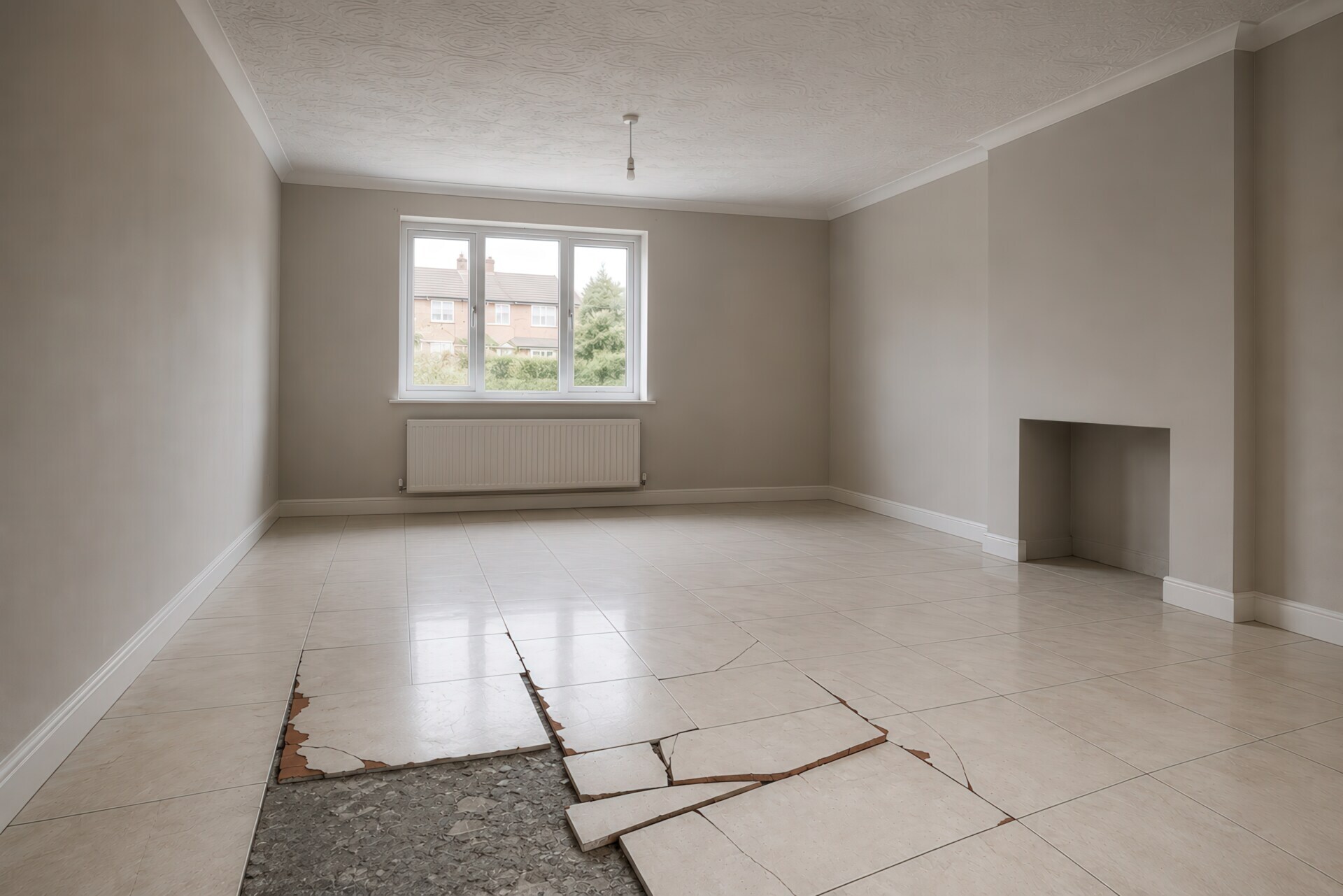
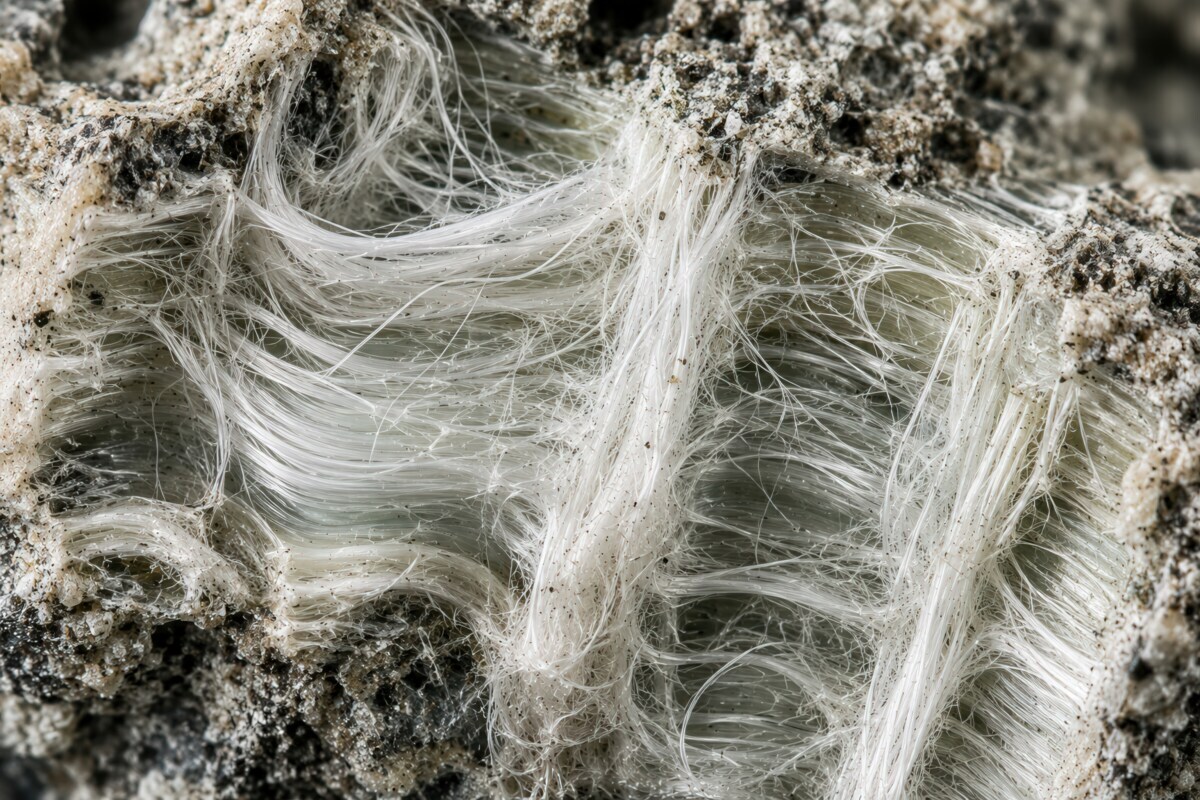
Renovating a home, shop, school or older industrial building in Bournville can uncover materials that were installed long before today’s safety expectations. Asbestos may be present in insulation, textured coatings, floor tiles, cement sheets, boiler surrounds and many other products. It is not possible to identify it reliably by appearance alone, so a careful plan should begin before any drilling, stripping, sanding or demolition takes place.
Why asbestos planning matters in Bournville
Bournville contains a wide mix of property types, from traditional houses and converted buildings to commercial premises and community facilities. That variety means the age, construction method and previous alterations of each building can differ considerably. A later extension may contain different materials from the original structure, while repairs carried out decades ago may have covered or disturbed an earlier asbestos-containing product.
The main risk arises when fibres become airborne through uncontrolled work. Cutting a board, lifting old flooring, chasing a wall or removing a ceiling finish can all create dust if the material contains asbestos. The safest approach is to pause intrusive work, record what is known about the building and arrange suitable asbestos testing where a material could be affected by the project.
Testing is not a formality. A competent surveyor considers the building’s history, the planned work and the condition of accessible materials before taking samples. Those samples are examined by a laboratory, with the results used to decide whether the material can remain undisturbed, needs management or requires controlled removal.
When to arrange asbestos testing
Testing is particularly important before a refurbishment changes the fabric of a building. Kitchen replacements, bathroom upgrades, rewiring, heating work, roof repairs and loft conversions can all expose hidden layers. It is sensible to arrange an assessment early, while drawings and contractor plans can still be adjusted without causing expensive delays.
A useful survey records the location and condition of suspect materials, the type of work that could disturb them and any restrictions that should be passed to contractors. If the project is larger or involves significant access to the building fabric, a refurbishment or demolition survey may be more appropriate than a limited management survey. The correct survey depends on the scope of the work, not simply on the property’s age.
Results should be kept with the project documents and shared with everyone who may enter the work area. A clear record avoids assumptions such as “the previous owner said it was checked” or “the material looks like plasterboard”. When laboratory results confirm asbestos, the next decision should be based on condition, accessibility, the proposed work and the competence of the contractor.
Planning asbestos removal safely
Where removal is necessary, the work should be planned around containment, controlled access, suitable equipment and effective decontamination. The removal team should explain how the area will be isolated, how dust will be controlled and how waste will be packaged and transported. Depending on the material and task, the work may require a specialist contractor with the appropriate licence and training.
Good asbestos removal includes more than taking the material out. The contractor should consider how the work area will be prepared, how adjacent rooms will be protected and how the area will be cleaned afterwards. Air monitoring or a four-stage clearance process may be needed for higher-risk projects before the space can return to normal use.
Never sweep contaminated dust, use ordinary household equipment or place suspect waste in a general skip. Waste should be double-bagged or wrapped as required, labelled and taken through the correct licensed disposal route. A completion pack should identify what was removed, where it was removed from and what clearance or testing evidence was issued.
Questions to ask before work starts
Ask who will carry out the survey, which laboratory will analyse samples and whether the proposed contractor has experience with the specific material. Request a written method statement, risk assessment and timetable. It is also worth confirming who will notify neighbours or building users, how emergency arrangements work and what happens if hidden materials are discovered after the job begins.
For homeowners, a written quotation should separate survey costs, removal, disposal, reinstatement and any optional air testing. For landlords and commercial operators, the project should also align with existing asbestos management records and responsibilities for protecting employees, visitors and other contractors. The wider testing and removal process should be explained in plain language so that everyone understands when work must stop.
A sensible next step for Bournville properties
If you are planning building work in Bournville, start by listing every area that will be opened, cut, drilled or removed. Arrange the appropriate survey before contractors begin, keep the report with the project file and make sure any confirmed asbestos is managed by people with the right competence. Taking this pause at the planning stage can prevent exposure, protect neighbours and workers, and reduce the chance of an unexpected shutdown once renovation is underway.
Use the map below as a local reference point for Bournville and the surrounding Birmingham area. It does not replace a survey or provide a safe working assessment for an individual property.