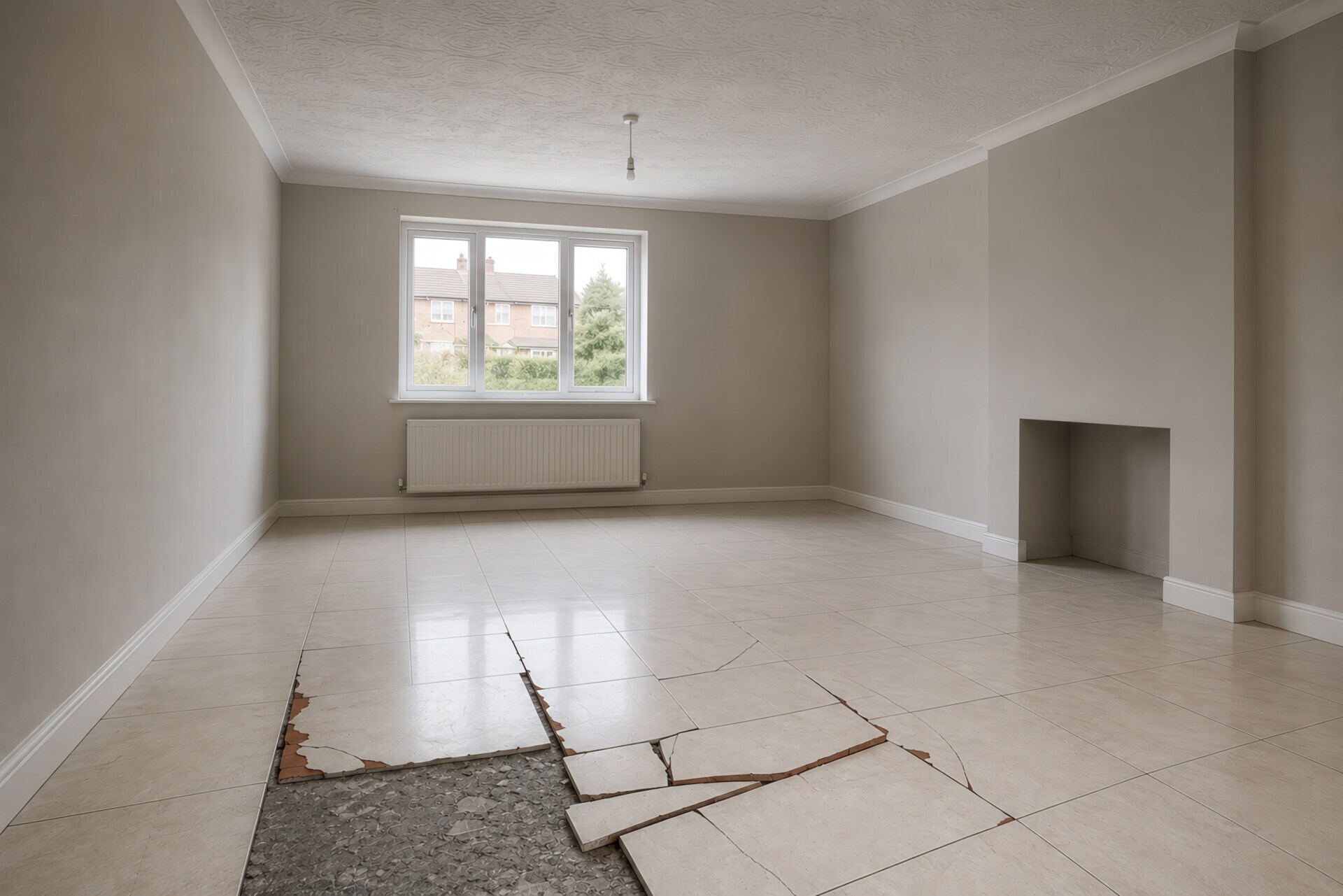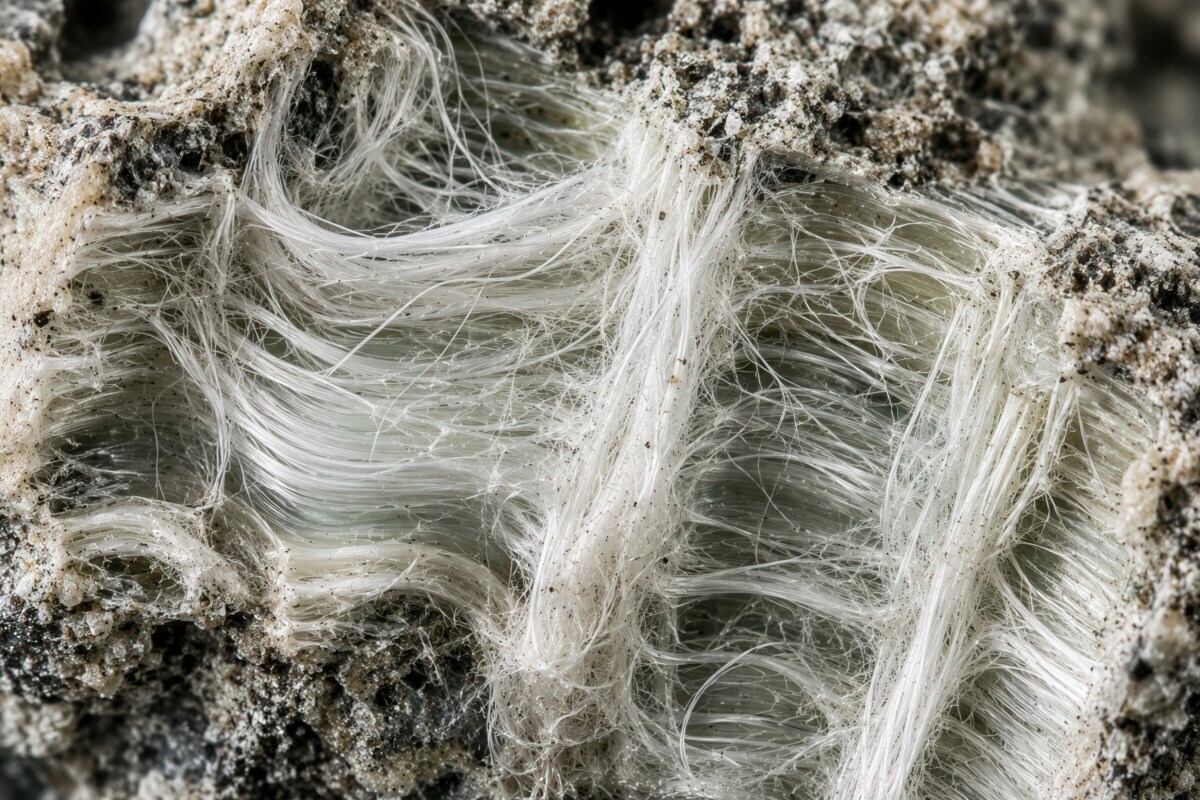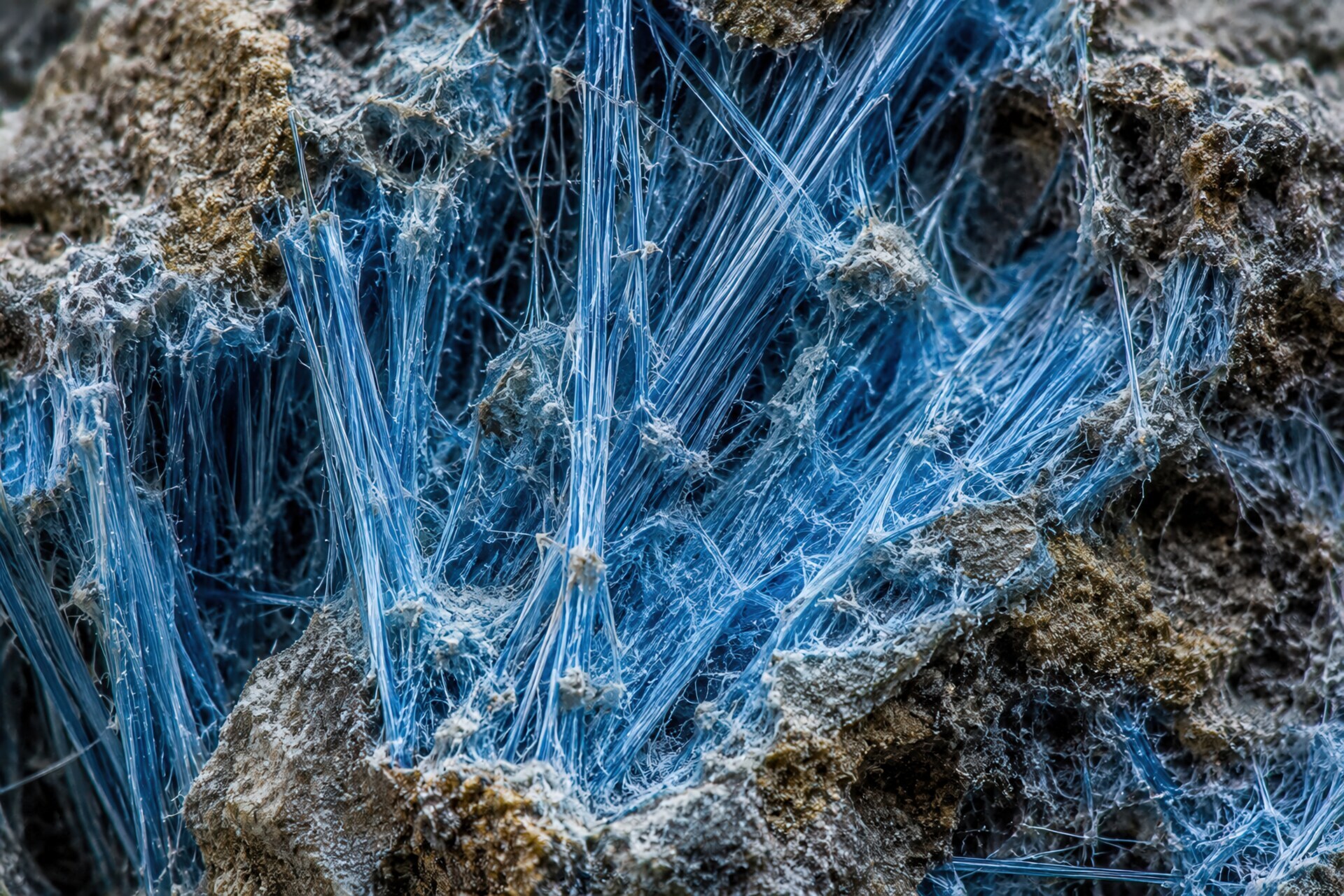


Many properties in Sutton Coldfield were built or refurbished during periods when asbestos-containing products were widely used. Asbestos may be found in textured coatings, cement sheets, insulation boards, service risers, pipe lagging, floor tiles and other concealed locations. Visual inspection alone cannot confirm whether a material contains asbestos.
Before maintenance, refurbishment or demolition begins, asbestos testing can establish what is present and where. The findings allow property owners and contractors to decide whether a material can remain safely managed or needs controlled removal before other trades start work.
Identify where planned work could disturb materials
Start with the project scope rather than a general walk-through. List every ceiling, wall, floor, roof, duct, plant room and outbuilding that workers may cut into or dismantle. Existing asbestos records are useful, but they may not cover hidden materials or areas excluded from an earlier survey.
For an overview of why this matters, read what asbestos is and why it is hazardous. The main concern is preventing fibres from becoming airborne and being inhaled.
Select a suitable asbestos survey
A management survey supports normal occupation and foreseeable maintenance. Work that will disturb the building fabric generally requires a refurbishment survey targeted at the affected areas, while demolition calls for a more comprehensive assessment. The survey must be sufficiently intrusive for the planned work.
A competent surveyor may take samples using controlled procedures and send them to a suitable laboratory. The report should record locations, analytical results, condition, accessibility and recommended action. Suspect areas should remain undisturbed until the results are known.
Use test results to choose the right action
A positive sample does not automatically require immediate removal. An intact product in a protected location may sometimes remain under a documented management plan. Damage, deterioration or the likelihood of disturbance can change that conclusion and lead to encapsulation, enclosure or removal.
Attempting removal without the right knowledge can contaminate clean rooms, tools, vehicles and clothing. Our guide to the risks of DIY asbestos removal explains why apparently small jobs can become difficult clean-up projects.
Understand licensed and non-licensed work
The asbestos product, its condition and the activity determine which legal and practical controls apply. Some higher-risk work must be completed by a licensed contractor and may need advance notification. Other tasks may be non-licensed but still require competent workers, suitable controls, training and compliant waste arrangements.
Ask contractors to explain the classification of the work and the evidence supporting it. Their written plan should cover access, containment, removal methods, cleaning, decontamination, emergency arrangements and the route for hazardous waste.
Keep containment and PPE in perspective
Respiratory protection and disposable clothing are important parts of asbestos work, but equipment alone cannot prevent contamination. Controls should minimise breakage, contain debris and keep fibres from spreading beyond the work area.
Read more about PPE requirements for asbestos removal and why correct selection, face fit, use and disposal must sit alongside safe methods and decontamination.
Record the completed work
Retain the survey, laboratory certificates, plan of work, waste consignment notes and any air-testing or clearance documents. Update the asbestos register if material remains, and make the information available to anyone who may drill, cut or maintain the building later.
For Sutton Coldfield property projects, early testing helps avoid last-minute stoppages and gives contractors time to coordinate removal with the wider programme. Clear evidence also makes quotations easier to compare and reduces uncertainty about the work required.
What to do after accidental disturbance
Stop work immediately, keep people out and avoid sweeping or using an ordinary vacuum cleaner. Do not move dusty equipment or fragments through clean areas. Seek competent advice so the material and the extent of any contamination can be assessed before clean-up or re-entry.