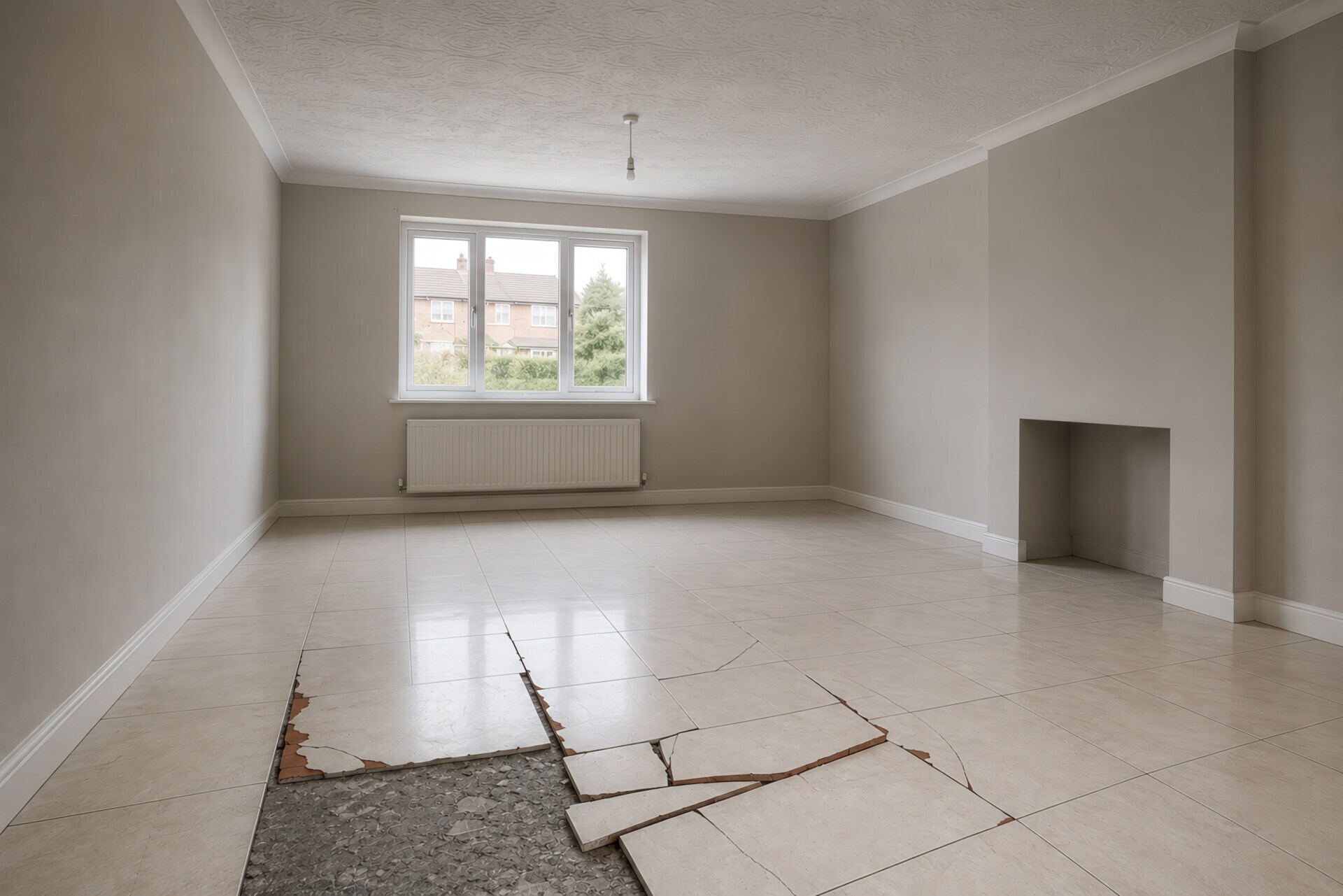


Landlords, homeowners and renovation teams in Shirley may encounter asbestos in buildings constructed or altered before the UK ban. It can be present in insulation board, textured coatings, cement roofing, service ducts, pipe insulation, floor tiles and other products. Colour, age and appearance are not enough to confirm whether a particular material contains asbestos.
Professional testing turns an uncertain discovery into evidence that can guide the project. When asbestos is found, the report should help the dutyholder decide whether the material can remain safely managed or needs controlled treatment or removal.
Establish who is responsible for asbestos
Responsibility depends on the premises and the terms of occupation or maintenance agreements. In non-domestic buildings and common areas, the person controlling maintenance may have a legal duty to identify and manage asbestos risks. Domestic renovation projects still need safe planning under the rules that apply to contractors and hazardous materials.
Anyone briefing a project should understand why asbestos can be hazardous. The objective is to prevent fibres being released and inhaled when materials are drilled, cut, sanded or broken.
Match the survey to the proposed work
A management survey is intended to support normal occupation and routine maintenance. Refurbishment that will disturb walls, ceilings, floors or services usually requires a more intrusive survey of the affected area. Demolition demands comprehensive information before structural work starts.
Provide the surveyor with drawings and a detailed scope, including work planned by electricians, plumbers and other trades. Representative samples may be collected under controlled conditions and analysed by a suitable laboratory. Suspect materials should remain undisturbed while results are pending.
Turn the findings into a management decision
The report should record each material’s location, extent, condition and potential for disturbance. Intact material in a protected place may sometimes be labelled, recorded, monitored and left in position. Damaged products or materials directly affected by the project may require encapsulation, enclosure or removal.
Do not ask maintenance staff or untrained trades to remove a small piece as a shortcut. The article on the risks of removing asbestos yourself explains how fibres and debris can spread well beyond the immediate task.
Check the contractor’s removal plan
A competent contractor should explain whether the work is licensed, notifiable non-licensed or non-licensed, and why. Their written plan should cover restricted access, containment, removal techniques, cleaning, decontamination, emergency procedures and hazardous-waste transport.
Personal protective equipment must be appropriate for the task, maintained and used correctly. It is only one layer of protection, so review how PPE supports safer asbestos removal alongside controls that stop dust escaping from the work area.
Protect tenants, neighbours and other trades
Schedule asbestos work so unrelated contractors and occupants cannot enter the controlled area. Communicate the location of any materials that remain and update instructions if the project scope changes. Work should pause if a newly affected area was not included in the survey.
For occupied premises, agree how access, noise, utilities and emergency arrangements will be managed. Avoid promising that a room is safe to re-enter until the specified cleaning, inspection and any required clearance procedures are complete.
Keep an auditable property record
Retain the survey, laboratory results, plan of work, waste consignment notes and any air-monitoring or clearance documents. Update the asbestos register and management plan after the work. These records help future tenants, buyers and contractors understand what was removed and what remains.
If suspect material is damaged unexpectedly, stop work, keep people away and avoid sweeping or using a domestic vacuum. Do not carry dusty tools or clothing through clean spaces. Obtain competent advice before arranging clean-up or allowing re-entry.