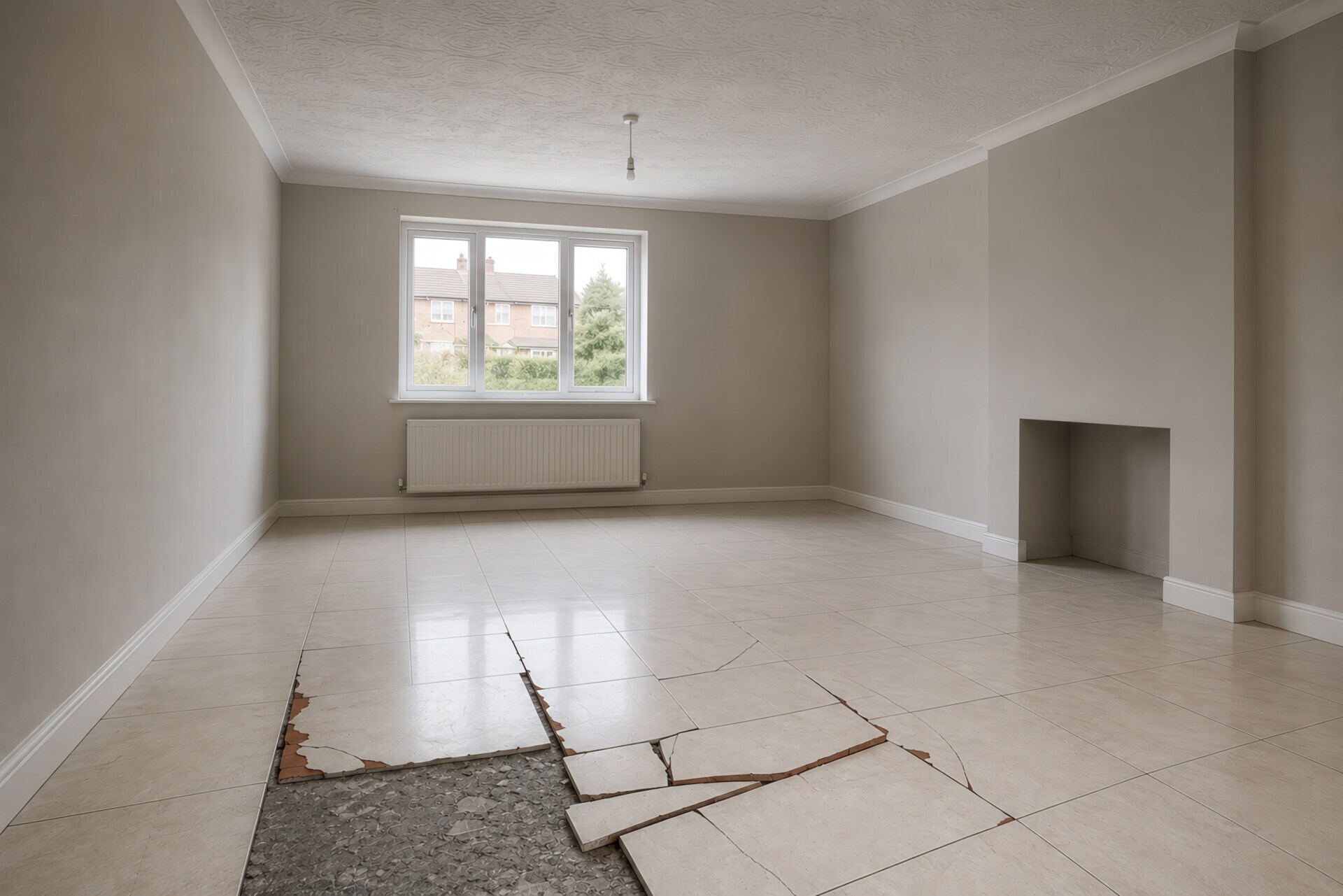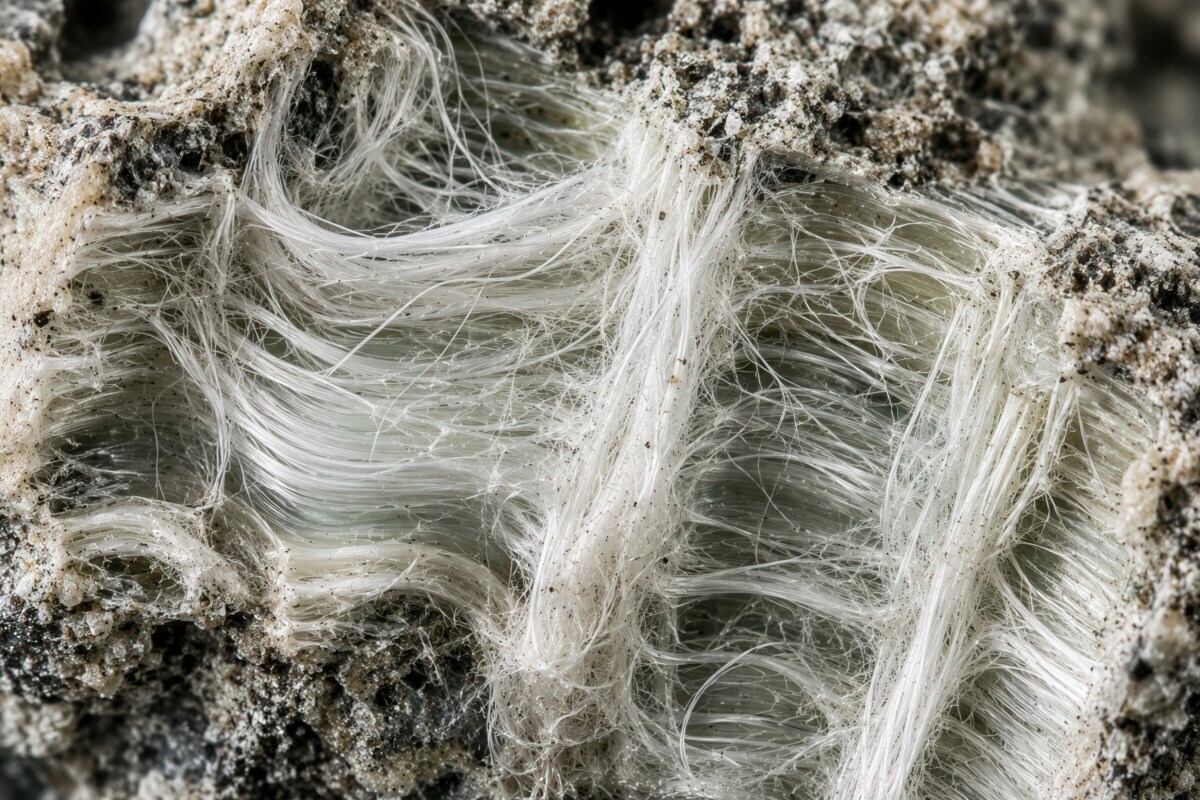


Routine maintenance in an older Erdington property can become an asbestos issue when workers need to drill, cut or open parts of the building. Materials installed before the UK ban may include asbestos insulation board, textured coatings, cement products, floor tiles, pipe insulation and components hidden inside service areas.
Because these products cannot be identified reliably by sight, testing should happen before suspect materials are disturbed. The results give owners, landlords and contractors a sound basis for deciding whether an item can remain managed or needs controlled treatment or removal.
Begin with the maintenance scope
List every task and location involved, including small openings for cables, plumbing alterations, boiler work, roofing repairs and access to ducts or risers. A previous survey may support routine management but still omit concealed areas that the new job will expose.
Buildings reflect changing materials and construction methods over time. This account of the history of asbestos use provides helpful context for why it can occur in many different building products.
Commission the appropriate asbestos testing
A management survey is intended for normal occupation and foreseeable maintenance. Intrusive refurbishment work requires an assessment that properly covers the affected building fabric. Give the surveyor plans, access information and a clear description of everything contractors intend to disturb.
Representative samples should be taken by a competent person using controlled methods and analysed by a suitable laboratory. The report should identify the sample points, results, material condition and recommended actions. Keep the relevant spaces undisturbed until the findings are available.
Choose management or removal based on risk
A positive test does not always require immediate removal. Intact material that is sealed, clearly recorded and unlikely to be disturbed may sometimes stay in place under an asbestos management plan. Damage, deterioration or planned contact can make encapsulation, enclosure or removal the safer option.
If removal is recommended, use a contractor competent for the specific material and activity. Guidance on safe and certified asbestos removal can help property owners understand the standards and documentation to expect.
Review the plan before work begins
The removal plan should define the work area, access restrictions, containment, removal method, cleaning, decontamination and hazardous-waste route. It should state whether the task requires a licensed contractor, formal notification, air monitoring or independent clearance.
Ask how occupants, neighbours and unrelated trades will be protected. Work sequencing matters: asbestos controls should be completed before other contractors enter the affected area, and the survey scope should be reviewed if the maintenance plan changes.
Compare quotations on the same basis
Each quotation should clearly separate surveying, sampling, removal, monitoring, disposal and reinstatement where applicable. Check competence, insurance and the arrangements for waste documentation. A low price may not cover the same area, material or clearance standard as a more complete proposal.
For broader context on contractor coverage, see these asbestos removal services across the UK. The chosen provider should still demonstrate that its approach suits the particular Erdington property and task.
Update records after the work
Keep the survey, laboratory certificates, plan of work, waste consignment notes and any air-testing or clearance records. Update the asbestos register so future electricians, plumbers, builders and maintenance teams know what was removed and what remains.
If suspect material is damaged unexpectedly, stop work and restrict access. Do not sweep debris or use an ordinary vacuum cleaner, and avoid moving dusty clothing or tools through clean areas. Seek competent advice before clean-up or re-entry.