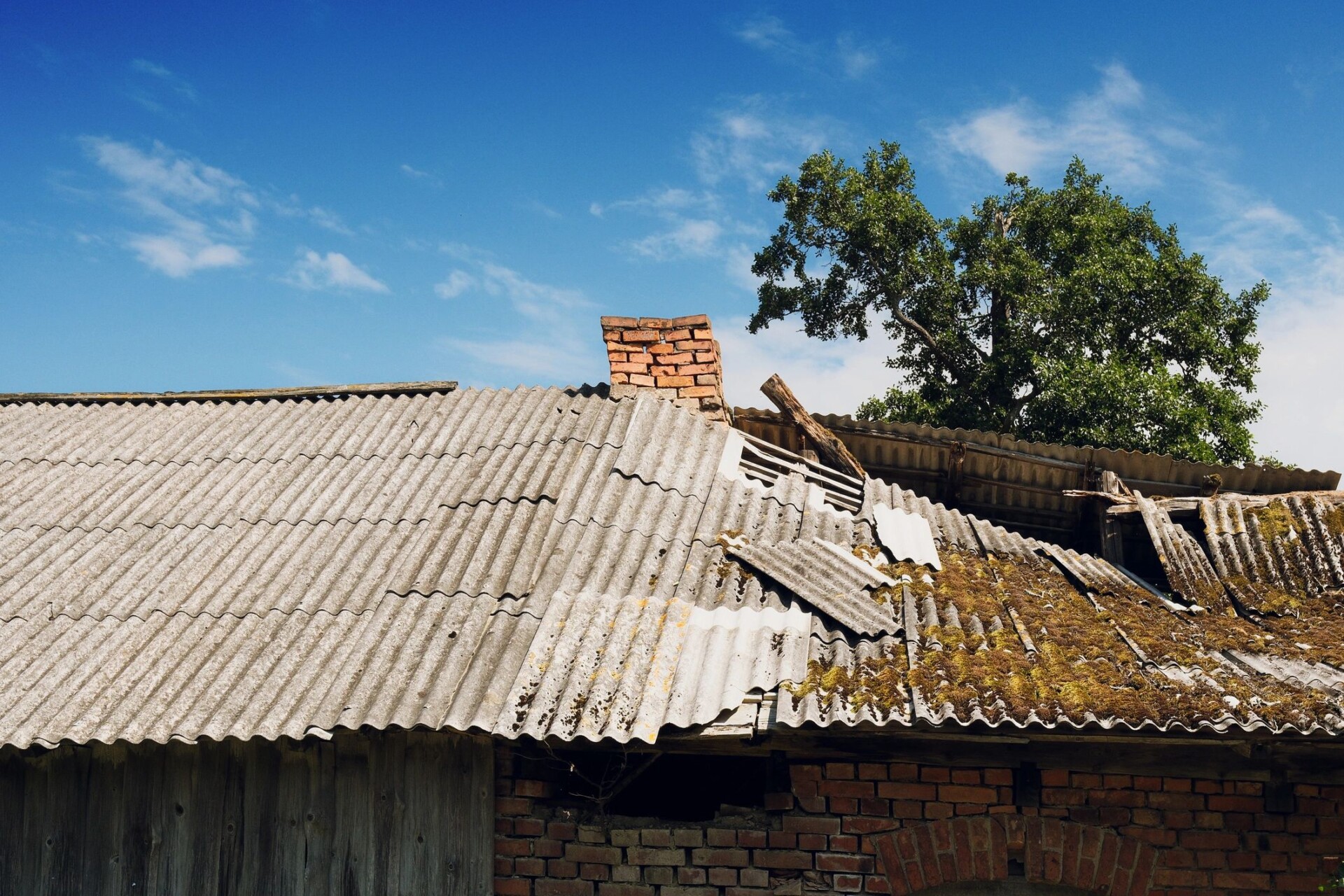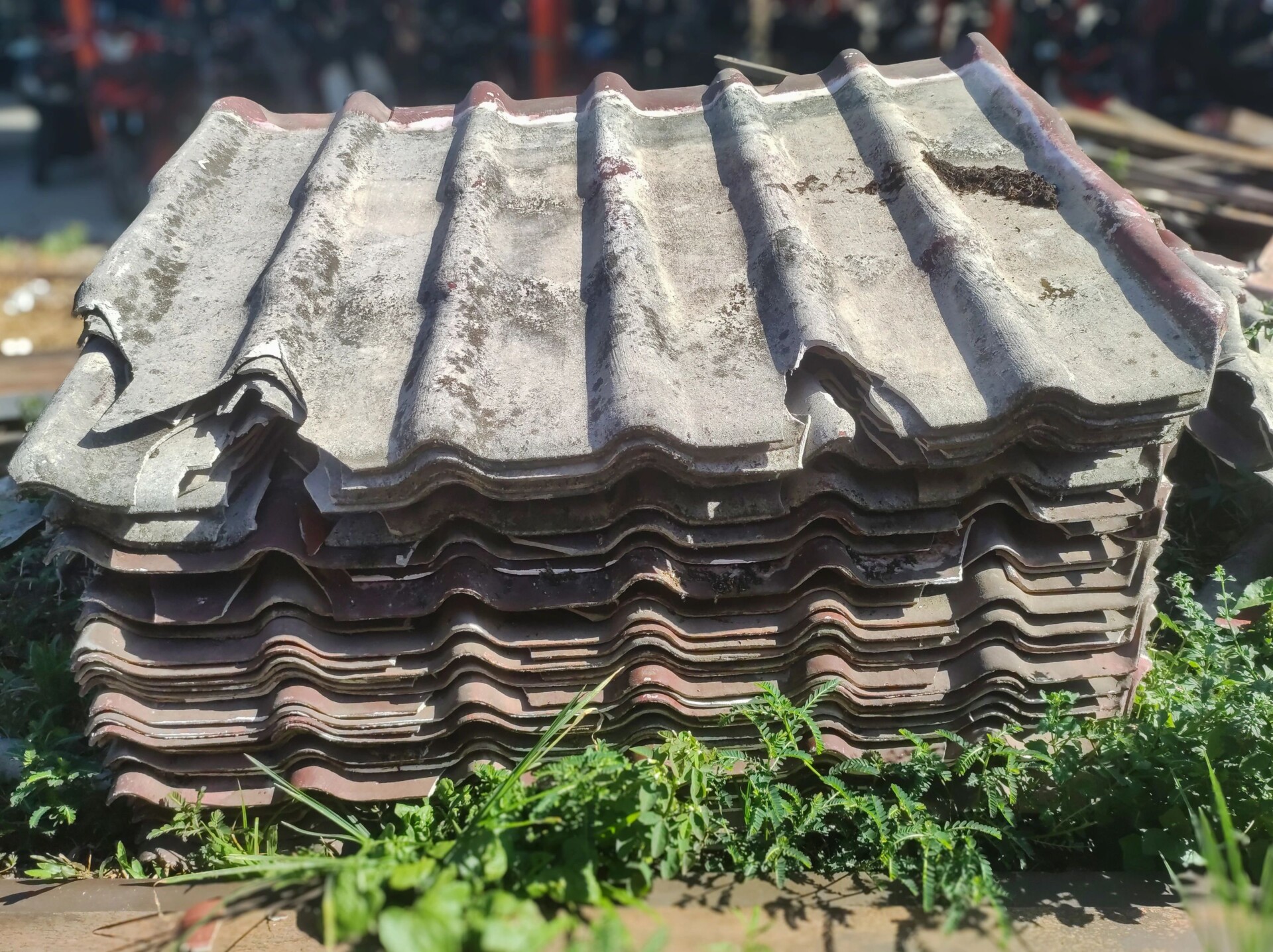


Chrysotile, commonly referred to as white asbestos, is the most widely used form of asbestos worldwide and belongs to the serpentine family of minerals. Unlike other forms of asbestos, chrysotile fibers are curly, flexible, and layered, giving them a ribbon-like structure that can be woven into fabrics or incorporated into composite materials. These fibers are resistant to heat, fire, and many chemicals, which made chrysotile extremely popular in construction, manufacturing, and shipbuilding throughout the 19th and 20th centuries. It was used in roofing sheets, cement, insulation boards, brake linings, gaskets, ceiling tiles, and even in textiles such as fireproof clothing. Its flexibility made it easier to work with compared to the brittle fibers of amphibole asbestos types, leading to widespread use in both industrial and domestic applications.
The dangers of chrysotile arise from its microscopic fibers. When materials containing chrysotile are damaged, cut, sanded, drilled, or deteriorate naturally over time, tiny fibers are released into the air. Due to their size, these fibers can be inhaled without notice, reaching deep into the lungs. Once lodged, the body struggles to break down or remove them, leading to persistent inflammation and scarring. Prolonged exposure can result in asbestosis, a progressive disease characterized by fibrosis of the lung tissue, which gradually reduces the ability to breathe and perform physical activities. Chrysotile is also linked to lung cancer, particularly in individuals who smoke, and is a known cause of mesothelioma, a rare but aggressive cancer affecting the lining of the lungs or abdomen. While chrysotile has historically been considered less dangerous than amosite or crocidolite, research shows that even relatively low exposure levels over time can still pose serious risks.
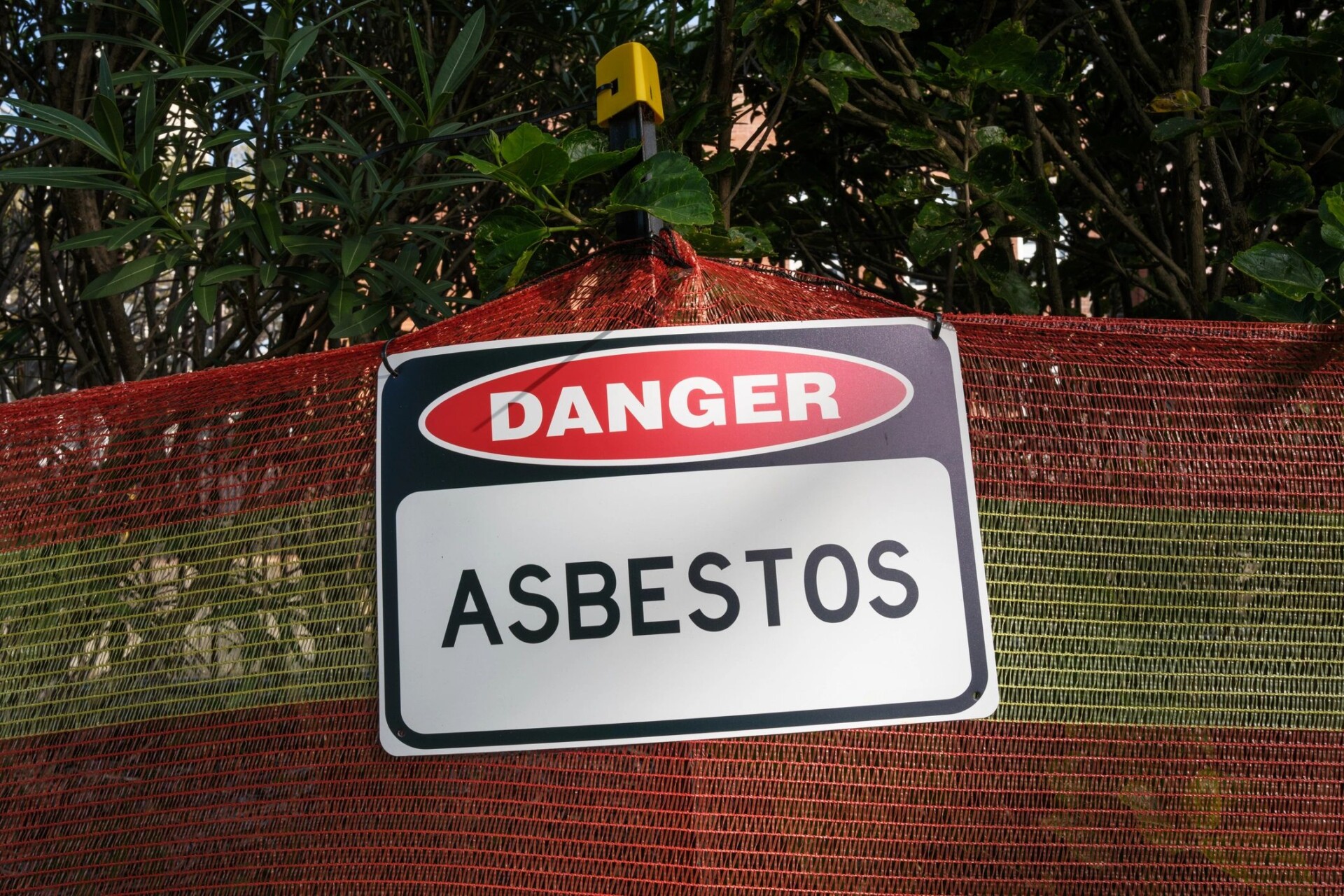
What makes chrysotile particularly insidious is the latency period of asbestos-related diseases. Symptoms often take decades to manifest, meaning individuals may have been unknowingly exposed and only develop health problems 20 to 40 years later. Additionally, older buildings constructed before the 1980s are more likely to contain chrysotile in insulation, roofing, piping, and flooring materials. Any disturbance to these materials during renovations, repairs, or demolitions can release fibers, putting occupants, construction workers, and homeowners at risk. Modern regulations in most countries prohibit the uncontrolled use of chrysotile, and removal or remediation must be handled by trained professionals following strict procedures to avoid airborne fiber release. Understanding the unique curly, heat-resistant fibers of chrysotile and their long-term health implications is essential for anyone who may come into contact with older construction materials, as the consequences of exposure are cumulative, irreversible, and potentially fatal.