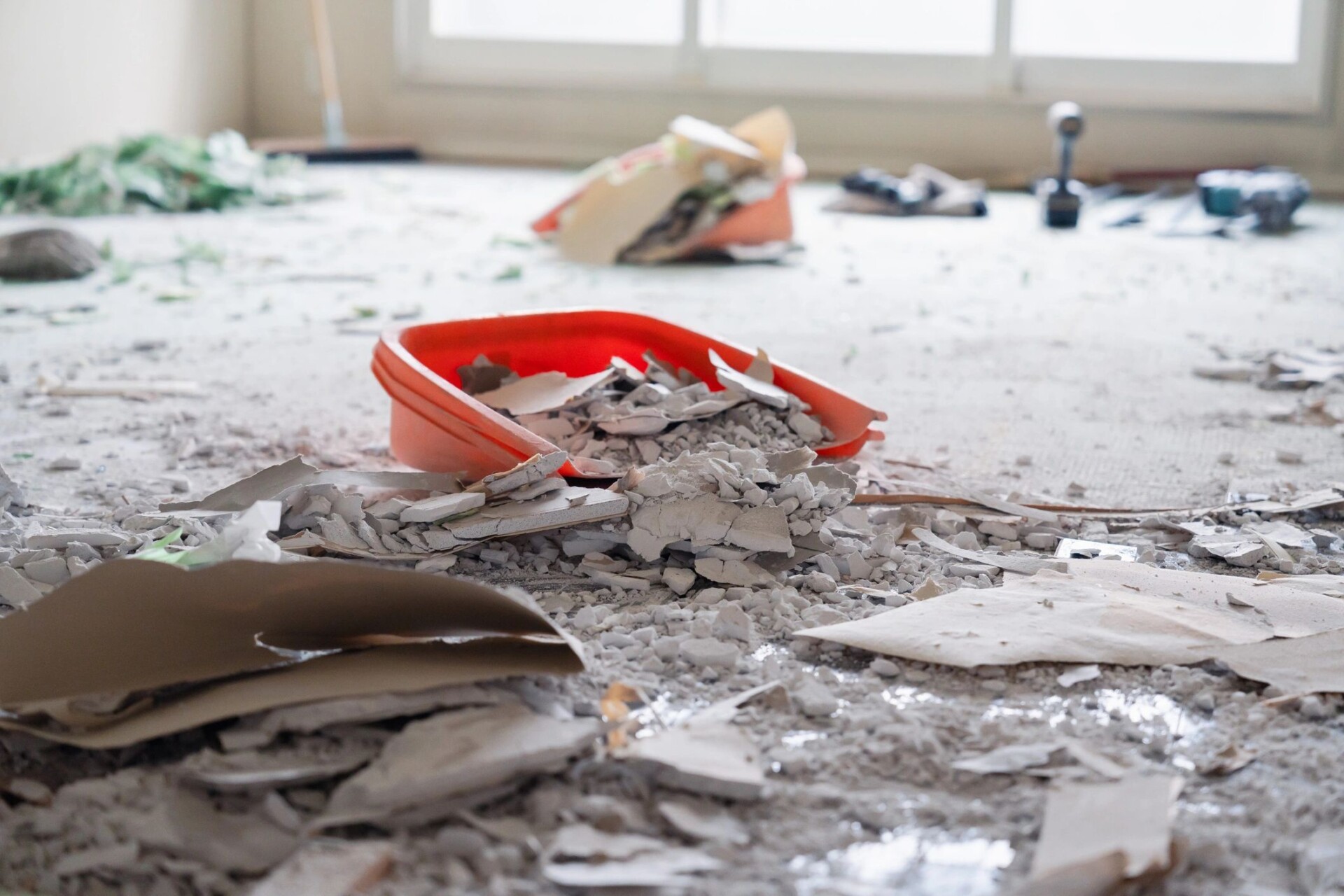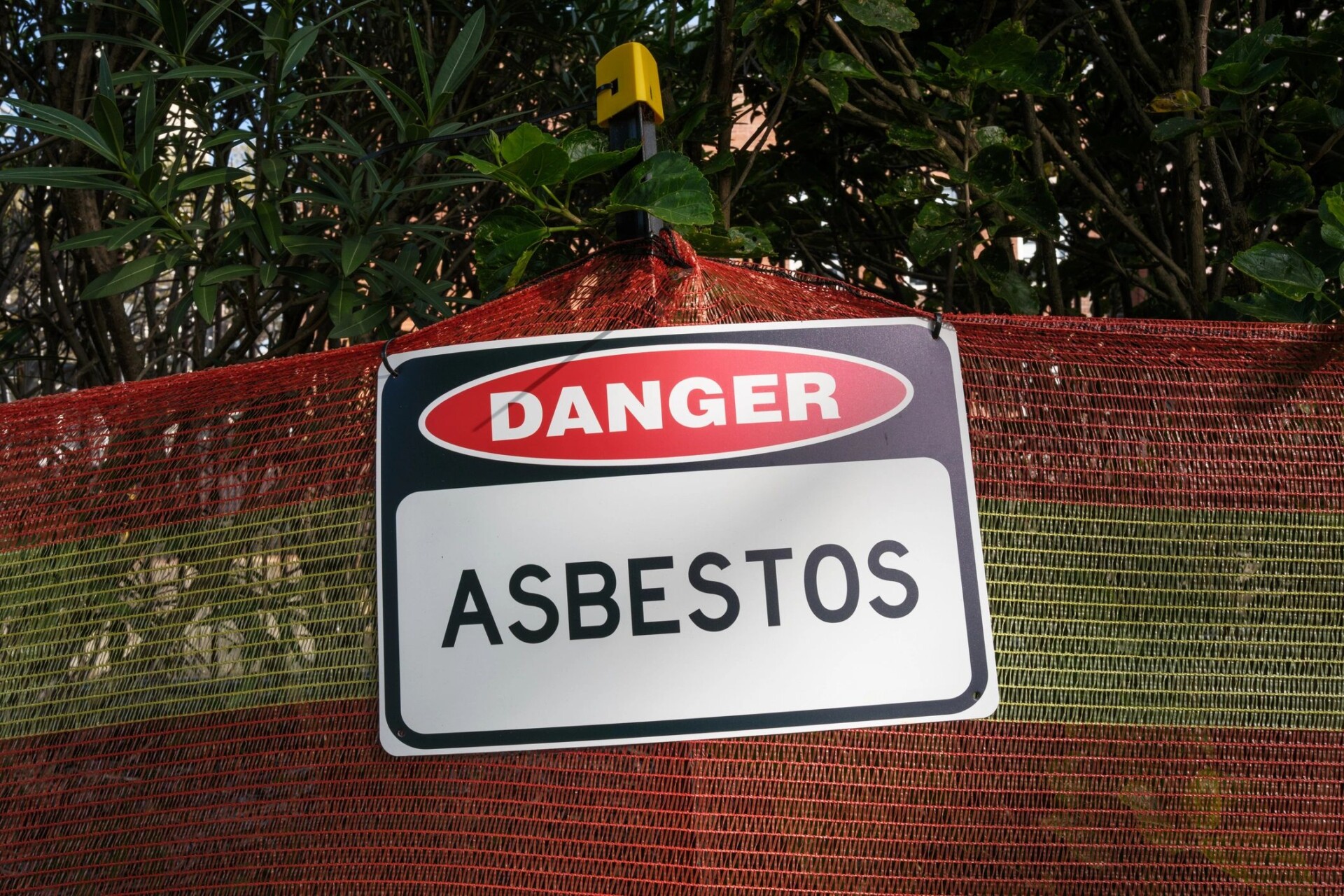


Asbestos removal is a critical process that must be handled with care, professionalism and a full understanding of UK health and safety regulations. Despite being banned in the UK in 1999, asbestos is still present in many older properties, particularly those built or refurbished before the year 2000. It was widely used because of its durability and fire-resistant properties, but it is now known to pose serious health risks when disturbed. For homeowners, landlords and commercial property owners, understanding asbestos removal and when it is required is essential for protecting occupants and remaining compliant with the law.
Asbestos becomes dangerous when materials containing it are damaged, cut, drilled or otherwise disturbed. This releases microscopic fibres into the air which, when inhaled, can lodge in the lungs and lead to long-term health conditions. Diseases linked to asbestos exposure include asbestosis, mesothelioma and asbestos-related lung cancer, often developing decades after exposure. Because these fibres cannot be seen or smelt, asbestos is not something that can be identified safely without proper training and testing.
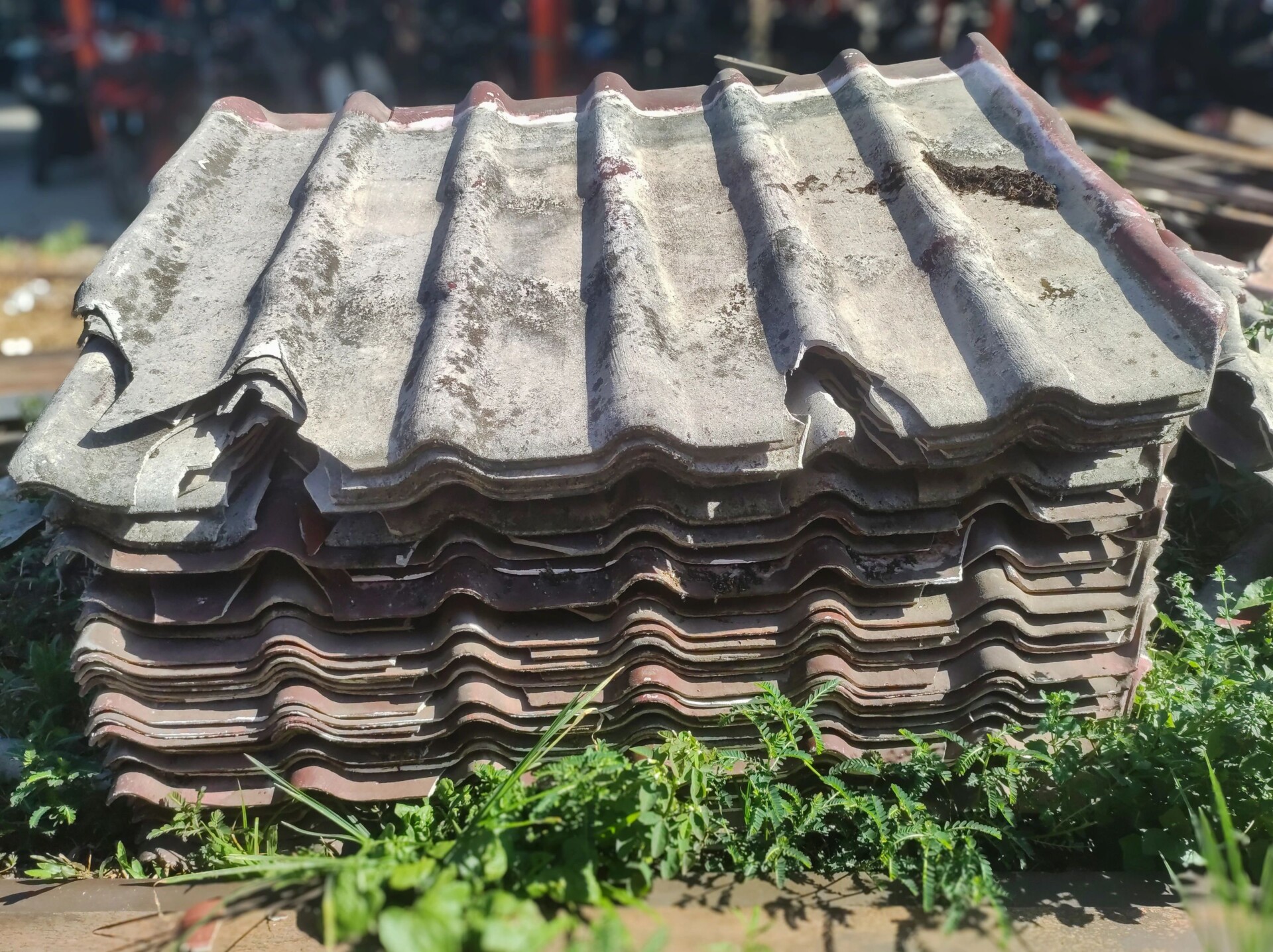
Common locations for asbestos-containing materials include garage roofs, corrugated cement sheets, pipe lagging, boiler insulation, soffits, floor tiles and sprayed coatings. In residential properties it is often found in outbuildings or roofing materials, while in commercial and industrial settings it may be present in plant rooms, ceiling voids and structural fireproofing. The presence of asbestos does not automatically mean it must be removed, but any work that risks disturbing it requires professional assessment.
Before any asbestos removal work takes place, a suitable asbestos survey should be carried out by a competent specialist. This identifies the type, condition and location of asbestos-containing materials. Based on the findings, a decision can be made about whether the material should be left in place, encapsulated or removed entirely. Removal is typically recommended when asbestos is damaged, deteriorating or likely to be disturbed during refurbishment or demolition works.
asbestos removal near me
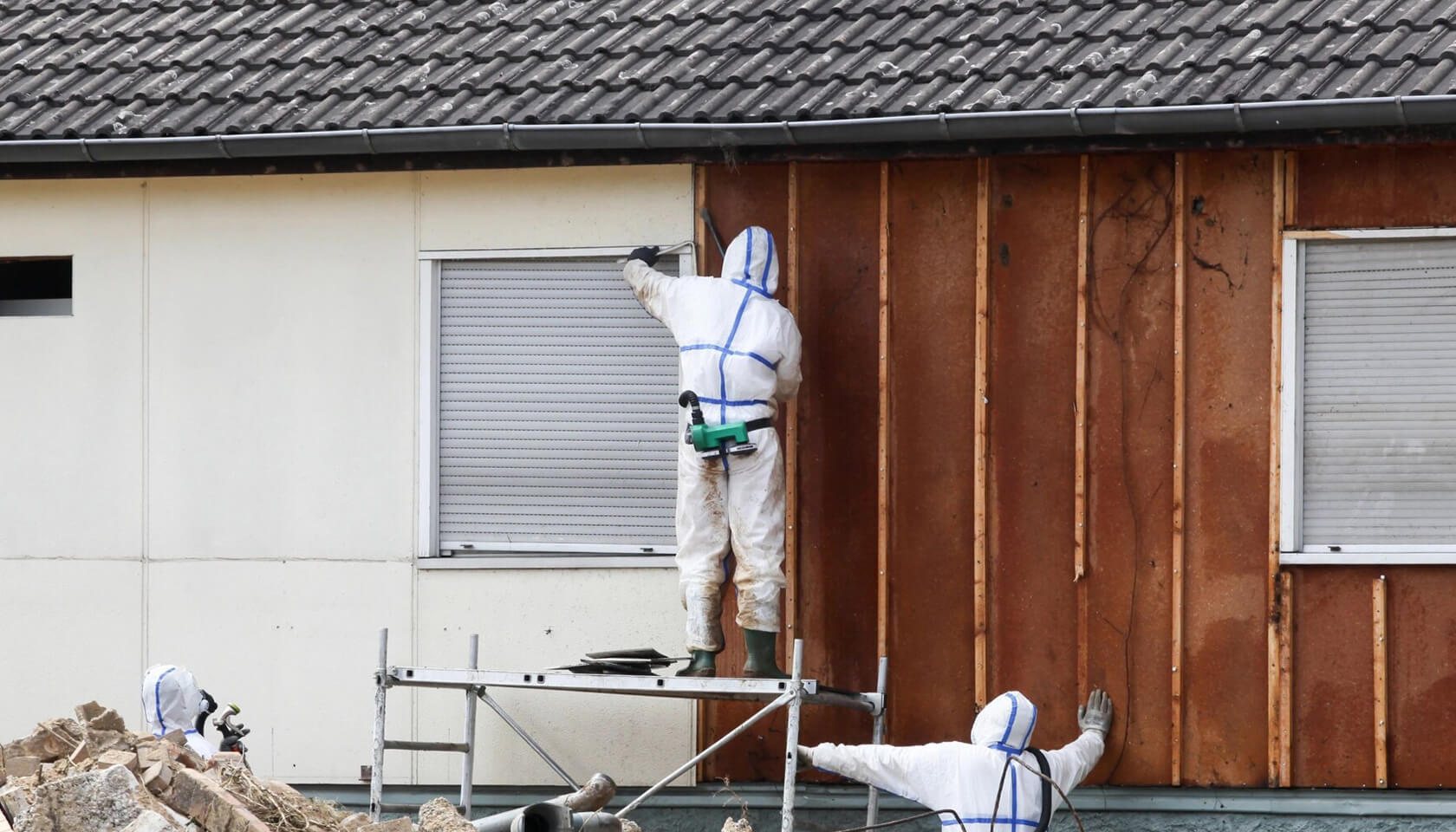
Professional asbestos removal is a tightly controlled operation in the UK. Licensed contractors follow strict procedures set out by the Health and Safety Executive to ensure fibres are not released into the surrounding environment. This includes the use of controlled enclosures, negative pressure units, specialist protective equipment and proper waste handling methods. Once removed, asbestos waste is double-bagged, clearly labelled and transported to licensed disposal facilities in accordance with hazardous waste regulations.
Attempting to remove asbestos without the correct training, equipment and permissions is extremely dangerous and, in many cases, illegal. Even materials considered lower risk, such as asbestos cement, can still release harmful fibres if mishandled. For this reason, asbestos removal should always be carried out by qualified professionals who understand both the risks involved and the legal responsibilities associated with the work.
Choosing a reputable asbestos removal company provides peace of mind that the job will be completed safely and efficiently. Experienced contractors not only remove the material but also ensure the site is left clean, compliant and safe for reoccupation. For property owners planning renovations, demolition or maintenance work, addressing asbestos correctly at an early stage can prevent costly delays and safeguard everyone involved.
Asbestos removal is not just about regulatory compliance; it is about protecting health and ensuring buildings can be used safely well into the future. If you suspect asbestos is present in your property, seeking professional advice is the first and most important step.